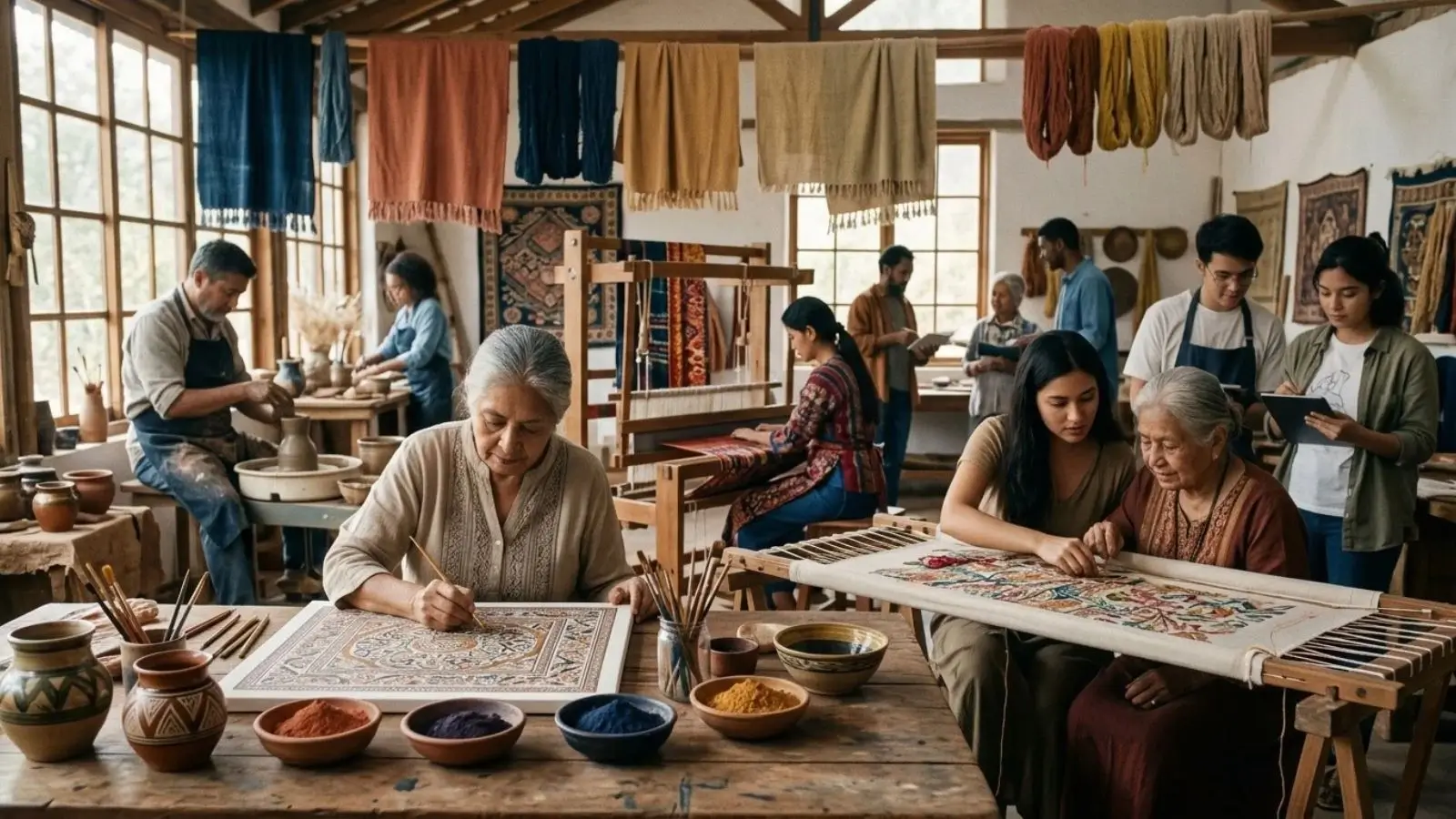
Art is more than something beautiful to look at. It tells stories about who we are, where we come from, and what matters to us.
From traditional paintings and handmade crafts to music, dance, and modern photography, art helps communities express their history, beliefs, and shared experiences.
Art and cultural identity are closely connected because creative expression allows people to preserve their traditions while sharing them with future generations.
It also helps us understand cultures different from our own. If displayed in a museum or created in a small community workshop, art can bring people together and make cultural heritage feel alive.
1. Art Tells Our Story
Every culture has stories worth preserving, and art offers a powerful way to tell them. Paintings may capture historical events, sculptures may represent important figures, and traditional patterns may reflect the values of a community.
These creative expressions help people connect with their roots. A handmade object passed down through generations, for example, can carry memories that words alone may not fully explain.
Art also gives individuals a way to express their personal experiences within a larger cultural story. It reminds us that culture is not just something we inherit; it is something we continue to shape through our lives and choices.
2. Traditions Live Through Art
Traditional art keeps cultural practices alive. Folk music, regional dances, embroidery, pottery, and weaving all carry knowledge that communities have developed over many generations.
When artists continue these practices, they preserve more than a technique. They also maintain the stories, meanings, and values connected to it.
A traditional textile pattern, for instance, may reflect a region’s history or represent symbols that hold special meaning for local people.
However, traditions do not have to remain unchanged to survive. Artists can adapt traditional methods to modern tastes while respecting their origins. This balance allows cultural heritage to remain relevant without losing its significance.
3. Art Connects Generations
Art creates a bridge between older and younger generations. Grandparents may teach children traditional songs, parents may pass down craft skills, and local artists may introduce young people to the history behind familiar cultural practices.
These shared experiences make cultural learning personal and memorable. Instead of simply reading about a tradition, younger generations can experience it by making something, listening to a story, or participating in a celebration.
This connection is especially valuable when communities face rapid social change. By encouraging young people to explore their heritage, families and cultural organizations help ensure that meaningful traditions are not forgotten.
4. Culture Shapes Creative Expression
Art reflects the environment in which it develops. Local landscapes, religious and philosophical traditions, historical events, social values, and everyday experiences can all influence how artists create.
For example, the colors used in traditional clothing may reflect local customs, while regional architecture may reveal how people have adapted to their climate and available materials. Music can also express a community’s experiences, celebrations, struggles, and hopes.
Understanding these influences helps us appreciate artwork beyond its appearance. We begin to ask what inspired the artist, what the symbols represent, and how the work connects with the community that produced it.
At the same time, culture is diverse. People within the same community may interpret traditions differently, and artists often challenge familiar ideas through their work.
5. Art Brings Cultures Together
Art can help people understand one another across cultural boundaries. A painting, film, song, or dance performance may communicate emotions and experiences that audiences can relate to, even when they do not share the artist’s language or background.
Cultural festivals, exhibitions, and community performances give people opportunities to explore unfamiliar traditions in an engaging way.
These experiences can encourage curiosity, reduce misunderstandings, and create meaningful conversations.
Still, appreciating another culture requires respect. It is important to understand the context behind cultural symbols and recognize the people who created them.
Genuine cultural exchange is not about treating traditions as trends; it is about learning from them while respecting their meaning.
6. Identity Finds a Voice
Art gives people a way to express who they are, especially when their experiences are overlooked or misunderstood.
Through photography, writing, painting, music, and other creative forms, artists can share stories about belonging, migration, language, community, and personal identity.
This expression can be particularly meaningful for people living between cultures or adjusting to a new country.
Art allows them to explore different parts of their identity without feeling that they must choose only one.
It can also challenge stereotypes by showing the complexity of real lives. Rather than presenting a culture through a single image or assumption, artists can reveal its variety, changing perspectives, and individual experiences.
In this way, art and cultural identity influence one another. Culture inspires creative work, while artists help communities reconsider how they see themselves and how others understand them.
7. Modern Art Keeps Culture Moving
Culture is not frozen in the past, and art changes with it. Contemporary artists often combine traditional techniques with digital tools, modern materials, and new forms of storytelling.
Social media and online galleries also make it easier for artists to share their work with international audiences.
A craft once known mainly within a local community may now reach people across the world, creating new opportunities for recognition and cultural exchange.
However, wider exposure can bring challenges. Traditional designs may be copied without permission, cultural meanings may be misunderstood, and commercial trends may overshadow the people who have preserved a practice for generations.
Supporting original artists, learning about the background of their work, and giving proper credit can help cultural expression grow responsibly. Modern creativity is most meaningful when innovation and respect work together.
8. Protect the Art That Matters
Preserving cultural art requires more than keeping old objects in museums. It also means supporting the people, skills, and communities that keep artistic traditions alive.
Local workshops, cultural centers, schools, museums, and community festivals can all play an important role.
They provide spaces where people can learn traditional crafts, document local stories, and share knowledge with younger generations.
Individuals can contribute in simple ways, too. Buying directly from local artists, attending cultural events, learning about regional art forms, and sharing accurate information can help creative communities receive recognition and support.
Digital documentation can also preserve photographs, recordings, and techniques that might otherwise be lost.
However, preservation should involve the communities concerned, particularly when cultural knowledge is private, sacred, or intended for specific groups.
Protecting cultural art is ultimately about respecting the people behind it and ensuring that future generations have the opportunity to understand and continue their heritage.
9. FAQs
How does art influence cultural identity?
Art helps people express their traditions, beliefs, history, and shared experiences. It can strengthen a sense of belonging while allowing individuals to explore their personal identities.
Why is traditional art important?
Traditional art preserves cultural knowledge, creative techniques, stories, and customs. It connects generations and helps communities maintain a relationship with their heritage.
Can modern art represent cultural identity?
Yes. Modern art can explore cultural identity through photography, digital design, film, music, and mixed media. Artists may combine traditional influences with contemporary ideas to reflect how culture changes over time.
How can art help people understand other cultures?
Art offers insight into different experiences, values, histories, and ways of life. When people learn about the context behind an artwork, they can develop greater cultural awareness and appreciation.
How can we support cultural art?
You can support cultural art by purchasing work from local artists, visiting exhibitions, learning traditional crafts, attending community events, and respecting the cultural meanings behind artistic practices.
Conclusion:
Art helps us understand where we come from while giving us the freedom to imagine where we are going.
It preserves traditions, connects generations, and gives individuals and communities a voice. At the same time, it creates opportunities to learn from cultures beyond our own.
The relationship between art and cultural identity remains meaningful because culture continues to evolve.
By supporting artists, respecting cultural heritage, and making room for new creative voices, we can help traditions remain alive and relevant for future generations.
I’m Noah Richardson, a writer and fact finder who enjoys investigating topics from different angles. I’m especially interested in the details people often overlook and the surprising information hidden inside familiar subjects. My work at Factopea is about making those discoveries accessible through straightforward, engaging writing. I take pride in researching each topic carefully and presenting the information in a way that respects the reader’s time and curiosity.
Books: The Fact Finder’s Handbook and More Than Meets the Eye