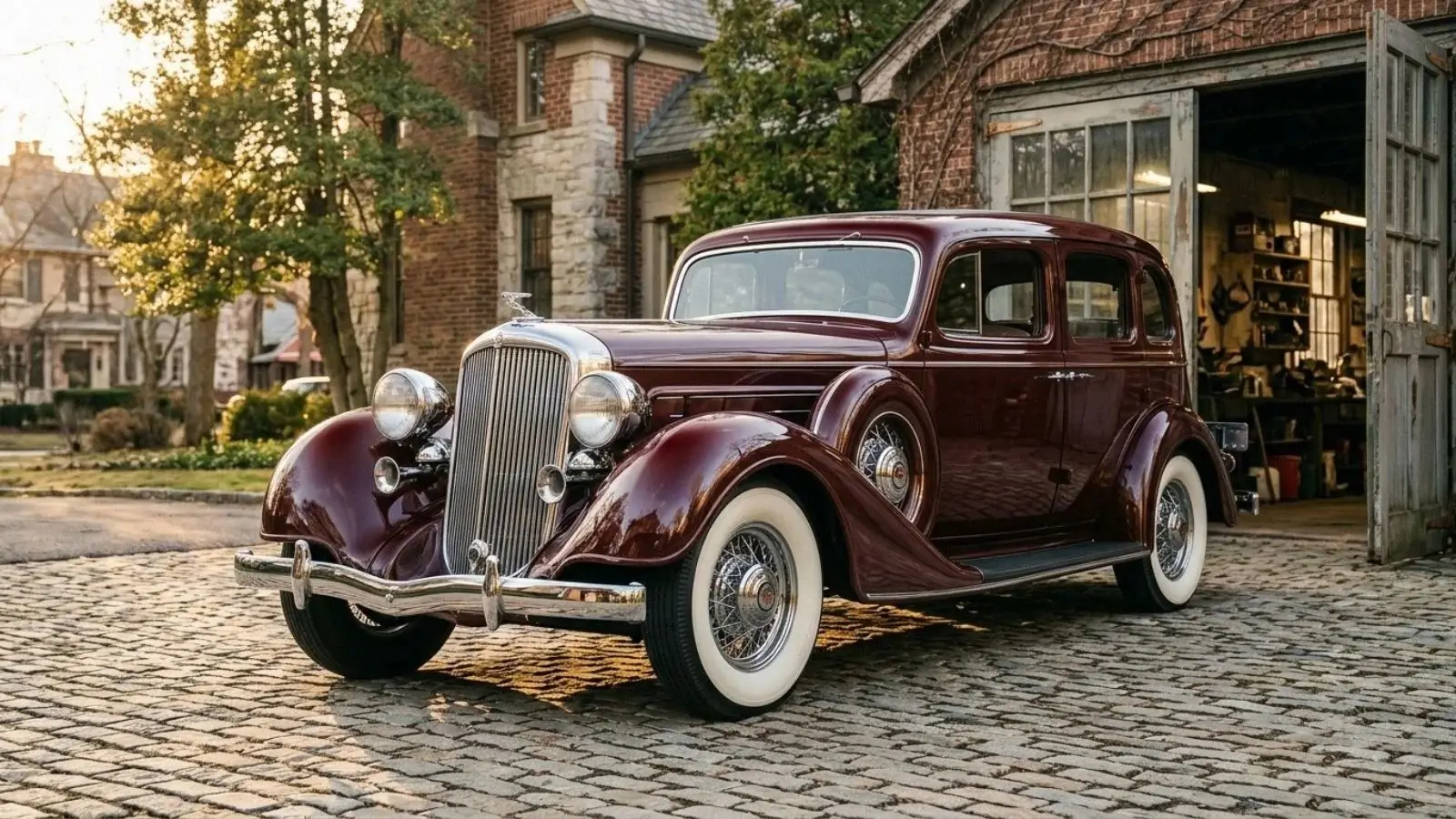
Vintage cars are more than old vehicles. They represent different eras of design, engineering, culture, and human creativity.
From elegant pre-war automobiles to the stylish classics of the 1960s and 1970s, these vehicles attract people who appreciate their history, craftsmanship, and timeless appeal.
For many enthusiasts, owning a vintage car is a way to preserve a small but meaningful part of the past.
Vintage car collecting has grown into a popular hobby among automobile enthusiasts, history lovers, and collectors around the world.
Some people are drawn to rare models, while others enjoy restoring neglected vehicles and returning them to their original condition. There are also collectors who simply love driving classic cars and sharing their stories with others.
However, building a collection requires more than enthusiasm. Buyers need to understand vehicle condition, originality, maintenance costs, documentation, and market demand.
If you dream of owning one beautiful classic or building a collection over several decades, learning the basics can help you make informed decisions and enjoy the experience with greater confidence.
1. Discover the Magic of Vintage Cars
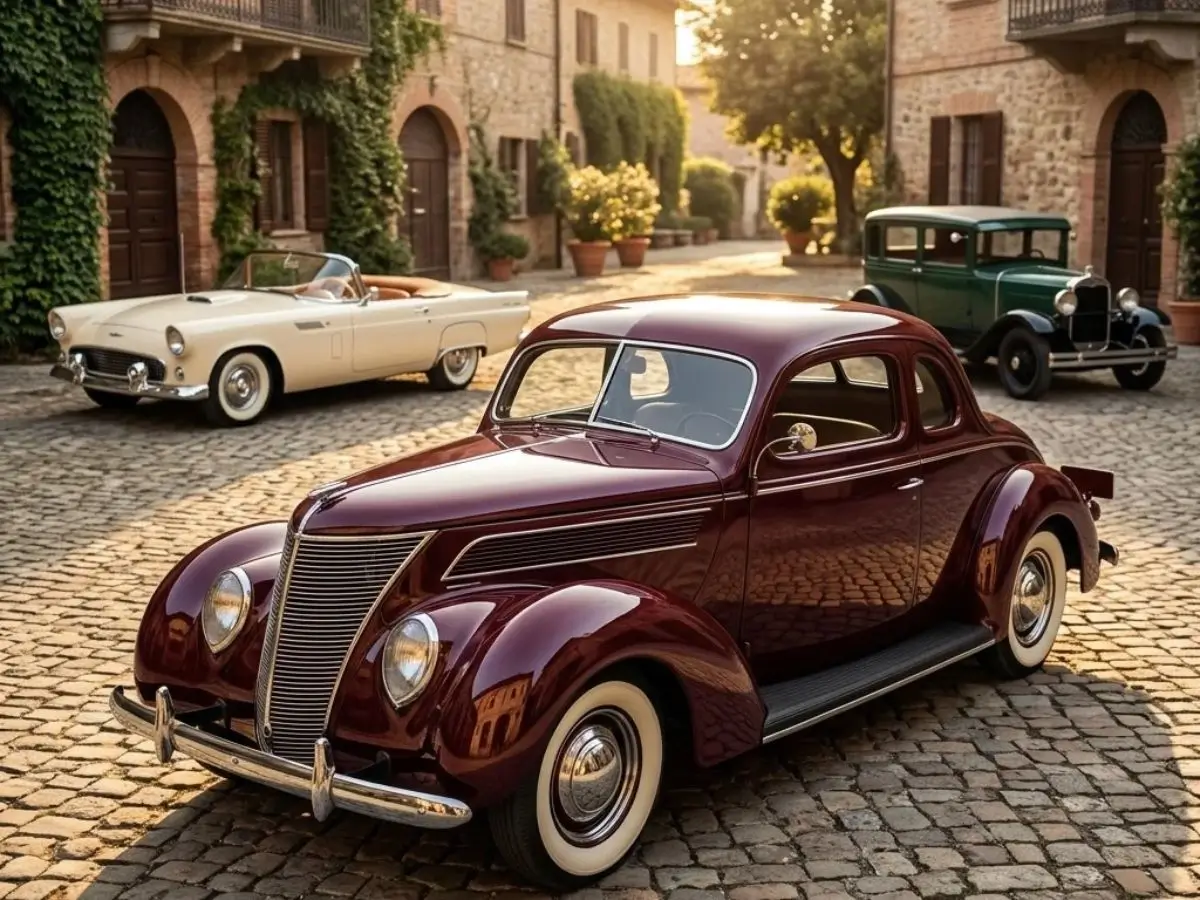
Vintage cars hold a special place in automotive history because they reflect the ideas, technologies, and design preferences of their time.
Their shapes, materials, interiors, and mechanical systems often differ significantly from those of modern vehicles. For collectors, these differences are part of the attraction.
Some enthusiasts prefer cars with rounded bodies, large headlights, and handcrafted details. Others admire early sports cars, classic American muscle cars, British roadsters, or elegant European touring vehicles. Every category offers a different perspective on how automobiles developed over the years.
The meaning of vintage car can also vary. In strict historical usage, the term sometimes refers to vehicles produced during a particular period, such as the vintage era commonly associated with the 1919–1930 period.
In everyday conversation, however, people frequently use it more broadly to describe older collectible automobiles.
Terms such as classic, antique, and vintage may have different definitions depending on local laws, clubs, insurers, and collector organizations.
Understanding these distinctions is useful when researching a vehicle. A car described as vintage by a seller may fall into a different category under registration or insurance rules.
Ultimately, the appeal is personal. One collector may value historical importance, another may focus on engineering, and someone else may simply love the sound and feel of an older engine. Discovering what excites you is the first step toward building a collection that feels meaningful.
2. Choose a Collection That Fits You
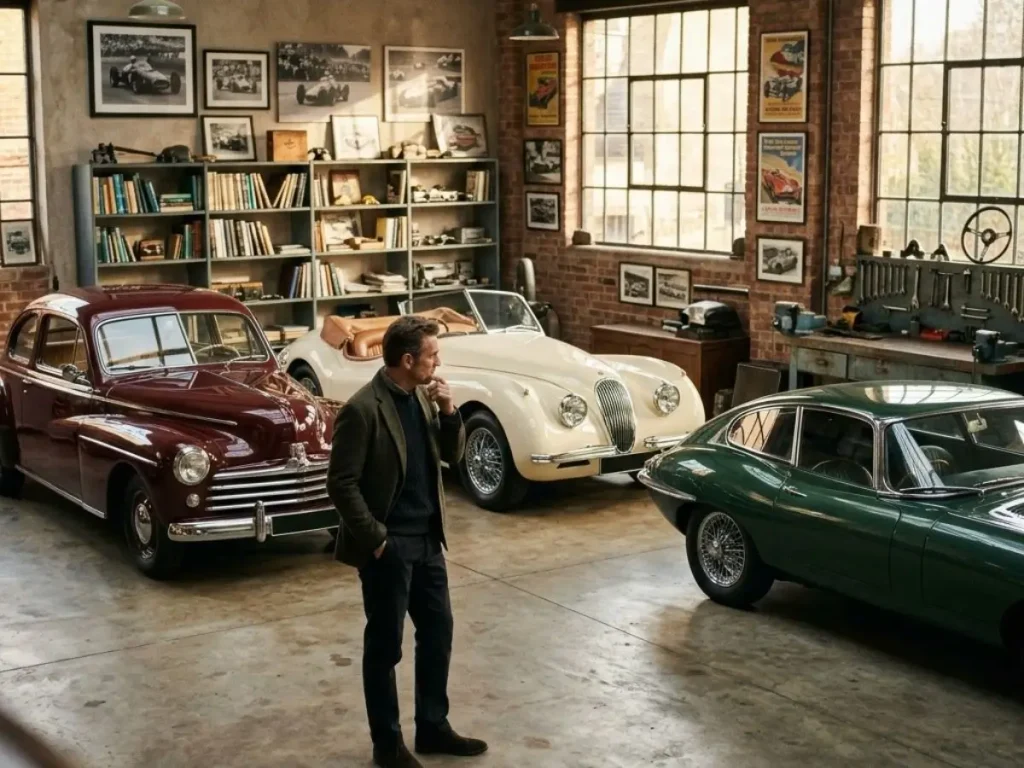
Starting a collection becomes easier when you have a clear idea of what you want to collect. Without a defined interest, it is easy to become distracted by every attractive vehicle you encounter.
Some collectors focus on a particular manufacturer, such as Ford, Porsche, Mercedes Benz, or Jaguar. Others specialize in a specific decade, body style, country of origin, or type of vehicle.
A collection built around British roadsters, for example, may offer a more focused experience than buying unrelated cars simply because they are available.
You can also choose a theme based on automotive history. Perhaps you are interested in vehicles that introduced important engineering features, cars associated with famous racing events, or models that became cultural icons.
This approach gives your collection a story and makes researching each purchase more rewarding.
Before buying your first car, ask yourself a few questions:
- Do you want to drive your cars regularly or display them?
- Are you interested in restoration projects or vehicles ready to use?
- Would you rather own one exceptional automobile or several affordable models?
- Do you have access to mechanics who understand older vehicles?
- How much time can you realistically dedicate to maintenance?
Your answers will help you avoid purchases that look appealing but do not match your lifestyle. A well chosen first car can provide years of enjoyment and teach you valuable lessons before you expand your collection.
3. Set a Realistic Budget Before Buying
One of the biggest mistakes new collectors make is focusing only on the purchase price. The cost of owning a vintage vehicle includes much more than the amount paid to the seller.
Older cars may require specialist servicing, replacement parts, electrical repairs, paintwork, upholstery restoration, or engine rebuilding.
Even a vehicle described as being in excellent condition can develop problems after regular use. Import duties, registration requirements, taxes, and transport costs may also increase the total expense.
Storage is another important consideration. A secure, dry, well ventilated garage can help protect a vehicle from moisture, corrosion, and unnecessary deterioration.
If you do not have suitable space at home, professional storage may become a recurring expense.
Insurance costs vary according to factors such as vehicle value, usage, location, driver history, and policy restrictions.
Some specialist policies limit annual mileage or require the owner to have another everyday vehicle. Always review these conditions carefully before committing.
A practical budget should include:
- The purchase price and any applicable fees.
- An inspection by an independent mechanic.
- Immediate repairs and routine servicing.
- Insurance, registration, and taxes.
- Secure storage and transportation.
- A reserve for unexpected maintenance.
Avoid spending your entire budget on the car itself. Keeping money available for repairs can make ownership less stressful and reduce the temptation to postpone important maintenance.
The best purchase is not necessarily the cheapest or most expensive one; it is the vehicle you can responsibly afford to maintain.
4. Find a Classic Car Worth Owning
Finding the right vehicle requires patience and research. Vintage cars are advertised through specialist dealers, auctions, collector clubs, online marketplaces, private sellers, and automotive events. Each source offers different opportunities, but none should replace careful verification.
Begin by researching the exact make, model, production year, engine type, and available specifications.
Learn which features are original, which options were offered, and which components are commonly replaced. This knowledge makes it easier to recognize inconsistencies in a seller’s description.
Conditions should be evaluated alongside rarity. A rare model with severe corrosion or extensive mechanical problems may require far more money to restore than a more common car in better shape.
Replacement parts for some vehicles are readily available, while others require specialist suppliers or custom fabrication.
Documentation is equally important. Ask for registration records, ownership documents, service receipts, restoration photographs, and any available factory or production information.
Verify the vehicle identification number or chassis number against the relevant records and inspect the car for signs of undisclosed accident damage or structural repairs.
Never rely entirely on photographs. Images may hide corrosion, worn mechanical components, poor repairs, or damaged interiors.
Whenever possible, arrange an independent pre purchase inspection with a mechanic experienced in the particular vehicle.
A trustworthy seller should be willing to answer reasonable questions and allow appropriate inspections.
If important details cannot be verified, consider walking away. There will always be another car, but recovering money from a disappointing purchase can be difficult.
5. Restore History Without Losing Originality
Restoration can be one of the most satisfying parts of vintage car collecting. Bringing an old vehicle back to life allows owners to learn about its construction, preserve its historical character, and enjoy the results of careful work.
However, restoration is rarely as simple as repainting the body and repairing the engine. A thorough project may involve rust removal, structural repairs, suspension work, electrical troubleshooting, interior refurbishment, and sourcing hard to find components. Some projects also require specialized tools and skills.
Before beginning, decide what level of restoration is appropriate. A car intended for regular driving may benefit from reliable mechanical repairs while retaining a few signs of age.
A historically significant vehicle may justify a more detailed restoration aimed at preserving or recreating its original specifications.
Originality deserves particular attention. Factory paint, matching engine or chassis details where applicable, original interior materials, and period correct components can matter to collectors.
However, the importance of these features varies by model and collecting community. A well documented restoration may still be valuable even when some original parts have been replaced.
Keep photographs, invoices, receipts, and notes throughout the process. Record the work completed, the parts installed, and the professionals involved.
This documentation helps future owners understand the car’s history and may support its credibility when you eventually decide to sell.
It is also wise to establish a realistic timeline. Parts can take months to locate, and hidden problems may emerge once a vehicle is dismantled.
A carefully planned restoration is usually more rewarding than rushing to finish a project before its true needs are understood.
6. Protect Your Cars for the Long Term
Proper maintenance is essential to keeping a vintage vehicle safe, functional, and enjoyable. Older automobiles may lack the electronic monitoring systems, modern corrosion protection, and safety features found in contemporary cars. They therefore require attention suited to their age and design.
Follow a maintenance schedule appropriate for the specific model. This may include checking engine oil, coolant, brake fluid, transmission fluid, tires, belts, hoses, and battery condition.
Brakes, steering, suspension, and fuel systems deserve particular attention because deterioration can affect safety.
Storage conditions also make a difference. Excessive humidity encourages corrosion, while prolonged exposure to direct sunlight can damage paint, rubber seals, and interior materials.
Use a suitable cover only when the environment and material allow it, and avoid trapping moisture beneath it.
If a car will remain unused for an extended period, consult a knowledgeable mechanic about fuel stability, battery care, tire loading, fluid checks, and safe recommissioning.
Simply starting an engine occasionally does not replace proper maintenance, and running a vehicle in an enclosed space can create a serious carbon monoxide hazard.
Keep a separate record for each vehicle. Include service dates, mileage, repairs, parts, and upcoming tasks. This simple habit helps you track recurring problems and avoid overlooking important work.
Finally, remember that preserving a car does not always mean keeping it untouched. Appropriate servicing and safety related repairs can protect the vehicle and make it more usable, provided the work is documented and carried out with consideration for its historical character.
7. Understand Vintage Car Values
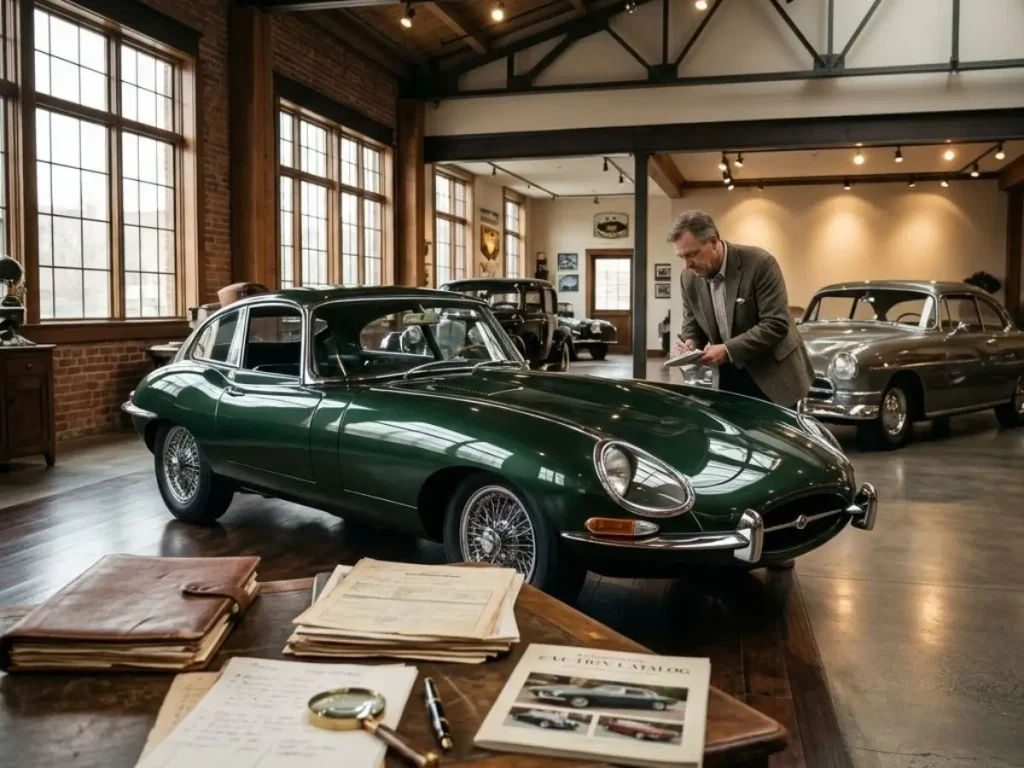
The value of a collectible car depends on several factors, and age alone does not determine its price.
Rarity, historical significance, condition, originality, provenance, desirability, and documented maintenance can all influence what buyers are willing to pay.
Provenance refers to the documented history of a vehicle, including previous ownership and, where relevant, its connection to notable events or individuals.
Reliable documentation can help establish authenticity, particularly for rare or historically significant cars.
Market demand changes over time. Certain models may attract strong interest because of their design, motorsport history, cultural importance, or limited production.
Others may remain affordable because parts are difficult to source or fewer buyers want them. Public auction results can provide useful comparisons, but the final price of one car may not reflect the value of another with different conditions or specifications.
When researching prices, compare vehicles that are genuinely similar. Consider production year, model variant, mechanical condition, restoration quality, originality, and location.
Remember that advertised prices are asking prices, not proof that a vehicle sold for that amount.
It is also important to separate collecting from speculation. A vintage car can increase in value, but appreciation is never guaranteed.
Repairs, storage, insurance, auction fees, and selling costs can reduce any financial gain. Market conditions may change, and a vehicle that is easy to sell in one region may attract fewer buyers elsewhere.
Buy a car because it fits your interests and budget, not because someone promises it will become a valuable investment.
If its market value rises, that may be a welcome benefit, but the enjoyment of ownership should not depend entirely on future resale prices.
8. Join the Community and Learn from Experts
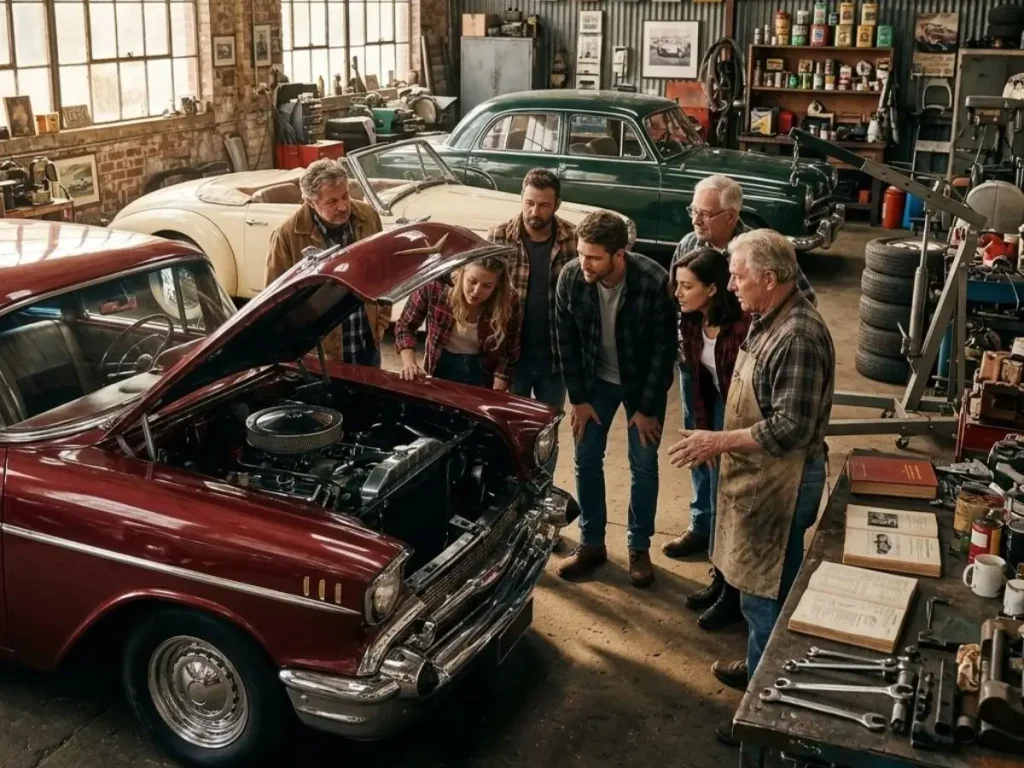
Vintage car collecting becomes even more rewarding when it connects you with other enthusiasts.
Local clubs, automotive museums, restoration workshops, online forums, and classic car exhibitions provide opportunities to learn from people with practical experience.
Experienced collectors can explain common mechanical weaknesses, identify model specific details, and recommend reliable parts suppliers.
They may also share lessons about restoration budgets, storage solutions, and the challenges of owning particular vehicles.
Car shows and historic motoring events allow you to examine vehicles closely and compare different approaches to preservation.
Talking with owners can reveal details that are difficult to learn from photographs alone, including driving characteristics, maintenance routines, and the availability of specialist services.
Online communities are useful for research, but advice should be evaluated carefully. Confirm technical recommendations through trusted manuals, reputable specialists, or multiple knowledgeable sources.
Similarly, verify claims about rarity, originality, and historical significance before paying a premium.
Community involvement also creates opportunities to contribute. You might document a restoration, help organize an exhibition, share maintenance knowledge, or support an automotive heritage organization.
These activities help preserve information that could otherwise disappear as older vehicles and their original owners become less common.
Most importantly, the community reminds collectors that automobiles are not just objects. They are part of a wider history shaped by designers, engineers, workers, drivers, and enthusiasts. Sharing that history can be just as fulfilling as owning the vehicle itself.
9. Build a Collection That Lasts
A successful collection does not need to contain dozens of expensive cars. It needs to reflect the owner’s interests, financial circumstances, available space, and willingness to maintain each vehicle.
Start with one carefully researched purchase and learn from the experience. Understand how the car behaves, which parts wear out, what servicing costs, and how much time ownership requires. These lessons can guide your next decision far better than buying several vehicles at once.
As your collection grows, keep a clear inventory of ownership documents, insurance policies, service records, photographs, and restoration expenses.
Store important paperwork securely and maintain digital copies where appropriate. For rare or high value cars, professional advice about valuation, insurance, and estate planning may be useful.
Consider If each additional purchase contributes something meaningful to the collection. It might represent a new period in automotive history, complement an existing model, or introduce a design or engineering feature you admire. Avoid acquiring vehicles simply because a deal appears attractive.
Think about the future, too. Cars may eventually need to be sold, transferred to family members, or donated to a museum or heritage organization.
Accurate records and a clear account of each vehicle’s history can make those transitions easier.
A lasting collection is built through informed choices, responsible ownership, and genuine enthusiasm.
By balancing passion with practical planning, collectors can preserve automotive heritage while enjoying the distinctive experience of owning these remarkable machines.
Conclusion
Vintage car collecting brings together history, design, engineering, and personal passion. Every vehicle tells a story about the period in which it was built.
The people who created it, and the changes that shaped the automotive industry. For enthusiasts, discovering and preserving those stories can be as rewarding as driving the cars themselves.
Building a collection, however, requires careful research and realistic expectations. Buyers should examine vehicle condition, verify documentation, plan for maintenance, and understand the costs of restoration and storage.
They should also recognize that market values fluctuate and that financial returns are never guaranteed.
If you begin with an affordable classic, a carefully restored roadster, or a historically significant automobile, the most important step is choosing a vehicle that genuinely interests you.
With patience, knowledge, and responsible care, vintage car collecting can become a lasting hobby that connects generations and helps keep automotive history alive.

I’m Grace Anderson, a lifelong learner and writer with a habit of asking, “Why?” I love discovering the stories, facts, meanings, and explanations hiding behind ordinary questions. At Factopea, I turn my research into clear articles that readers can enjoy without needing complicated terminology. I believe learning does not always have to feel like studying—it can simply begin with one interesting question.
Books: Curiosity Has an Answer and Things You Never Noticed