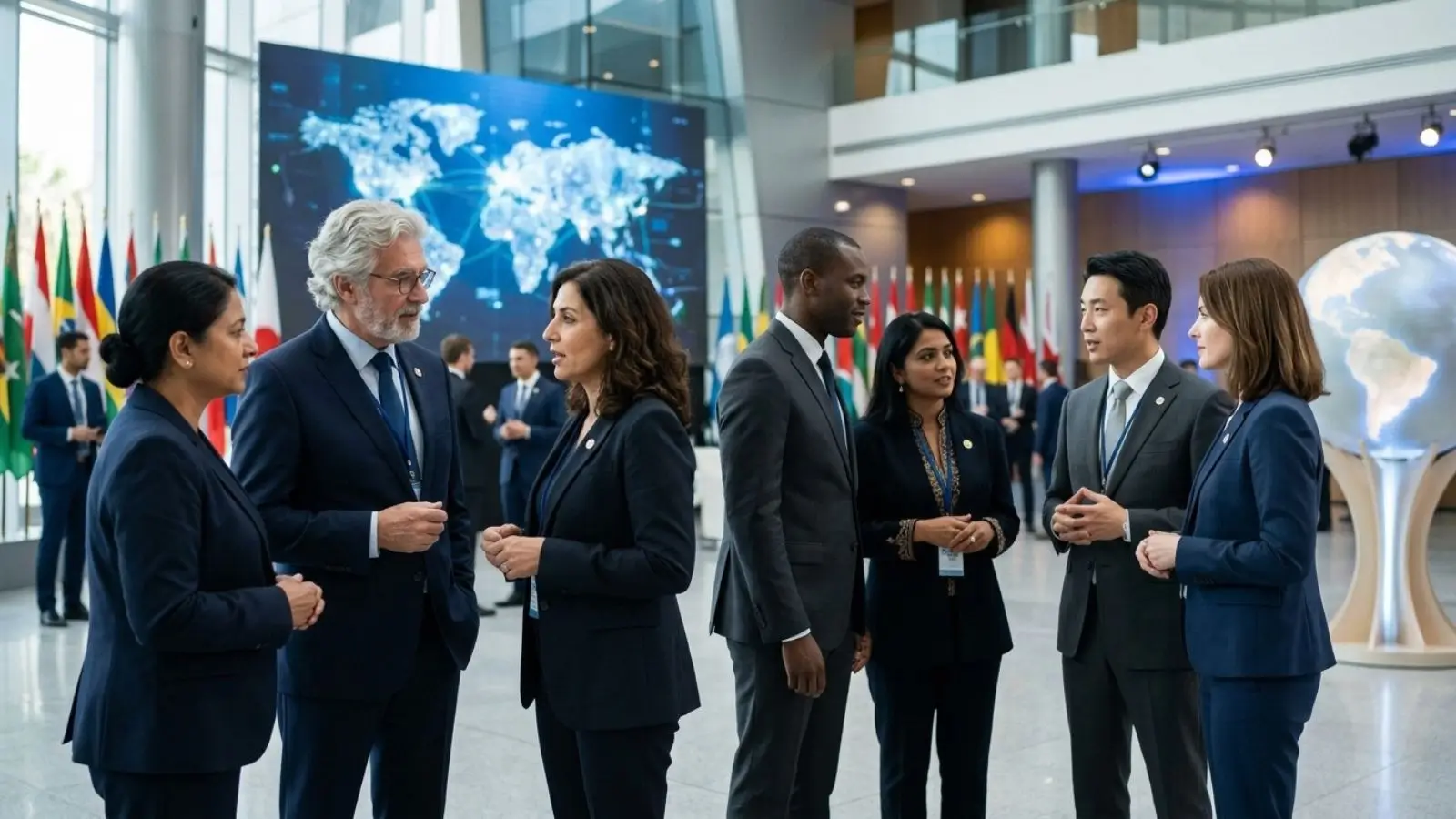
Global politics is shaped by decisions that influence economies, international security, trade, technology, and the future of millions of people.
From negotiating international agreements to responding to conflicts and economic challenges, political leaders play a major role in determining how countries interact with one another.
The Influential Leaders Shaping Global Politics are not defined by their titles alone. Their decisions, diplomatic relationships, economic policies, and responses to global challenges can affect countries far beyond their own borders.
Understanding their roles helps readers make sense of major international developments and the policies shaping the modern world.
This guide explores ten prominent political leaders and examines their influence on international relations, policymaking, and global cooperation. The selection is an informative overview, not a definitive ranking of political power or leadership quality.
Quick Facts About Global Political Leaders
| Feature | Details |
| Main topic | Influential Leaders Shaping Global Politics |
| Key areas | Diplomacy, trade, security, economics, and international policy |
| Main institutions | National governments and international organizations |
| Major challenges | Armed conflicts, climate change, economic uncertainty, and technology |
| Global impact | International agreements, markets, security, and cooperation |
| Purpose | Understand how political decisions affect the world |
1. Donald Trump: America’s Global Influence
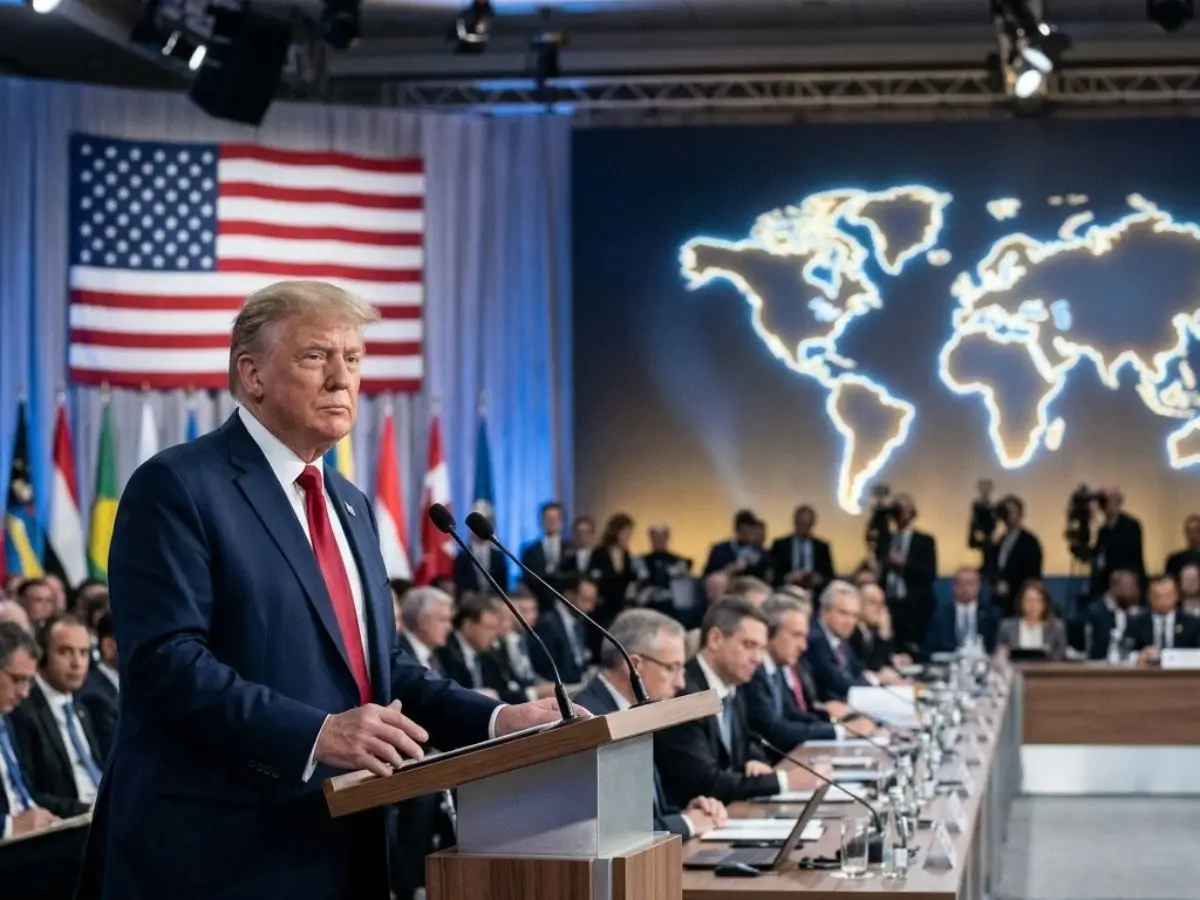
Donald Trump, President of the United States, is an important figure in global politics because American decisions affect international trade, security partnerships, financial markets, and diplomacy.
The United States maintains extensive relationships with countries across Europe, Asia, the Middle East, and the Americas.
His administration’s approaches to tariffs, immigration, defense spending, and international negotiations can influence how other governments develop their own policies.
Changes in American trade measures, for example, can affect supply chains, import costs, and business decisions in multiple countries.
Trump’s role also illustrates how the relationship between domestic priorities and foreign policy can reshape international cooperation. Other governments must assess American decisions while considering their own economic interests and security commitments.
2. Xi Jinping: China’s Expanding Global Role
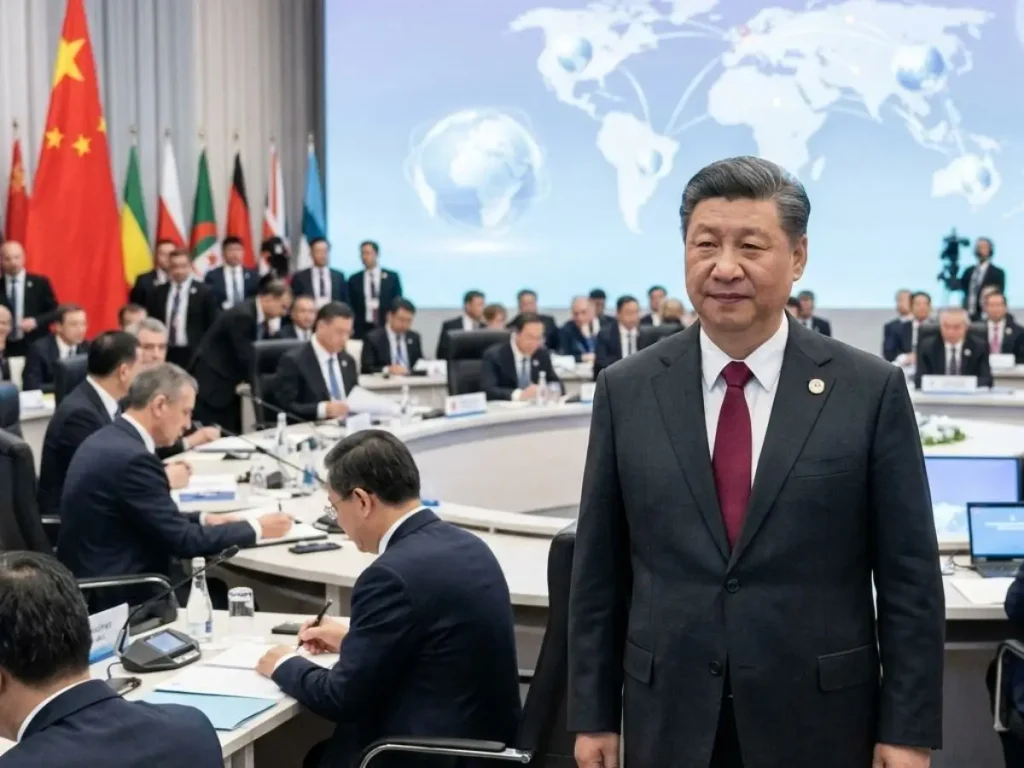
Xi Jinping, President of China, is a central figure in international affairs because China is a major participant in global manufacturing, trade, infrastructure development, and technology.
Its economic decisions can influence businesses, commodity markets, and supply chains worldwide.
China’s international engagement includes trade partnerships, infrastructure investment, diplomatic initiatives, and participation in multilateral forums.
Its relationships with the United States and neighboring countries are particularly important to discussions about regional security and economic competition.
Under Xi’s leadership, China’s policy direction also affects debates about technological development, energy security, and global governance.
Other countries must balance opportunities for economic cooperation with concerns about strategic competition and national interests.
3. Narendra Modi: India’s Growing International Role
Narendra Modi, Prime Minister of India, leads one of the world’s most populous countries and a significant economy. India’s role in technology services, manufacturing, regional security, and international trade gives its government an important place in global policymaking.
India also participates in international forums where countries discuss economic development, energy, climate policy, and security.
Its relationships with major powers allow it to pursue partnerships across different regions while maintaining its own strategic priorities.
Domestic policies on infrastructure, digital services, investment, and industrial development can influence India’s position in international markets.
As global supply chains evolve, India’s economic decisions remain relevant to businesses and governments seeking new trade and production opportunities.
4. Ursula von der Leyen: Shaping European Policy
Ursula von der Leyen, President of the European Commission, helps shape the European Union’s policy agenda.
The EU’s influence extends across trade, environmental standards, competition rules, digital regulation, and international partnerships.
Because the European single market connects many economies, its regulations can affect companies operating well beyond Europe.
Decisions on emissions, data protection, product standards, and industrial policy may influence how international businesses design and sell their products.
Von der Leyen also represents the Commission in major international discussions. Her role highlights how policymaking within a regional union can influence global standards, economic cooperation, and responses to shared challenges.
5. Vladimir Putin: Russia and International Security
Vladimir Putin, President of Russia, remains a significant figure in international security and diplomacy. Russia’s military capabilities, energy resources, and position in international institutions give its decisions consequences for neighboring countries and wider geopolitical relationships.
The war against Ukraine has reshaped European security discussions, defense planning, sanctions policies, and diplomatic negotiations.
Governments have had to consider the conflict’s effects on regional stability, energy markets, humanitarian needs, and international law.
Russia’s relationships with other major powers also influence debates about security and global cooperation.
Understanding Putin’s role requires examining Russia’s official policies and actions alongside the responses of Ukraine and other affected countries.
6. Volodymyr Zelenskyy: Ukraine’s Fight for Sovereignty
Volodymyr Zelenskyy, President of Ukraine, has become a prominent international figure through his country’s response to Russia’s full scale invasion.
His government has focused on defending Ukraine’s sovereignty, obtaining international assistance, and pursuing diplomatic support.
Ukraine’s situation has influenced defense budgets, sanctions, humanitarian programs, and security discussions across Europe and beyond.
International support for Ukraine has also raised questions about military assistance, reconstruction, refugee protection, and the long term foundations of peace.
Zelenskyy’s diplomatic engagement illustrates how a leader from a country facing a major security crisis can shape international discussions.
The conflict’s outcome and future settlement have implications for regional stability and the principles governing relations between states.
7. Emmanuel Macron: France’s Diplomatic Reach
Emmanuel Macron, President of France, represents a major European power with an established diplomatic network and an important role in European security and international affairs.
France participates in discussions involving European integration, defense cooperation, climate action, trade, and international security.
As a member of the European Union and the G7, it can contribute to collective policy decisions that extend beyond its national borders.
Macron’s diplomatic initiatives also reflect the challenges facing countries that seek to protect national interests while supporting broader international cooperation.
France’s position in European and global institutions gives its government opportunities to influence negotiations and policy priorities.
8. Mark Carney: Canada’s Economic and Diplomatic Agenda
Mark Carney, Prime Minister of Canada, leads a country with substantial natural resources, an advanced economy, and close economic ties with the United States and other major trading partners.
Canada’s policy decisions are relevant to energy, critical minerals, international trade, investment, and economic security. Its participation in the G7 and other international forums gives its government opportunities to work with partners on shared economic and geopolitical challenges.
Carney’s background in economics and central banking also brings financial policy experience to public discussion.
Canada’s approach to trade diversification, industrial investment, and international partnerships can influence how it responds to changing global economic conditions.
9. Javier Milei: Argentina’s Economic Policy Shift
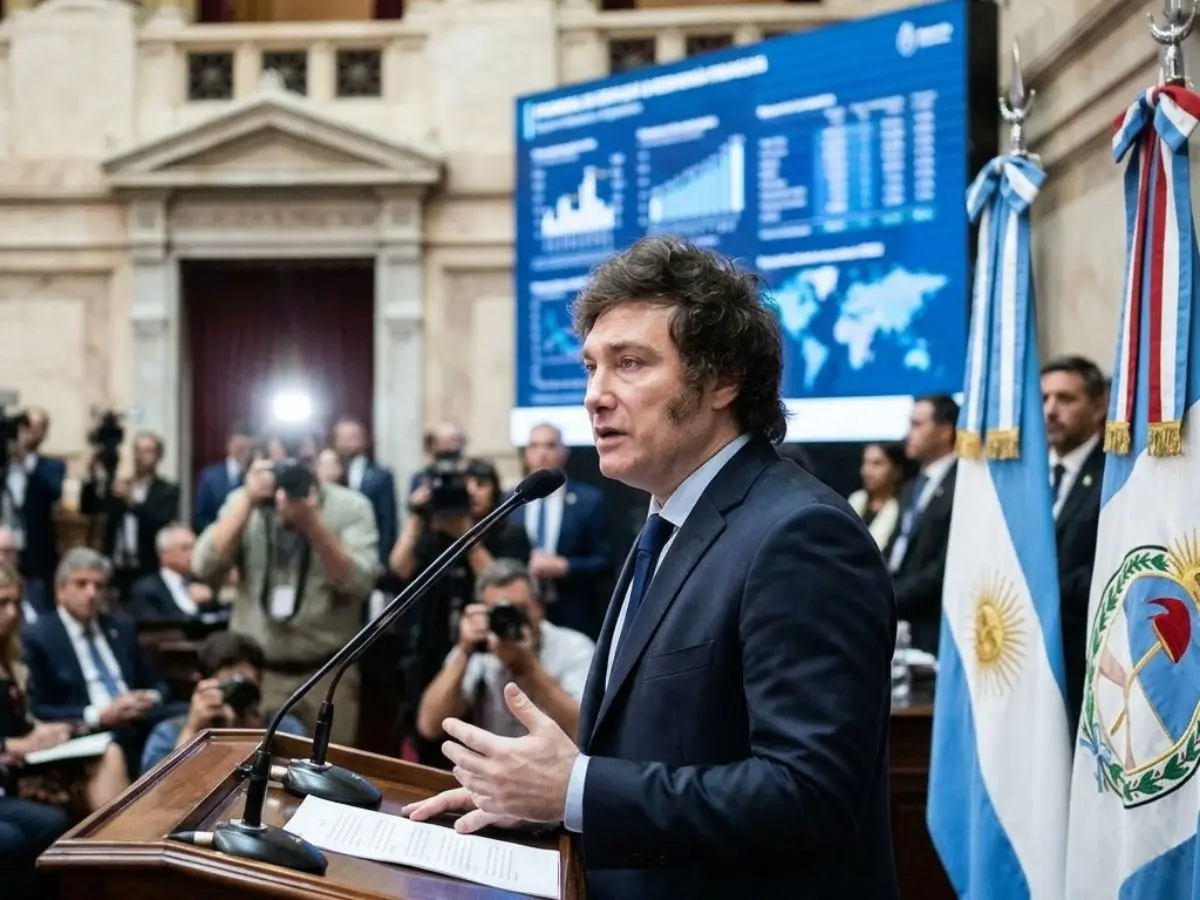
Javier Milei, President of Argentina, has attracted international attention through his government’s emphasis on economic reform, fiscal restraint, and changes to the role of the state in the economy.
Argentina’s economic policies matter beyond its borders because the country participates in international trade and has significant agricultural and energy resources.
Changes to taxation, public spending, investment rules, and currency policy can affect domestic businesses and international investors.
Milei’s approach also contributes to wider debates about inflation, government expenditure, deregulation, and economic recovery.
Argentina’s experience illustrates how domestic policy choices can influence a country’s international economic relationships, although results depend on implementation and changing economic conditions.
10. Shahbaz Sharif: Pakistan’s Regional and Economic Priorities
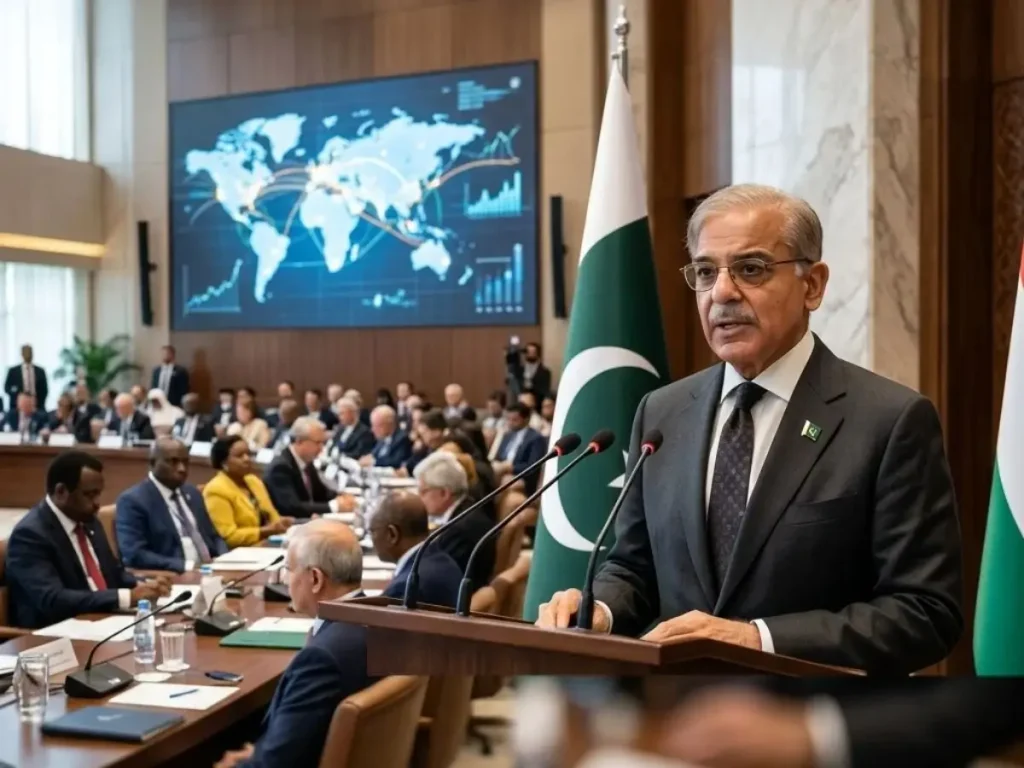
Shehbaz Sharif, Prime Minister of Pakistan, represents a country whose foreign policy is closely connected to South Asian security, relations with China, ties with Gulf countries, and engagement with international financial institutions.
Pakistan’s economic priorities include managing financial pressures, attracting investment, improving energy security, and expanding trade. These issues can influence its relationships with creditors, development partners, and regional neighbors.
Pakistan’s geographical position also makes regional diplomacy important. Relations with neighboring states, developments in Afghanistan, and broader security concerns can affect trade, migration, and regional stability.
The country’s policy choices therefore matter to both domestic development and international cooperation.
What Shapes a Leader’s Global Influence?
A leader’s influence depends on more than personal visibility or the size of a country’s economy. Several practical factors help explain why some decisions have international consequences.
- Economic strength: Countries with large markets, financial resources, or important commodities can affect global trade and investment.
- Diplomatic relationships: Alliances and partnerships can help governments negotiate agreements and coordinate responses to international challenges.
- Military and security capabilities: Defense resources and security commitments influence deterrence, conflict management, and regional stability.
- Institutional participation: Membership in organizations such as the United Nations, G7, G20, and European Union creates opportunities to shape shared policies.
- Technology and innovation: Decisions about artificial intelligence, digital infrastructure, and research can influence international competition and regulation.
- Public trust and domestic support: Political leaders often have more room to pursue policies when institutions function effectively and the public supports their direction.
These factors work together. A government may have substantial economic power but still face diplomatic limitations, while a country with fewer resources may influence negotiations through strategic partnerships or a distinctive regional role.
How Global Leaders Influence Everyday Life
International policymaking can seem distant from daily life, but its effects often appear in familiar ways. Tariffs and trade agreements can change product prices, while energy policies can affect electricity costs and fuel markets.
Decisions about migration, conflict, and international aid can influence employment, humanitarian assistance, and the movement of people across borders.
Climate agreements and environmental regulations may shape how industries produce goods and how governments invest in renewable energy.
Technology policies also have growing consequences. Rules governing data protection, digital competition, and artificial intelligence can affect online services, workplaces, and businesses operating internationally.
For readers, following global politics is therefore more than tracking speeches or diplomatic meetings. It is a way to understand the forces that influence economic opportunities, public services, international security, and future policy decisions.
Major Challenges Facing Global Policymakers
Political leaders must make decisions in a world where many challenges cross national borders. These issues rarely have simple solutions, and policies that benefit one group may create costs or trade offs for another.
Armed conflict and security: Governments must consider defense, diplomacy, civilian protection, and the conditions needed for lasting peace.
Economic uncertainty: Inflation, debt, changing trade relationships, and uneven growth can limit public spending and complicate long term planning.
Climate and energy: Countries must balance reliable and affordable energy with efforts to reduce emissions and prepare for environmental risks.
Technology and information: Artificial intelligence, cybersecurity, misinformation, and data protection require policies that address innovation alongside safety and accountability.
International cooperation: Countries may share an interest in solving global problems while disagreeing about responsibilities, costs, or the best way forward.
Effective policymaking involves evaluating evidence, consulting affected communities, considering long term consequences, and adapting when circumstances change.
How to Follow Global Politics More Effectively
Following international affairs becomes easier when readers use a consistent approach instead of relying on headlines alone.
- Check reliable sources: Compare reporting from established news organizations with official government statements and international institutions.
- Separate facts from opinions: Identify what has happened, what officials claim, and what analysts interpret.
- Look at policy details: Read the actual proposal, agreement, or announcement whenever possible.
- Consider different perspectives: Examine how a decision affects the countries and communities involved.
- Track outcomes over time: Initial announcements do not always lead to successful implementation or the intended results.
This approach helps readers understand political developments without treating every announcement as a permanent change or assuming that one leader controls every outcome.
FAQS
Who are influential leaders shaping global politics?
They are political figures whose decisions can affect international relations, economic policy, security, trade, or cooperation. Their influence depends on their country’s role, diplomatic relationships, institutions, and the issue being discussed.
Why do world leaders matter to ordinary people?
Their policies can affect prices, employment, energy, migration, public services, international security, and environmental protection. Global decisions often have local consequences.
What makes a political leader influential internationally?
Economic resources, diplomatic relationships, security capabilities, institutional roles, and the ability to build agreements can all contribute to international influence.
Can smaller countries influence global policymaking?
Yes. Smaller countries can contribute through diplomacy, regional alliances, international organizations, specialized expertise, and coalition building around shared priorities.
How does global policymaking affect businesses?
Trade rules, tariffs, sanctions, investment regulations, labor standards, and technology policies can influence operating costs, market access, supply chains, and business planning.
How can readers stay informed about global political developments?
Follow reputable news sources, consult official statements and international organizations, compare different perspectives, and distinguish verified events from predictions or commentary.
Conclusion
The Influential Leaders Shaping Global Politics come from countries with different economic systems, security priorities, political institutions, and international relationships.
Their decisions help shape debates about trade, diplomacy, technology, conflict, and economic development, but global outcomes also depend on institutions, citizens, businesses, and cooperation between countries.
Understanding these leaders provides a clearer picture of how international decisions are made and why they matter.
By following reliable reporting, examining policy details, and considering multiple perspectives, readers can better understand the political forces influencing the world today.

I’m William Parker, a content writer with a strong interest in facts, knowledge, and the stories behind the information we encounter every day. I enjoy researching topics that make people stop and think, especially unusual facts, history, science, technology, and human culture. I believe learning becomes much more enjoyable when information is presented in a simple and relatable way.
Books by William Parker:
- The Ultimate Book of Interesting Facts
- Inside the World of Knowledge