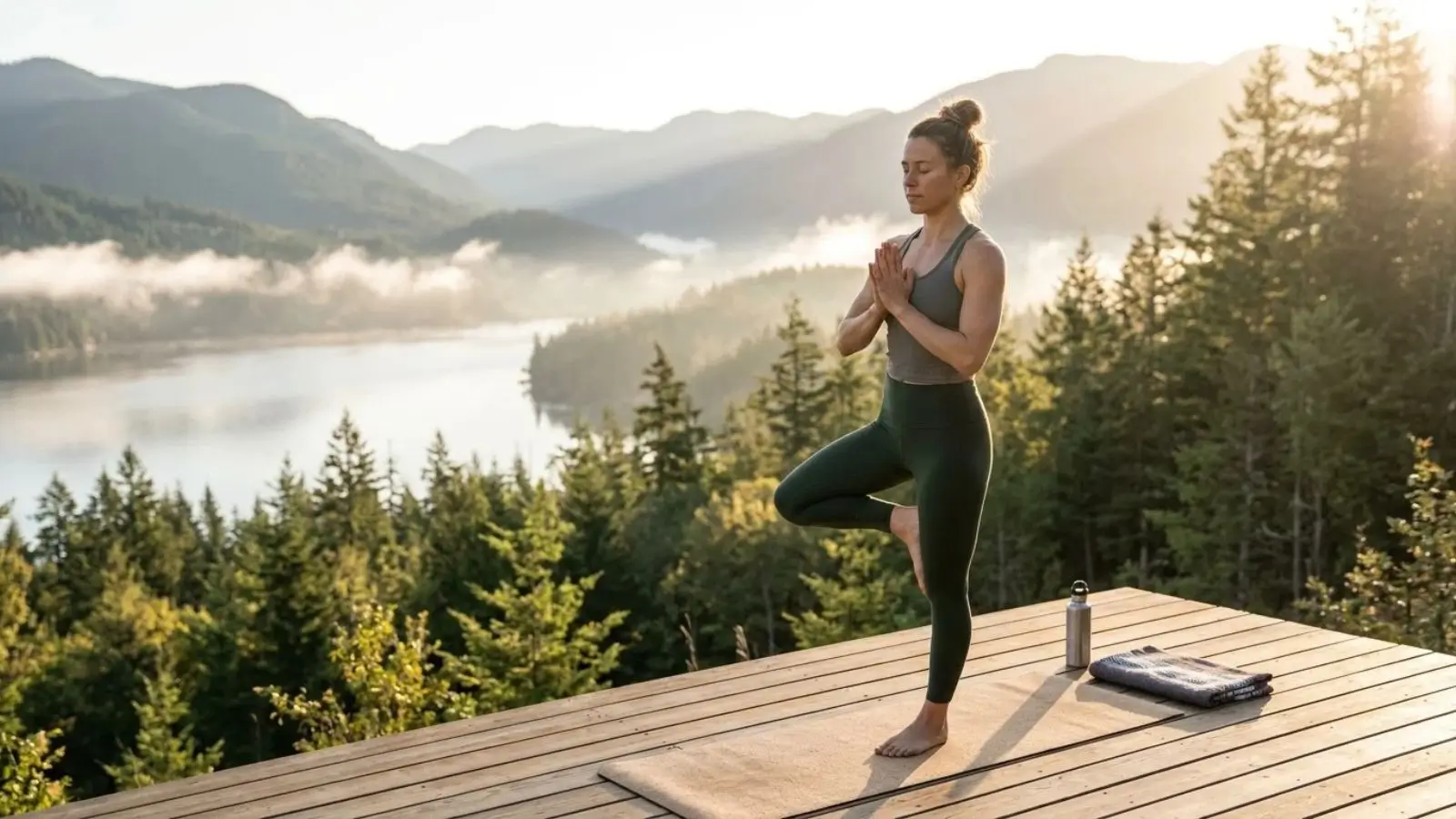
Modern life can leave us feeling mentally exhausted and physically inactive. Between work, family responsibilities, digital distractions, and everyday stress, taking care of ourselves often becomes something we plan to do later.
But what if feeling healthier started with a few simple changes to how we move, breathe, and pay attention?
Mindfulness and fitness work together to support a more balanced lifestyle. Fitness helps strengthen the body, improve endurance, and maintain mobility.
While mindfulness encourages us to notice our thoughts, emotions, and physical sensations without unnecessary judgment. Together, these practices can make everyday activities feel more intentional and manageable.
The good news is that you do not need an expensive gym membership, hours of meditation, or a perfect routine. Small, consistent habits can help you build a healthier relationship with your body and mind.
1. Start with Small Steps

Building a healthier lifestyle does not require changing everything overnight. In fact, trying to follow a demanding exercise schedule and a strict mindfulness routine from day one can quickly become overwhelming.
Start with manageable actions. Take a ten minute walk, stretch after waking up, or spend two minutes paying attention to your breathing. These simple activities can fit into even a busy schedule.
The purpose is to create habits you can maintain, not to achieve perfection. If you miss a workout or forget to meditate, return to your routine the next day without blaming yourself.
Try this: Choose one physical activity and one mindfulness practice for the next seven days. For example, walk for ten minutes and finish with two minutes of slow, comfortable breathing. Once these habits feel natural, gradually increase the time.
Consistency matters more than intensity when you are building a routine that needs to last.
2. Move with Awareness
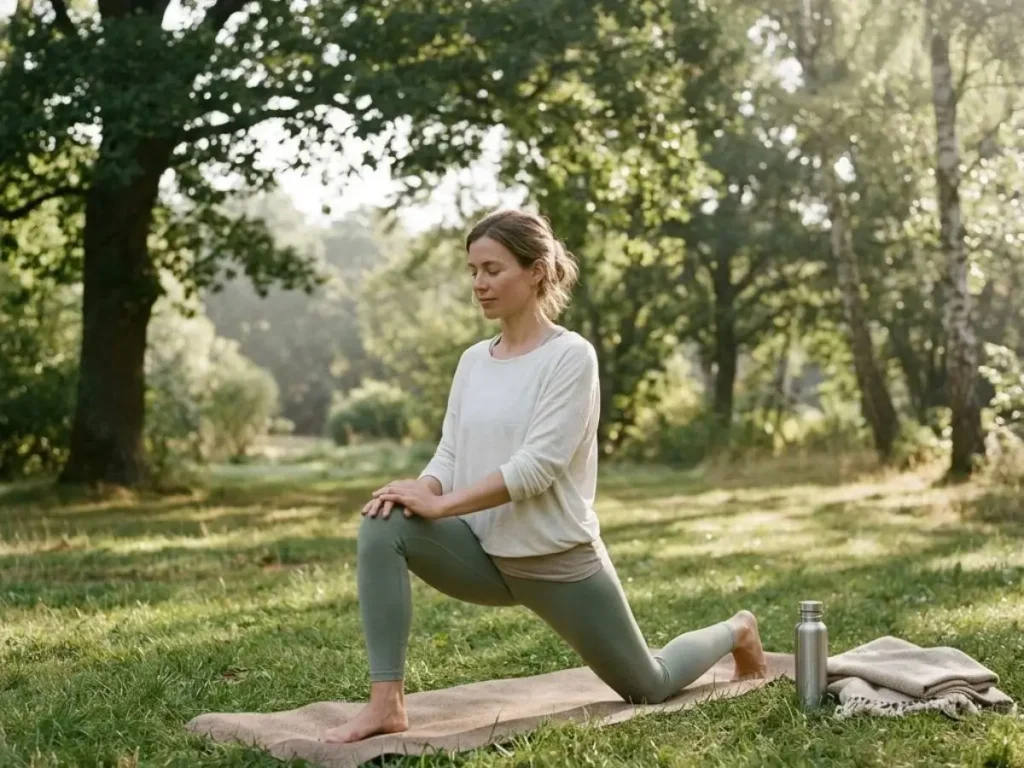
Exercise is often treated as something we must finish as quickly as possible. We count repetitions, watch the clock, or think about everything waiting for us afterward. Mindful movement offers a different approach: paying attention to what your body is doing while you exercise.
During a walk, notice your footsteps, breathing, posture, and surroundings. While stretching, observe how your muscles feel without forcing them into uncomfortable positions.
During strength training, focus on controlled movements and proper technique.
This awareness can help you recognize when you need to slow down, adjust your form, or take a break. It may also make exercise feel less like another task on your to do list.
You do not need to empty your mind or concentrate perfectly. Whenever your thoughts wander, gently bring your attention back to the movement.
Remember: The goal is not simply to move more. It is to become more aware of how you move and how your body responds.
3. Breathe Away the Rush
Breathing happens automatically, so we rarely pay attention to it. Yet taking a few moments to notice your breath can create a useful pause during a stressful day.
Mindful breathing involves observing each inhale and exhale without trying to force a particular result. You can practice it before a workout, after a busy meeting, or whenever you need a moment to reset.
Try this simple exercise:
- Sit comfortably with your shoulders relaxed.
- Breathe naturally through your nose if comfortable.
- Notice the movement of your chest or abdomen.
- Continue for one to three minutes without forcing your breath.
- If your mind wanders, gently return your attention to breathing.
This practice is not a replacement for professional support when dealing with ongoing anxiety or other health concerns. It is simply an accessible way to bring more awareness into everyday life.
If you feel dizzy or uncomfortable, return to your normal breathing. There is no need to take unusually deep breaths or hold your breath.
4. Choose Fitness You Enjoy
The most effective fitness routine is one that suits your needs, abilities, and preferences. You do not have to run long distances or lift heavy weights to build a more active lifestyle.
Walking, swimming, dancing, cycling, yoga, and strength training can all play a role in physical wellbeing.
The right choice depends on your goals, available time, health, and what you genuinely enjoy.
Enjoyment matters because an activity that feels rewarding is often easier to repeat. You may discover that a morning walk improves your mood, dancing gives you energy, or stretching helps you feel more comfortable after sitting for long periods.
Begin at a level that feels manageable and increase the challenge gradually. Include rest when needed, and avoid comparing your progress with someone else’s routine.
If you have an injury, a chronic health condition, or concerns about starting exercise, consider asking a qualified healthcare professional for guidance.
Practical tip: Make a short list of three activities you enjoy and rotate between them throughout the week. Variety can keep your routine interesting while helping you work on different aspects of fitness.
5. Eat to Support Your Energy
Mindfulness and fitness are easier to maintain when your body receives adequate nourishment. Food provides the energy needed for everyday movement, exercise, concentration, and recovery.
Instead of following restrictive food rules, focus on balanced meals that include a variety of vegetables and fruits, whole grains, protein sources, and healthy fats.
Drink water regularly, and adjust your food and fluid intake to your activity level, environment, and individual needs.
Mindful eating can also help you become more aware of your habits. Slow down when possible, notice the taste and texture of your food, and pay attention to hunger and fullness cues.
Try to eat without scrolling through your phone whenever your schedule allows.
This does not mean every meal must be perfectly planned. Enjoying favorite foods can fit into a balanced approach, too.
Avoid treating food as a reward you must earn through exercise. Nourishment supports your body every day, if you work out or take a rest day.
A flexible, balanced approach is generally more sustainable than extreme diets or unnecessary restrictions.
6. Make Recovery a Priority
Progress does not happen only during workouts. Rest and recovery help your body adapt to physical activity and give you an opportunity to recharge mentally.
Without adequate recovery, demanding exercise schedules may leave you feeling exhausted, unusually sore, or less motivated. Mindfulness can help you notice these signals instead of pushing through every uncomfortable feeling.
Build recovery into your routine by getting sufficient sleep, taking rest days when needed, eating balanced meals, and choosing gentle movement when appropriate.
Relaxation activities such as quiet reading, comfortable stretching, or spending time outdoors can also help you create a calmer transition between busy parts of the day.
Pay attention to patterns rather than judging yourself after a single difficult day. Persistent fatigue, worsening pain, or unusual symptoms deserve appropriate professional attention.
A helpful reminder: Rest is not a failure to stay active. It is part of a balanced approach to long term fitness.
7. Find Calm in Daily Life
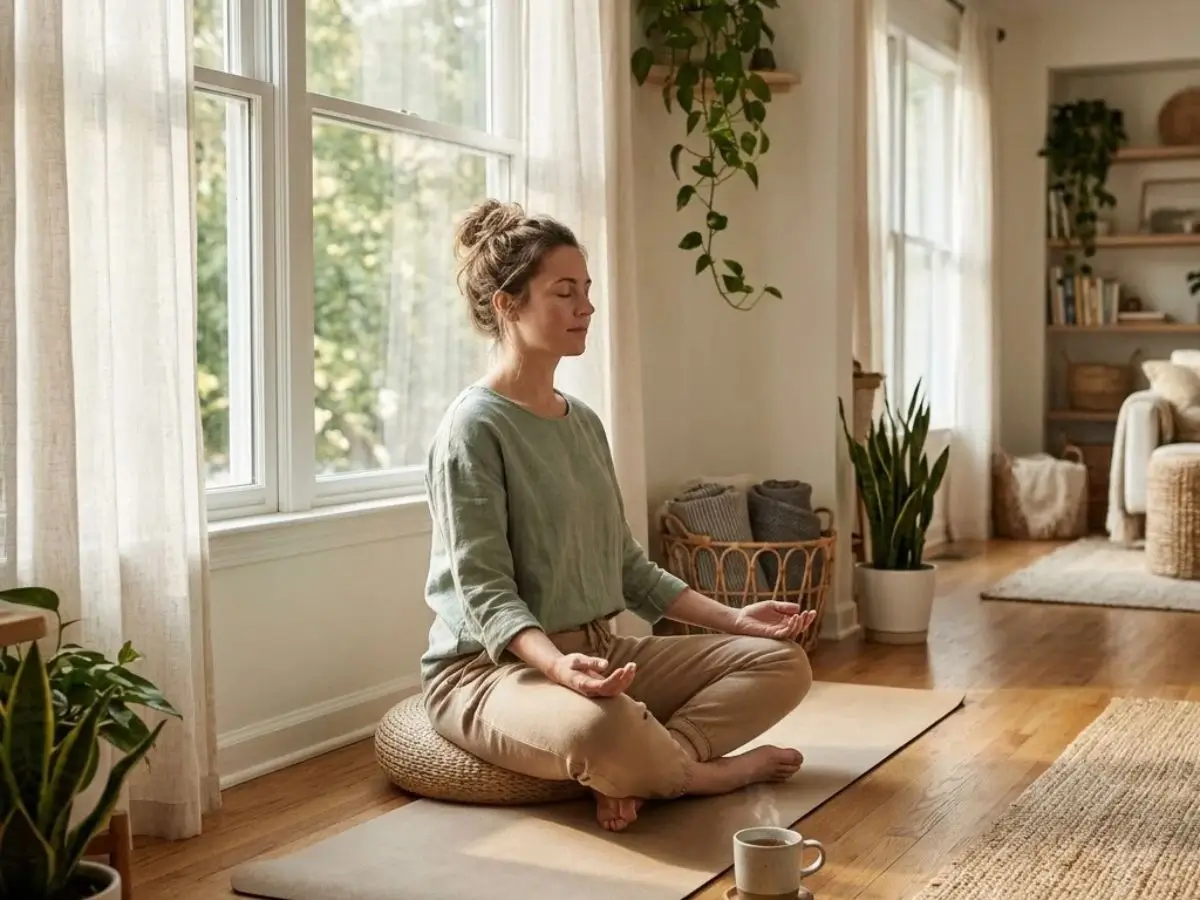
Mindfulness does not have to happen on a meditation cushion. You can practice it during ordinary activities by giving your attention to what you are doing rather than constantly thinking about the next task.
For example, notice the warmth of your morning tea, listen carefully during a conversation, or pay attention to the sounds around you during a walk.
Even a short pause between tasks can help you reconnect with the present moment.
These practices can be especially useful when your day feels rushed. Instead of automatically reaching for your phone whenever you have a free minute, take a few comfortable breaths and notice how you feel.
You can also create small reminders throughout the day. Take a mindful pause before lunch, stretch after a long period of sitting, or spend a few minutes outdoors without checking notifications.
Mindfulness is not about eliminating every negative thought. It is about noticing your experiences with greater awareness and responding more thoughtfully.
Over time, these small moments can help make a healthy lifestyle feel less like a strict program and more like a natural part of everyday living.
8. Build a Routine That Lasts
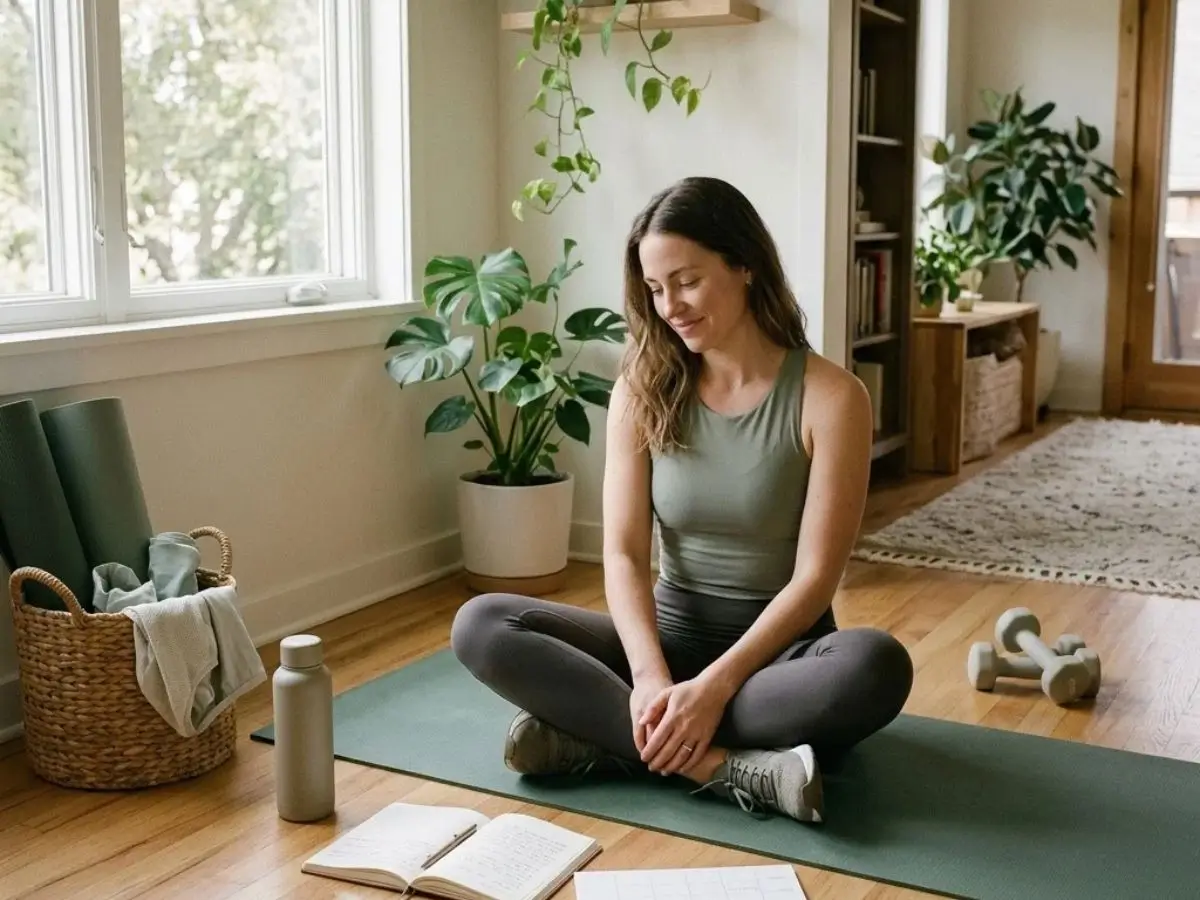
A sustainable routine should work with your life, not make it more stressful. Consider your work schedule, family commitments, energy levels, and access to suitable exercise options before planning your week.
Here is a simple example you can adapt:
- Morning: Spend two minutes noticing your breathing, then do a short mobility routine or take a brief walk.
- During the day: Take movement breaks, drink water regularly, and pause before switching between demanding tasks.
- After work: Choose an activity you enjoy, such as cycling, yoga, walking, or strength training.
- Evening: Reduce unnecessary screen distractions and make time for a calming activity before bed.
You do not need to complete every activity every day. On busy days, a short walk and a minute of mindful breathing may be enough to maintain your habit.
Review your routine each week. Ask yourself which activities felt helpful, which were difficult to maintain, and what you could simplify. Adjust the plan instead of abandoning it when circumstances change.
The best routine is flexible enough to survive real life.
9. FAQs
What is the connection between mindfulness and fitness?
Mindfulness encourages awareness of your thoughts, breathing, and physical sensations, while fitness supports strength, endurance, and mobility.
Combining them can help you approach exercise with greater attention and build more intentional daily habits.
Can beginners practice mindfulness and fitness together?
Yes. Beginners can start with simple activities such as mindful walking, gentle stretching, and a few minutes of comfortable breathing.
Choose a manageable starting point and increase activity gradually as your confidence and fitness improve.
How much time should I spend on mindfulness each day?
There is no single ideal duration for everyone. Starting with two to five minutes a day can make the practice easier to maintain. You can gradually spend more time on it if it feels useful.
Does mindfulness improve exercise performance?
Mindfulness may help some people pay closer attention to movement, technique, and bodily signals.
However, results vary, and mindfulness alone does not guarantee better athletic performance. Training, recovery, nutrition, and individual circumstances also matter.
Can mindfulness and fitness help manage stress?
Physical activity and mindfulness practices may help support stress management and general wellbeing.
They are useful parts of a balanced lifestyle, but persistent or severe stress may require additional support from a qualified professional.
Conclusion:
Mindfulness and fitness offer a practical way to care for both your physical health and your mental wellbeing.
Through mindful movement, comfortable breathing, balanced nutrition, enjoyable exercise, and adequate recovery, you can develop habits that support a healthier everyday life.
You do not need to change everything at once. Begin with one small action, repeat it consistently, and adjust your routine as your needs change.
Some days will feel energetic, while others will call for rest. Both are part of the process. Focus on progress rather than perfection, listen to your body, and make room for activities that help you feel more present.
A healthier lifestyle is not about doing more every day. It is about making thoughtful choices that you can continue over time.

I’m James Anderson, a curious researcher and writer who loves discovering interesting facts and exploring the stories behind them. I enjoy writing about history, science, culture, nature, geography, and the surprising details of everyday life. I aim to turn reliable information into simple, engaging content that helps readers learn something new and useful.
Books by James Anderson:
- The Fascinating World of Facts
- 1000 Things You Never Knew