
Social media has changed how political campaigns communicate with the public. Instead of relying only on television, newspapers, posters, and public meetings, political candidates can now share their ideas through platforms such as Facebook, Instagram, YouTube, and X.
Messages can reach large audiences quickly, and people can respond, ask questions, or discuss political issues in real time.
Social media political campaigns have become an important part of modern political communication.
They help campaign teams explain policies, share updates, organize supporters, and understand public concerns.
However, digital campaigning also brings challenges, including misinformation, privacy concerns, online harassment, and the rapid spread of misleading content.
Understanding how these campaigns work helps voters evaluate political messages more carefully and helps campaign teams communicate with greater transparency and responsibility.
1. Reach Voters Where They Are
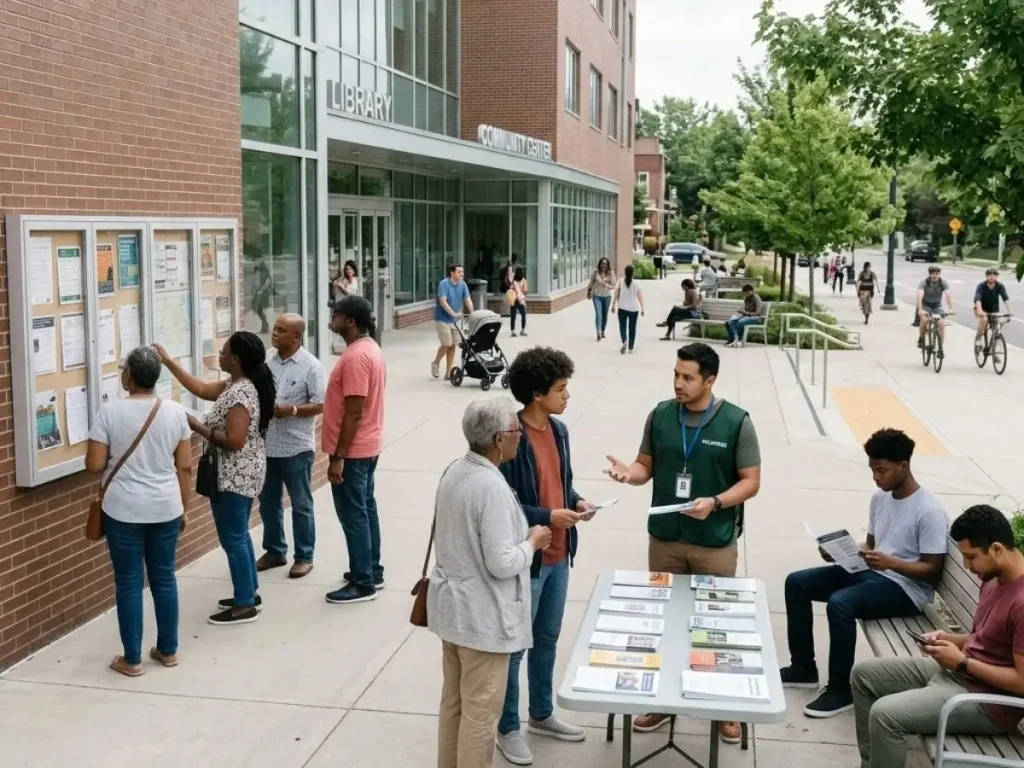
One major advantage of social media is its ability to make political information accessible to people wherever they are.
Campaign teams can publish policy announcements, event updates, speeches, and interviews without depending entirely on traditional media outlets.
This accessibility can be particularly useful for people who rarely attend political gatherings or have limited access to conventional news sources.
A short video explaining a proposed policy, for example, may introduce an issue to someone who has not read the full manifesto.
Different platforms also serve different communication needs. Video platforms support longer explanations, while image based posts can summarize key information. Live streams allow candidates to speak directly to audiences and answer questions.
However, reaching more people does not automatically mean communicating effectively. Campaign teams need clear, accurate messages that explain what they propose and why it matters.
Voters should also remember that a post appearing frequently in their feed does not necessarily represent the views of the wider public.
2. Tell a Clear Campaign Story

Political campaigns often involve complex subjects, including education, healthcare, employment, taxation, and public services. Social media gives campaign teams opportunities to explain these issues in accessible formats.
A short video might introduce a policy goal, while an infographic can summarize proposed steps or explain how a public program is intended to work.
Longer posts, interviews, and linked documents can provide the additional context that a brief message cannot include.
Storytelling can also help people understand how policies relate to everyday life. A campaign discussing public transportation, for example, might explain its proposals for improving routes, affordability, or accessibility.
The strongest explanations connect the issue with practical details rather than relying only on slogans.
Simplicity is useful, but oversimplification can be misleading. A responsible campaign should distinguish between a promise, a proposal, and an established result.
It should also make supporting information available so that people can examine the claims for themselves.
3. Build Two Way Communication
Traditional campaign communication often sends messages from candidates to audiences. Social media adds another dimension by allowing voters to respond directly through comments, questions, live discussions, and public feedback.
This interaction can help campaign teams identify which issues people want explained more clearly.
If residents repeatedly raise concerns about local roads, healthcare access, or public transport, those questions can inform future public discussions.
Direct communication can also make political representatives appear more accessible. Live question and answer sessions, public responses to criticism, and regular updates can create opportunities for meaningful engagement.
Still, online interaction has limitations. Comments may not represent the whole community, and highly visible posts can sometimes amplify conflict rather than constructive discussion.
Campaign teams should avoid treating likes, shares, or angry comments as reliable measures of public opinion.
Useful engagement involves listening, responding respectfully, correcting errors, and providing clear answers when information is available.
Social media works best as one part of public consultation, alongside community meetings, surveys, and other ways to hear from citizens.
4. Use Data with Care
Digital platforms provide campaign teams with information about how people interact with their content.
Basic analytics may show how many users viewed a video, clicked a link, shared a post, or attended an online event.
These measurements help teams understand if their communication is reaching its intended audience and which explanations may need improvement.
For example, if many people leave a video before a policy is fully explained, the campaign might make the presentation clearer or provide a written summary.
However, online analytics should be interpreted carefully. A high number of views does not prove that people agree with a message, understand it, or intend to act on it.
Platform metrics measure particular forms of engagement, not the full complexity of political opinion.
Privacy is equally important. Campaign teams should handle personal information lawfully, explain how data is used, and avoid collecting or sharing sensitive information without an appropriate basis. They should also respect platform rules and applicable election laws.
Responsible data use focuses on improving communication rather than exploiting personal vulnerabilities or making unsupported assumptions about voters.
5. Create Content People Understand
Social media is a fast moving environment, so campaigns often use different content formats to explain their messages. Short videos, graphics, interviews, written posts, and live broadcasts can each serve a useful purpose.
A video may help a candidate explain a policy in their own words, while an infographic can make a complicated process easier to follow.
A written statement is often more suitable when readers need precise details, qualifications, or links to official documents.
Consistency also matters. Campaign content should use recognizable branding and a clear tone without making every post feel identical.
The purpose is to help people identify official information and understand what the campaign is communicating.
Accessibility should be part of the process. Captions can help people who watch videos without sound or have hearing difficulties.
Clear language, readable graphics, alternative text for images, and translated information where appropriate can make content easier for more people to use.
Most importantly, content should be accurate. Images and clips should not be edited in ways that change their meaning, and claims should be supported by reliable evidence. Engaging content can attract attention, but trust depends on honesty and context.
6. Fight Misinformation Early
The speed of social media makes it possible for political information to spread widely before anyone has checked if it is accurate.
False claims, misleading headlines, altered images, and videos taken out of context can confuse voters and damage public trust.
Campaign teams can reduce this risk by verifying information before publication, linking to original documents, and correcting mistakes openly.
When false claims about a candidate or policy circulate, a clear response supported by evidence can help audiences assess what happened.
Voters also have an important role. Before sharing a political post, check its original source, publication date, supporting evidence, and if reputable outlets or official records confirm the claim. A screenshot without a reliable source is not enough to establish that something is true.
AI generated images, manipulated audio, and edited video clips add another challenge. Content that appears realistic may not accurately represent an event or statement, so viewers should seek independent confirmation when something seems suspicious.
No single response can eliminate misinformation. Media literacy, transparent communication, independent journalism, and responsible platform policies all contribute to a healthier political information environment.
7. Keep Campaigns Fair and Transparent
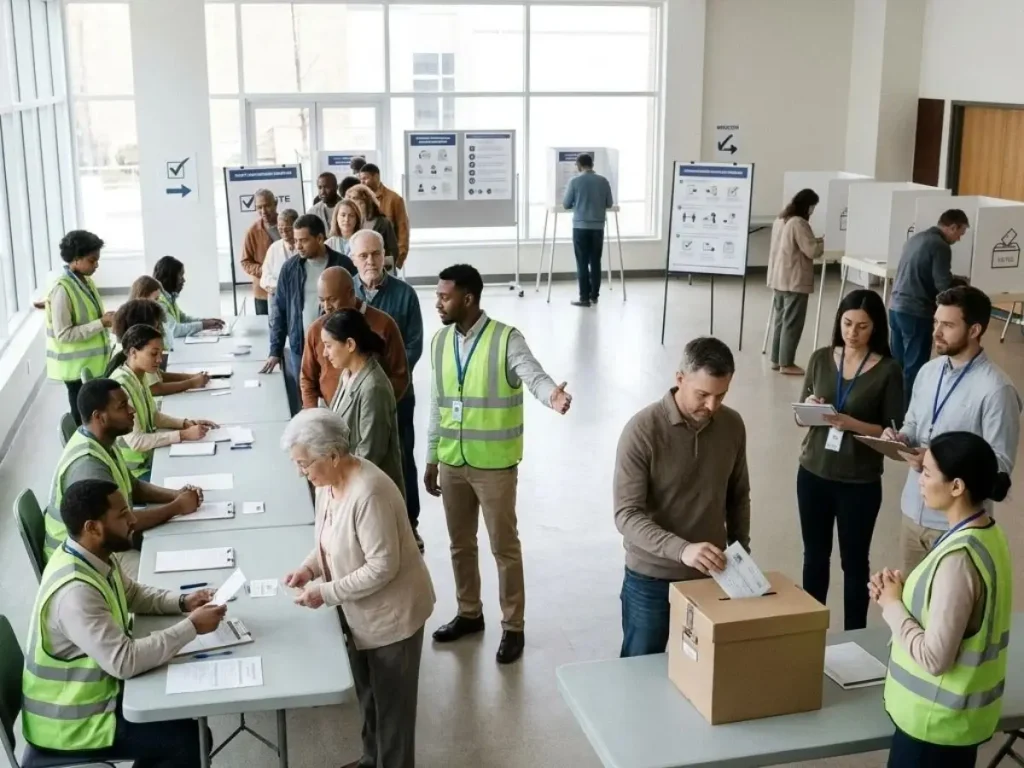
Social media can make political participation more accessible, but it can also create opportunities for unfair or misleading practices.
Undisclosed advertisements, fake accounts, coordinated harassment, and manipulated content can make it harder for people to distinguish genuine political communication from deceptive activity.
Transparency helps voters understand who is communicating with them and why. Campaigns should clearly identify their official accounts, follow relevant rules for political advertising, and provide accurate information about sponsored content where required.
They should also respect the privacy of individuals and avoid deceptive tactics, including impersonation or fabricated endorsements.
Personal attacks and harassment can discourage people from joining political discussions, particularly those who already face barriers to public participation.
Election regulations differ by country and jurisdiction, so campaign teams need to understand the rules that apply to political advertising, spending, data protection, and election period communication.
Fair digital campaigning does not require every campaign to use the same message. It requires political participants to compete through honest communication, explain their proposals, and respect the public’s ability to make informed decisions.
8. Turn Online Interest into Participation

Social media can help people discover opportunities to participate in political life. Campaign accounts may share information about public meetings, candidate debates, volunteer activities, voter registration procedures, and official election resources.
These updates can reduce barriers for people who are interested in civic participation but do not know where to begin.
A clear event announcement, for example, can explain the location, timing, accessibility arrangements, and purpose of a public meeting.
Online communities can also encourage discussions about local issues and help residents find information about public services or civic organizations.
However, participation should not be measured only by online activity. Sharing a post is different from attending a meeting, contacting a representative, or voting.
Campaigns should provide accurate, non misleading information about participation requirements and direct users to official sources for election dates, registration rules, and polling arrangements.
The wider goal is to turn digital attention into informed civic engagement. Social media can open the door, but meaningful participation depends on accessible information, respectful discussion, and opportunities for people to contribute beyond their screens.
9. FAQs
What are social media political campaigns?
Social media political campaigns use digital platforms to communicate political messages, explain policies, share announcements, engage with voters, and provide information about candidates or parties.
Why is social media important in political campaigns?
It offers opportunities for rapid communication, public interaction, multimedia explanations, and access to audiences who may not regularly follow traditional campaign channels. Its effectiveness depends on message quality, audience access, and public trust.
What are the main challenges of digital campaigning?
Common challenges include misinformation, privacy risks, online harassment, misleading content, unequal access to technology, and the difficulty of interpreting engagement metrics accurately.
How can voters evaluate political content online?
Check the original source, compare claims with reliable reporting and official documents, look for missing context, and be cautious with emotional posts or unverified videos. Avoid sharing claims until you have reasonable grounds to trust them.
Can social media influence political participation?
It can help people discover political information, events, and ways to participate. However, online engagement does not always lead to offline action, and its effects vary depending on the audience and circumstances.
Conclusion:
Social media political campaigns have transformed the way candidates, parties, journalists, and citizens communicate about public issues.
Digital platforms make it easier to share information, discuss policies, respond to questions, and introduce people to opportunities for civic participation.
Yet, visibility alone does not create a successful or responsible campaign. Trust depends on accurate information, transparent advertising, respect for privacy, and a willingness to correct mistakes.
Campaign teams must also recognize that online reactions do not tell the whole story of what a community thinks or needs.
For voters, the most useful habit is to approach political content with curiosity and critical thinking.
Check sources, seek context, compare policy claims, and avoid treating popularity as proof of accuracy.
When used responsibly, social media can support more accessible political communication and informed public discussion.
Its greatest value lies not simply in reaching people quickly, but in helping them understand the issues and make their own decisions.

I’m James Anderson, a curious researcher and writer who loves discovering interesting facts and exploring the stories behind them. I enjoy writing about history, science, culture, nature, geography, and the surprising details of everyday life. I aim to turn reliable information into simple, engaging content that helps readers learn something new and useful.
Books by James Anderson:
- The Fascinating World of Facts
- 1000 Things You Never Knew