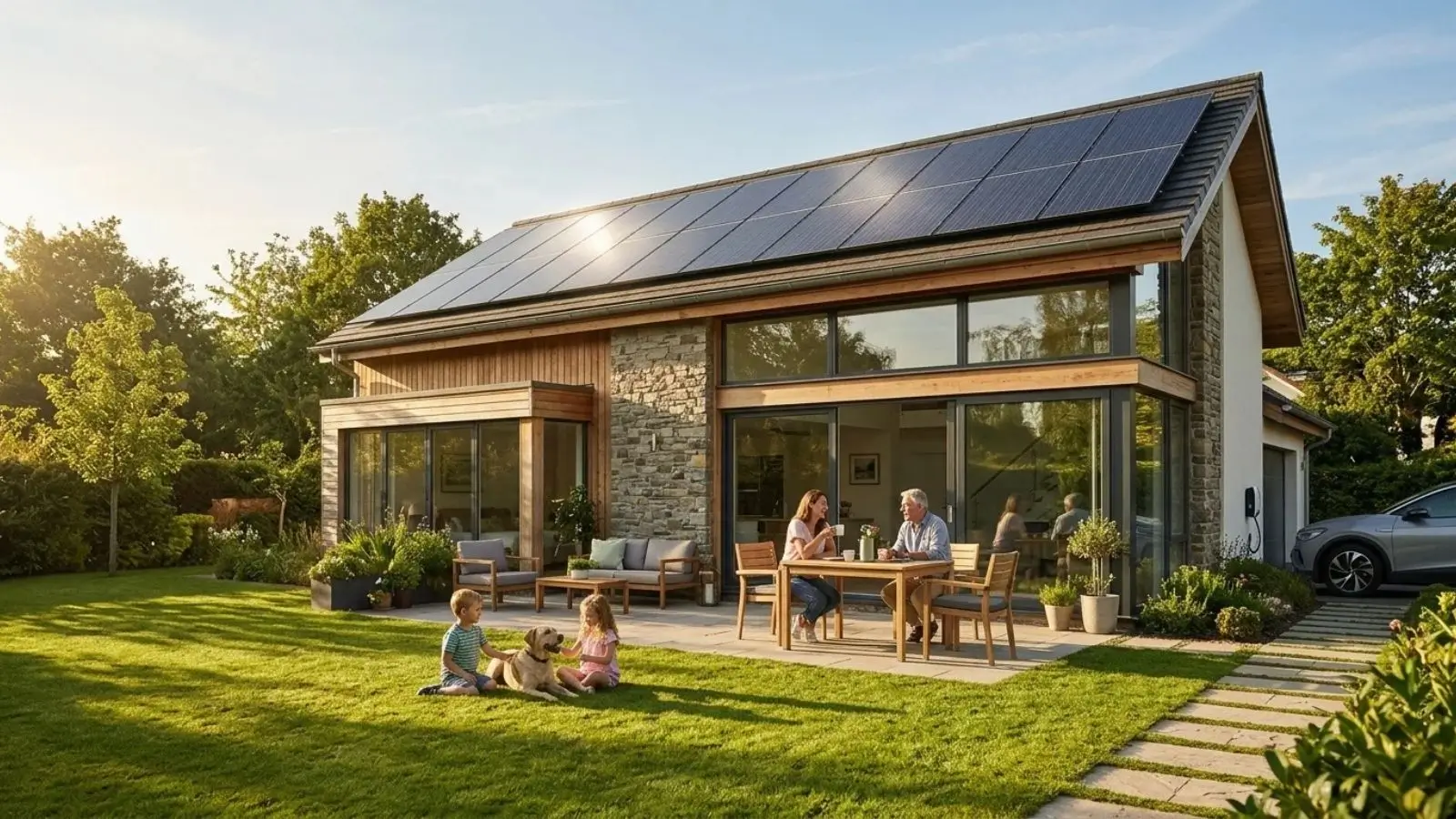
Imagine powering your home with sunlight, reducing your dependence on traditional electricity, and making everyday living more sustainable. Solar energy is turning this idea into a practical choice for homeowners, businesses, and communities around the world.
As electricity costs, energy security concerns, and environmental awareness continue to influence household decisions, more people are exploring solar power as an alternative energy source.
Solar panels can convert sunlight into electricity, helping households meet some or even most of their energy needs, depending on their system size, location, and electricity consumption.
However, switching to solar energy involves more than installing panels on a rooftop. Understanding how solar systems work, what they cost, how much electricity they produce, and if batteries are necessary can help you make a confident decision.
If you are considering solar panels for your home or simply want to understand this growing technology, learning the basics is the first step toward a brighter energy future.
1. Discover the Power of Sunlight
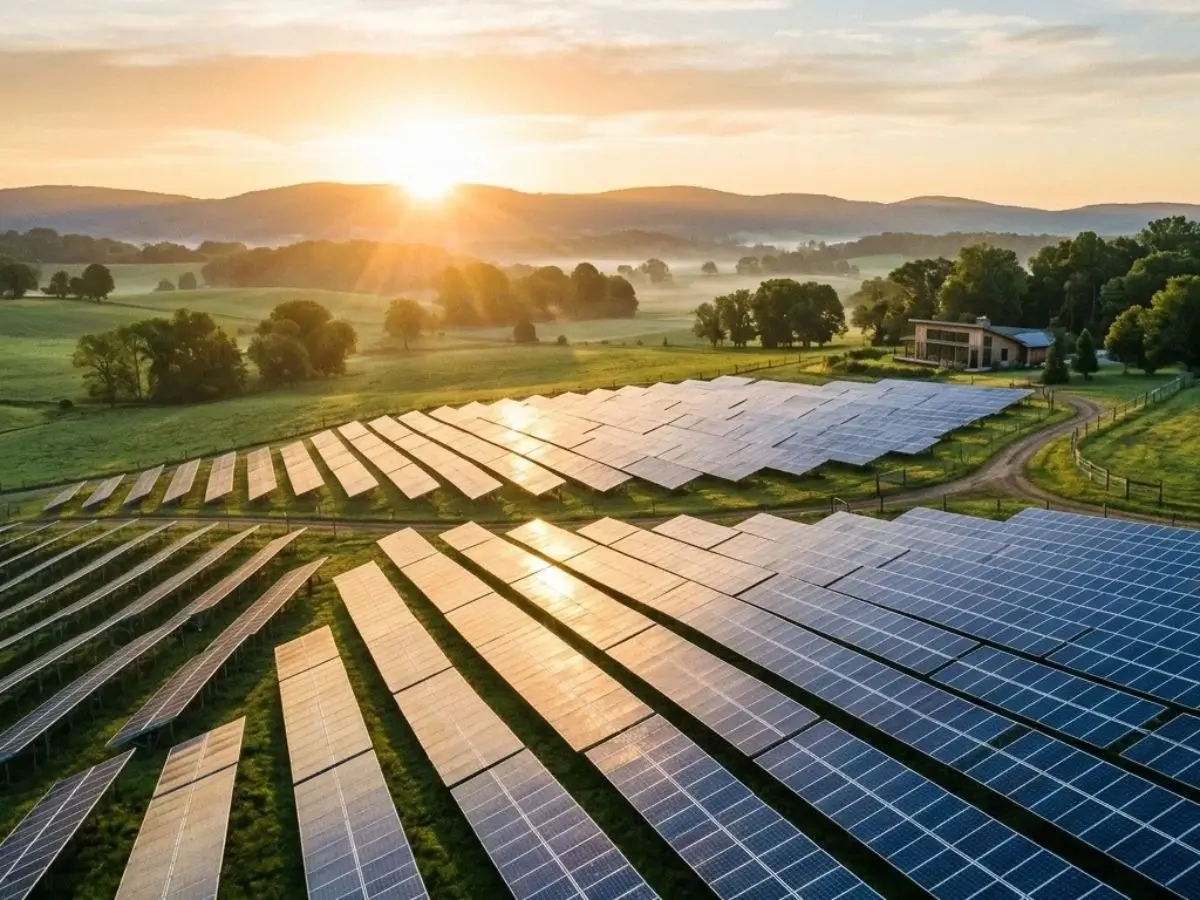
Solar energy is the energy we receive from the sun. Modern solar technology allows us to capture this natural resource and convert it into electricity or heat for everyday use.
Most residential solar systems use photovoltaic (PV) panels. These panels contain semiconductor materials, usually silicon, that generate an electrical current when exposed to sunlight.
An inverter then converts the electricity into a form suitable for household appliances and other electrical equipment.
Solar energy offers an important advantage: sunlight is naturally replenished. Unlike fossil fuels, it does not require the continuous extraction and burning of coal, oil, or natural gas to generate electricity.
Solar power can support homes, offices, schools, hospitals, farms, and industrial facilities. Its usefulness depends on factors such as sunlight availability, roof conditions, equipment quality, and local electricity requirements.
Although solar panels can generate electricity on cloudy days, their output generally decreases when sunlight is weaker. Understanding this limitation helps set realistic expectations about performance throughout the year.
2. Make Your Home More Energy Efficient
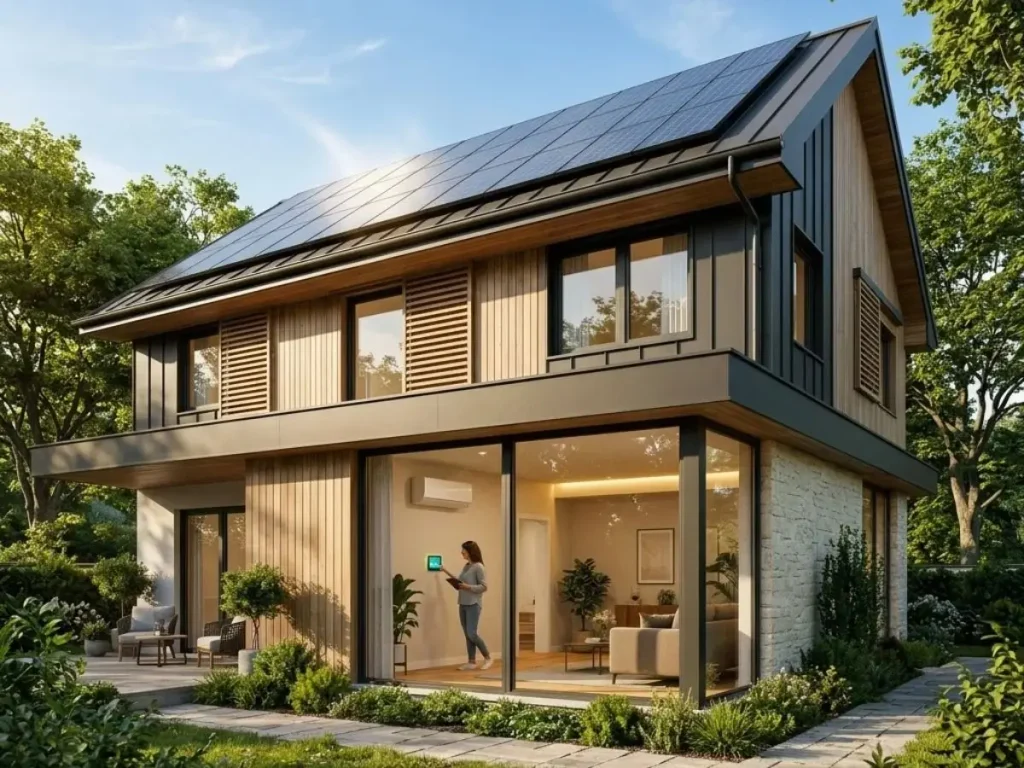
A solar powered home can use sunlight to operate everyday essentials, including lights, fans, refrigerators, televisions, computers, and other compatible appliances.
The amount of electricity a system supplies depends on its capacity and the household’s consumption.
A home with efficient appliances and reasonable electricity use may need a smaller system than a property running multiple air conditioners, water pumps, and other energy intensive equipment.
Before installing solar panels, review your electricity bills to understand your average monthly consumption. Identify when your household uses the most electricity and which appliances contribute most to demand.
You should also improve energy efficiency where possible. LED lighting, efficient air conditioners, proper insulation, and switching off unused equipment can reduce the amount of solar capacity you need.
This combination is often more practical than simply installing additional panels. A well planned solar system should match your actual lifestyle and energy requirements rather than being selected solely because a larger system appears more impressive.
3. Cut Electricity Costs Wisely
One of the main reasons homeowners consider solar energy is the potential to reduce electricity bills. When your panels generate electricity, your home can use that power instead of purchasing the same amount from the utility grid.
The financial benefit depends on several factors, including installation costs, system performance, electricity tariffs, maintenance expenses, and the value of any surplus electricity exported to the grid.
For example, a household that uses substantial electricity during sunny daytime hours may benefit from directly consuming more of its solar generation.
A household that uses most of its electricity after sunset may need a different approach, such as adjusting appliance schedules or considering battery storage.
Solar energy does not automatically eliminate every electricity bill. Grid connection charges, taxes, fixed fees, and electricity purchased at night may still apply, depending on local rules.
To estimate potential savings, compare your expected solar production with your consumption patterns and current electricity rates.
Request a detailed quotation and examine the estimated payback period before making a financial commitment.
4. Choose the Right Solar System
Solar systems are not all designed for the same purpose. Understanding the main options can help you select equipment that suits your budget, energy needs, and local electricity conditions.
Grid tied systems: These systems connect to the utility grid and can supply solar electricity to your property during generation hours. Depending on local regulations and installed safety equipment, surplus electricity may be exported to the grid.
Standard grid tied systems usually shut down during a grid outage unless they include approved backup capabilities.
Hybrid systems: These combine solar panels, grid connectivity, and battery storage. They can provide greater flexibility by storing some surplus energy for later use. Backup operation during outages depends on the system design and the circuits connected to it.
Off grid systems: These operate without a utility grid connection. They generally require carefully sized batteries and sometimes a backup generator to supply electricity when sunlight is insufficient.
The right option depends on grid reliability, household consumption, available space, and upfront costs. Ask qualified installers to explain the advantages and limitations of each system before choosing.
5. Understand Batteries and Backup Power
Solar panels generate electricity when sunlight is available, but household energy demand does not always follow the same schedule. Batteries can help bridge this gap by storing electricity for use later.
A battery may be particularly useful when electricity outages are common or when a household needs power after sunset.
However, adding storage increases the initial investment and introduces additional equipment that may eventually require replacement.
Battery capacity and power output are two important considerations. Capacity indicates how much energy a battery can store, while power output determines how much electricity it can deliver at a given moment.
For example, a battery might have enough stored energy to operate lights and a refrigerator for several hours but may not support multiple high power appliances simultaneously.
Before purchasing a battery, identify which appliances genuinely require backup power. Essential loads such as lights, communication equipment, fans, and refrigeration may be more practical to support than an entire household.
A qualified installer can help calculate expected runtime and recommend appropriate equipment based on your priorities.
6. Explore the Environmental Benefits
Solar energy can reduce greenhouse gas emissions because generating electricity from sunlight does not involve burning fossil fuels during operation.
Its environmental benefits can be significant when solar electricity replaces more carbon intensive generation.
Solar panels can also reduce dependence on finite fuel resources and diversify the energy supply. At a community level, wider adoption can support cleaner electricity generation and improve energy resilience.
However, solar technology is not completely impact free. Manufacturing panels, transporting equipment, producing batteries, and installing systems require materials and energy. Panels and batteries also need responsible end of life management.
The overall environmental benefit depends on the electricity source being replaced, system performance, manufacturing practices, and equipment lifespan.
Homeowners can make more sustainable choices by selecting reliable products, maintaining their systems properly, and asking suppliers about warranties, recycling options, and responsible disposal.
Solar energy is therefore best understood as an important part of a broader transition toward cleaner energy, rather than a solution that removes every environmental challenge.
7. Plan Your Solar Investment
The cost of a solar installation varies according to system capacity, panel quality, inverter type, battery requirements, roof conditions, and installation complexity. Local taxes, import costs, warranties, and available financing can also influence the final price.
Instead of comparing quotations by price alone, examine the equipment specifications, estimated electricity production, installation standards, warranty coverage, and after sales support.
Ask installers to explain the expected performance of the proposed system under local sunlight conditions. A quotation should clearly identify the equipment included, installation costs, relevant approvals, and any exclusions.
It is also useful to calculate the estimated payback period. This is the time required for accumulated savings to recover the initial investment.
The estimate should account for realistic electricity savings, maintenance costs, and applicable compensation for exported electricity.
Avoid relying on guaranteed savings claims without reviewing the assumptions behind them. Electricity prices, government policies, system output, and household consumption can change over time.
A carefully researched investment can make solar energy more financially practical and reduce the risk of unexpected expenses.
8. Keep Your Solar Panels Performing
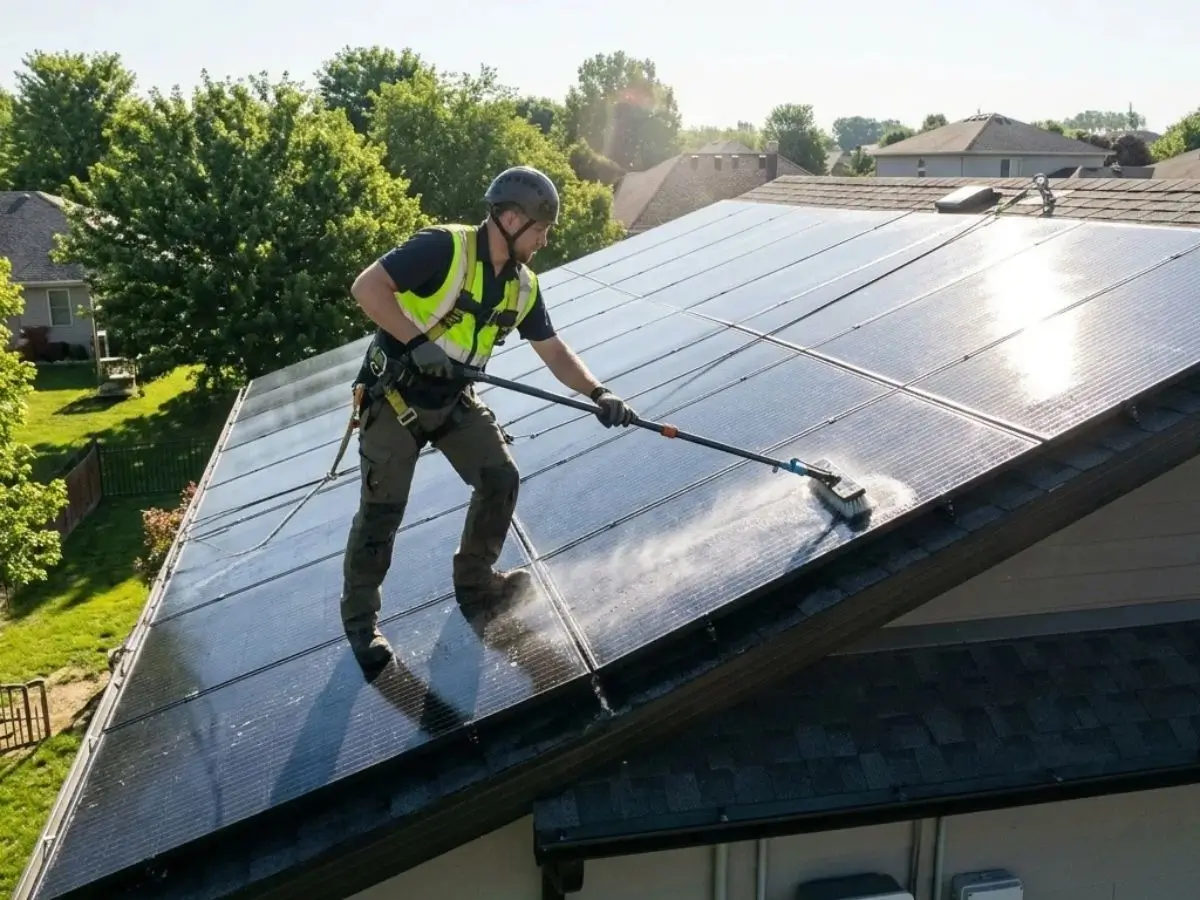
Solar panels generally require less routine maintenance than many mechanical energy systems, but regular checks help protect their performance.
Dust, leaves, bird droppings, and other debris can reduce the amount of sunlight reaching the panels. Cleaning requirements depend on local weather, pollution, rainfall, and the manufacturer’s instructions.
Use safe cleaning methods and avoid climbing onto roofs without appropriate training and equipment.
Monitor your system’s electricity production through its inverter display or monitoring application, if available. A noticeable and unexplained decline in output may indicate shading, equipment problems, or another issue that needs investigation.
Keep nearby trees from creating excessive shade where practical, and arrange professional inspections when recommended by the manufacturer or installer.
Inverters, batteries, cables, and mounting equipment have different maintenance needs and lifespans. Follow the manufacturer’s guidance and keep records of installation documents, warranties, repairs, and performance.
Electrical work should be handled by qualified professionals. Proper maintenance is not only about generating more electricity; it also helps protect household safety and preserve the value of your investment.
9. Build a Brighter Energy Future
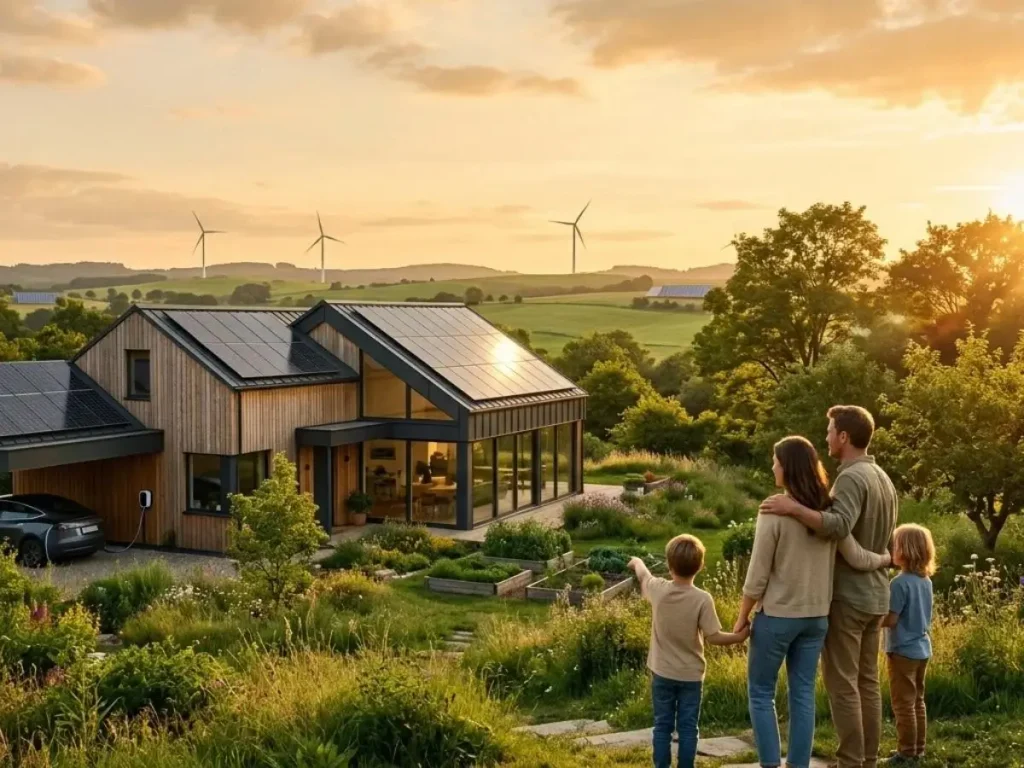
Solar energy is becoming an increasingly important option for people seeking more control over their electricity use and a cleaner energy supply.
Advances in panels, inverters, batteries, and monitoring technology continue to expand the ways households and businesses can use sunlight.
Yet the most successful solar installation is not necessarily the largest or most expensive. It is the one that fits the property’s energy needs, local conditions, budget, and long term priorities.
Start by reviewing your electricity bills, checking your roof’s suitability, comparing reputable installers, and understanding local grid connection rules.
Consider If you need battery backup or If a grid connected system would meet your requirements more economically.
Researching these details before purchasing can prevent costly mistakes and help you understand what your system can realistically deliver.
Conclusion
Solar energy offers a practical way to turn sunlight into useful electricity, potentially reduce household energy costs, and support a transition toward cleaner power.
Its benefits depend on thoughtful planning, suitable equipment, realistic financial expectations, and proper maintenance.
By understanding system types, battery options, installation costs, and energy efficiency, homeowners can make informed decisions that suit their circumstances.
A brighter energy future begins with a sensible first step: understanding your needs, exploring your options, and choosing a solar solution designed to serve you well for years to come.

I’m Noah Richardson, a writer and fact finder who enjoys investigating topics from different angles. I’m especially interested in the details people often overlook and the surprising information hidden inside familiar subjects. My work at Factopea is about making those discoveries accessible through straightforward, engaging writing. I take pride in researching each topic carefully and presenting the information in a way that respects the reader’s time and curiosity.
Books: The Fact Finder’s Handbook and More Than Meets the Eye