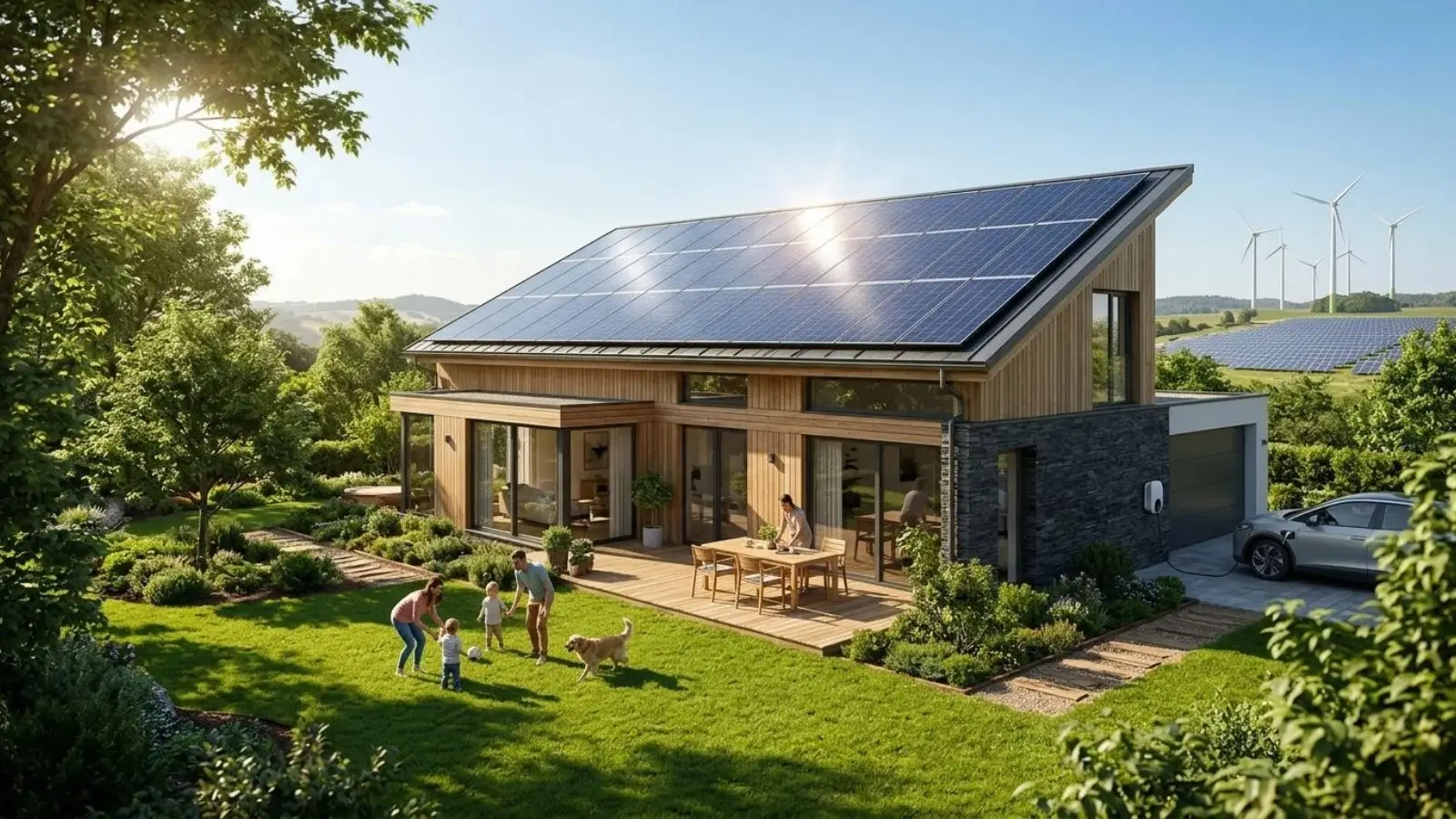
The way we produce and use electricity is changing. As energy costs rise and environmental concerns become more important, homeowners and businesses are looking for smarter ways to power their daily lives.
Solar power has become one of the most promising options because it uses sunlight, a naturally available resource, to generate electricity.
The Solar Advantage goes beyond simply producing power from sunlight. It includes the opportunity to reduce dependence on traditional electricity sources, manage long term energy expenses, lower carbon emissions, and build a more sustainable future.
If you are considering rooftop solar panels for your home or exploring a larger system for your business, understanding how solar technology works can help you make a confident decision.
Let’s explore the main benefits, practical considerations, and long term value of choosing solar power.
1. Understand What Makes Solar Power Different
How Solar Energy Works
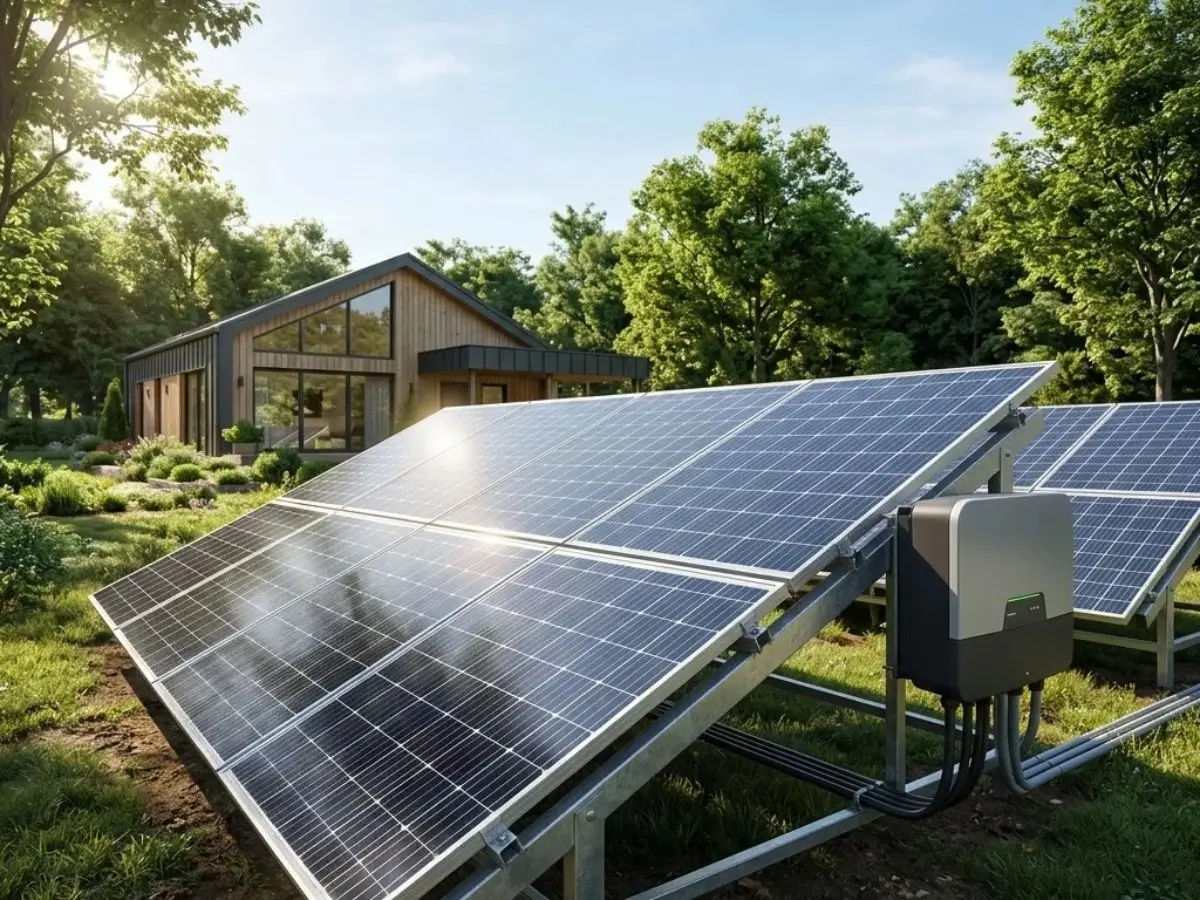
Solar power systems use photovoltaic (PV) panels to convert sunlight into electricity. These panels contain solar cells, usually made from semiconductor materials such as silicon. When sunlight reaches the cells, it creates an electrical current.
The electricity produced by solar panels is generally direct current (DC). An inverter converts it into alternating current (AC), which is used by most household appliances, lighting systems, and business equipment.
A typical solar power system may include:
- Solar panels: Capture sunlight and generate electricity.
- Inverter: Converts DC electricity into usable AC electricity.
- Mounting equipment: Secures panels to a roof or another suitable surface.
- Electrical components: Help connect and protect the system.
- Battery storage: Stores excess electricity for later use, if included.
Why Solar Power Is a Renewable Resource
Sunlight is naturally replenished, unlike fossil fuels that must be extracted and consumed. Solar panels can generate electricity whenever sufficient sunlight is available, making solar power a renewable energy option.
Although manufacturing, transporting, and installing solar equipment require energy and materials, solar systems generally produce electricity with much lower lifetime greenhouse gas emissions than fossil fuel based power generation.
2. Reduce Electricity Bills with Solar Power
Generate Your Own Electricity
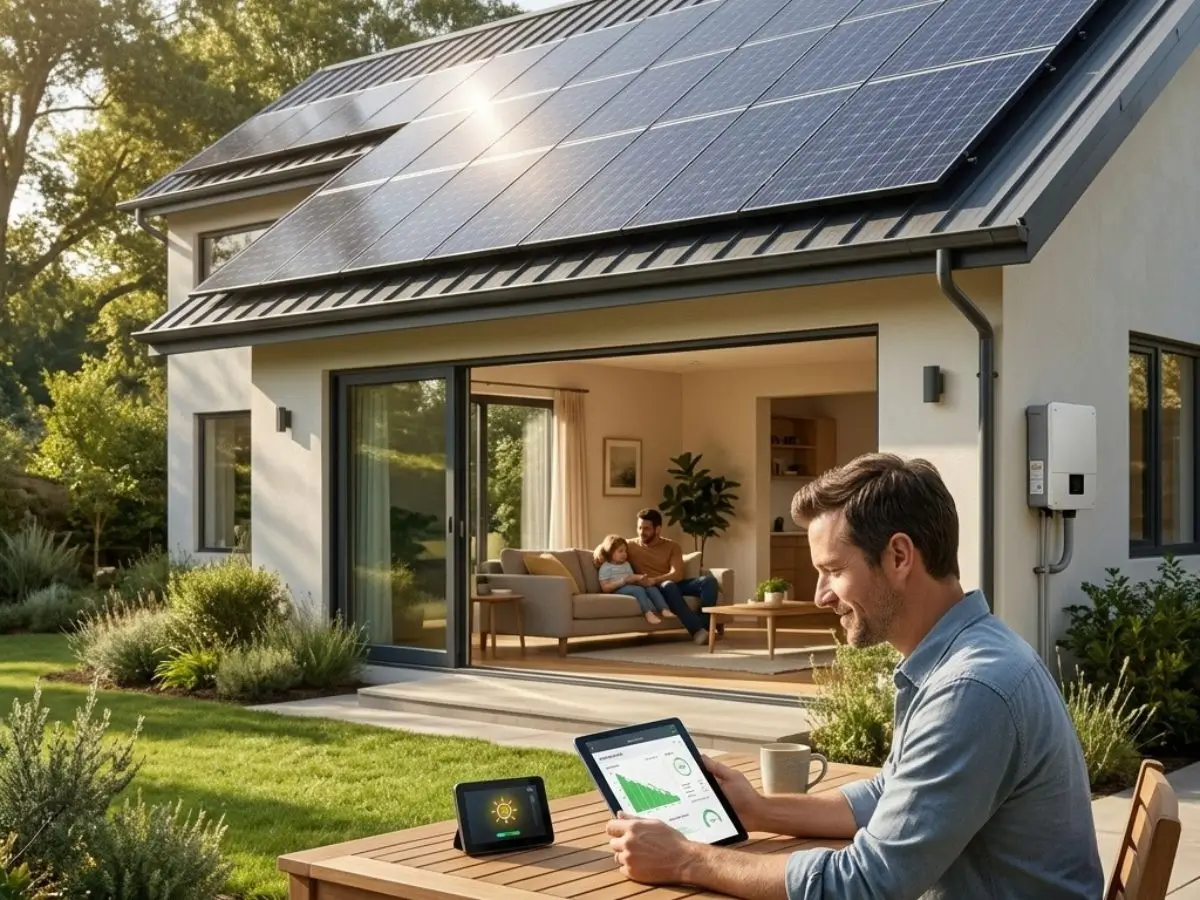
One of the most attractive benefits of solar power is the ability to produce electricity at your property. Instead of purchasing every unit of electricity from the grid, you can use the power generated by your own solar panels.
When your panels produce enough electricity, they can supply many of your daily needs, including lighting, fans, computers, refrigerators, and other appliances.
The more solar electricity you use directly, the less electricity you may need to purchase from your utility provider.
Make Better Use of Daylight Hours
Solar panels usually generate the most electricity during sunny daytime hours. This can be especially beneficial for households and businesses that use substantial electricity during the day.
For example, offices, shops, and homes with daytime air conditioning needs may be able to use a significant portion of their solar generation as it is produced.
Understand Your Potential Savings
Your actual savings depend on several factors, including system size, sunlight availability, electricity consumption, utility tariffs, and applicable export or net metering arrangements.
Before investing, review your electricity bills and identify how much power you use during daylight hours. This information can help determine If a solar installation is financially suitable.
3. Choose the Right Solar System for Your Needs
On Grid Solar Systems
An on grid system connects your solar installation to the public electricity grid. During sunny periods, your panels generate electricity for your property.
If your system produces more power than you need, surplus electricity may be exported to the grid where local regulations and utility arrangements permit it.
These systems are often suitable for properties with reliable grid access and favorable electricity export policies.
However, standard grid connected systems generally shut down during a grid outage for safety reasons unless they include approved backup equipment.
Off Grid Solar Systems
An off grid system operates independently of the public electricity network. It typically uses batteries to store electricity for nighttime use and periods of limited sunlight.
This arrangement can be useful for remote homes, agricultural properties, and locations where grid access is unavailable or unreliable.
However, off grid systems require careful planning. Battery capacity and solar generation must be sufficient to meet electricity needs during cloudy weather and periods of higher consumption.
Hybrid Solar Systems
Hybrid systems combine solar panels, battery storage, and a grid connection. They can supply electricity from solar panels, store excess energy, and use grid power when necessary.
Some hybrid systems can also provide backup electricity during outages when configured with suitable equipment.
The best option depends on your location, budget, electricity requirements, and the level of backup power you need.
4. Explore the Environmental Benefits of Solar Advantage
Lower Greenhouse Gas Emissions
Traditional electricity generation often relies on coal, oil, or natural gas. Burning these fuels releases carbon dioxide and other pollutants into the atmosphere.
Solar panels generate electricity without burning fuel during operation. By replacing some electricity that would otherwise come from fossil fuel based sources, solar power can help reduce greenhouse gas emissions.
Improve Local Air Quality
Fossil fuel power generation can release pollutants that contribute to air quality problems. Solar electricity does not produce these combustion emissions while generating power.
Greater use of solar energy can therefore support cleaner electricity production and contribute to improved environmental conditions, particularly when it replaces more polluting generation.
Support a More Sustainable Energy Mix
Solar power can work alongside wind, hydropower, and other renewable sources. Using a combination of energy technologies helps diversify electricity supplies and reduces reliance on a single source.
Solar panels also require responsible manufacturing, recycling, and disposal practices. Planning for the full life cycle of solar equipment is an important part of making renewable energy more sustainable.
5. Improve Energy Independence and Power Reliability
Depend Less on Traditional Electricity Sources
Generating electricity on your property gives you greater control over where some of your energy comes from. It can reduce your dependence on the grid and help protect you from certain changes in electricity prices.
However, solar panels do not automatically make a property completely energy independent. Your level of independence depends on system capacity, electricity usage, storage, and grid availability.
Use Battery Storage for Backup Power
Solar batteries store electricity that can be used when panels are not generating enough power, such as after sunset.
Depending on the system design, a battery may keep selected appliances running during a power outage. These could include essential lighting, communication devices, refrigerators, and other priority equipment.
A battery does not necessarily provide enough electricity to operate every appliance in a home. Its capacity and the loads connected to it should be planned carefully.
Prepare for Changing Energy Needs
Electricity consumption can increase when families add new appliances, businesses expand, or electric vehicles become part of everyday life.
A properly designed solar system can help meet some of these additional requirements. Before installation, consider future electricity needs so that the system can be planned with suitable capacity and expansion options.
6. Understand Solar Installation Costs and Financial Value
Consider the Initial Investment
Installing solar panels requires an upfront investment in equipment, labor, electrical components, and other installation requirements.
The total cost varies according to system capacity, panel quality, inverter technology, battery storage, roof conditions, and local installation rates.
It is important to compare complete system quotations rather than choosing an installer based only on the lowest advertised price.
Calculate the Long Term Financial Benefits
Solar systems can reduce electricity purchases over many years, but the financial return depends on how much electricity the system produces and how much of that electricity you can use or receive credit for.
Before making a decision, consider:
- Total installation cost.
- Expected annual electricity generation.
- Your current electricity tariff.
- Daytime electricity consumption.
- Battery replacement and maintenance costs.
- Warranty coverage.
- Applicable taxes, incentives, and utility policies.
A realistic financial estimate should include both potential savings and future expenses.
Check Incentives and Local Regulations
Some regions offer tax benefits, rebates, financing programs, or other incentives for solar installations. Electricity export policies also vary between locations and can change over time.
Always confirm the latest rules with the relevant utility provider or government authority before calculating your expected savings.
7. Maintain Your Solar System for Better Performance
Keep Solar Panels Clean
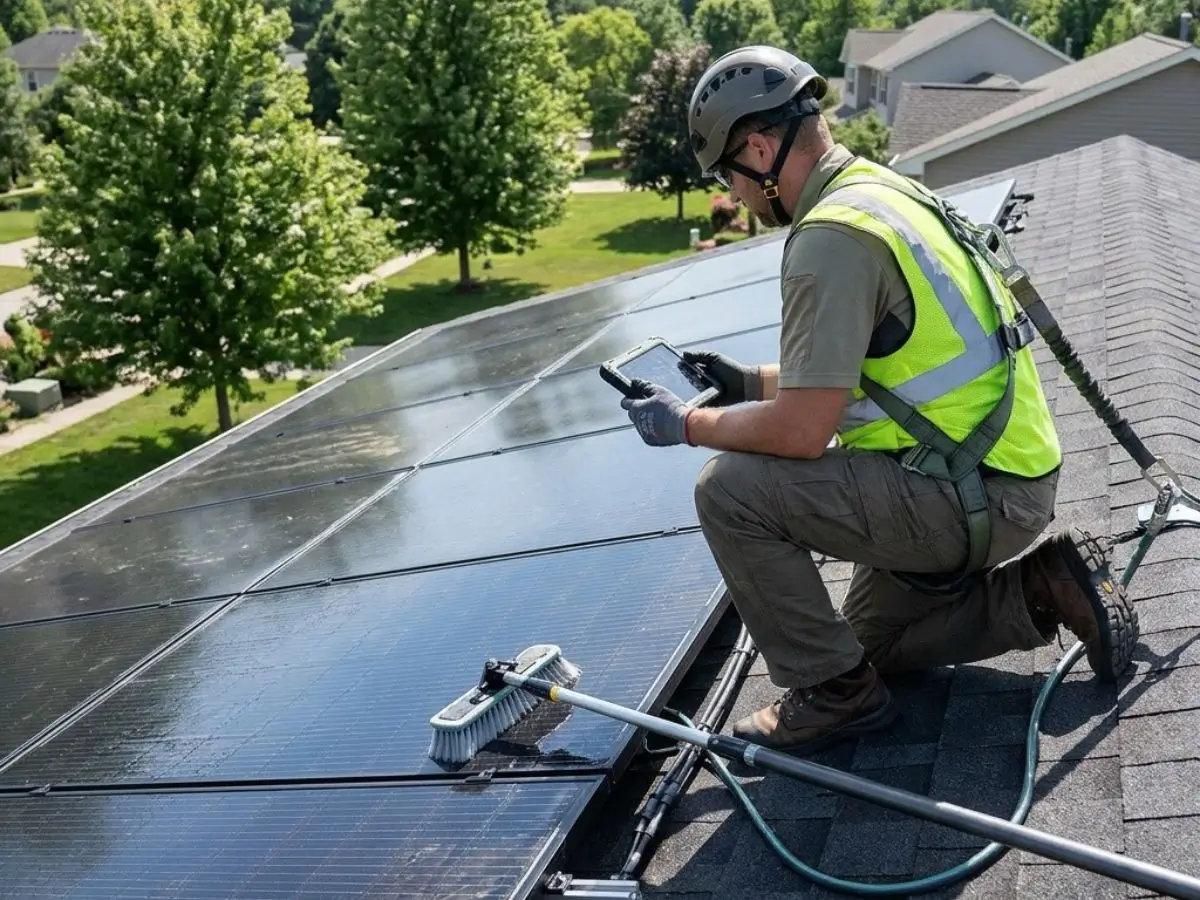
Dust, bird droppings, leaves, and other debris can reduce the amount of sunlight reaching solar cells. In areas with frequent dust or dry weather, panels may require periodic cleaning.
Follow the manufacturer’s instructions and use safe cleaning methods. Avoid walking on panels or using abrasive materials that could damage their surfaces.
Monitor Energy Production
Most modern inverters and solar systems provide monitoring tools that display electricity generation and system performance.
Checking these readings can help you notice unusual drops in output. However, changes in weather, seasonal daylight, and shading can also affect generation, so not every reduction indicates a technical problem.
Arrange Professional Inspections
A qualified solar technician can inspect electrical connections, mounting equipment, inverter performance, and other components.
Regular professional checks can help identify developing problems before they cause larger interruptions. Always follow the maintenance schedule recommended by the equipment manufacturer and installer.
8. Discover the Future Opportunities of Solar Power
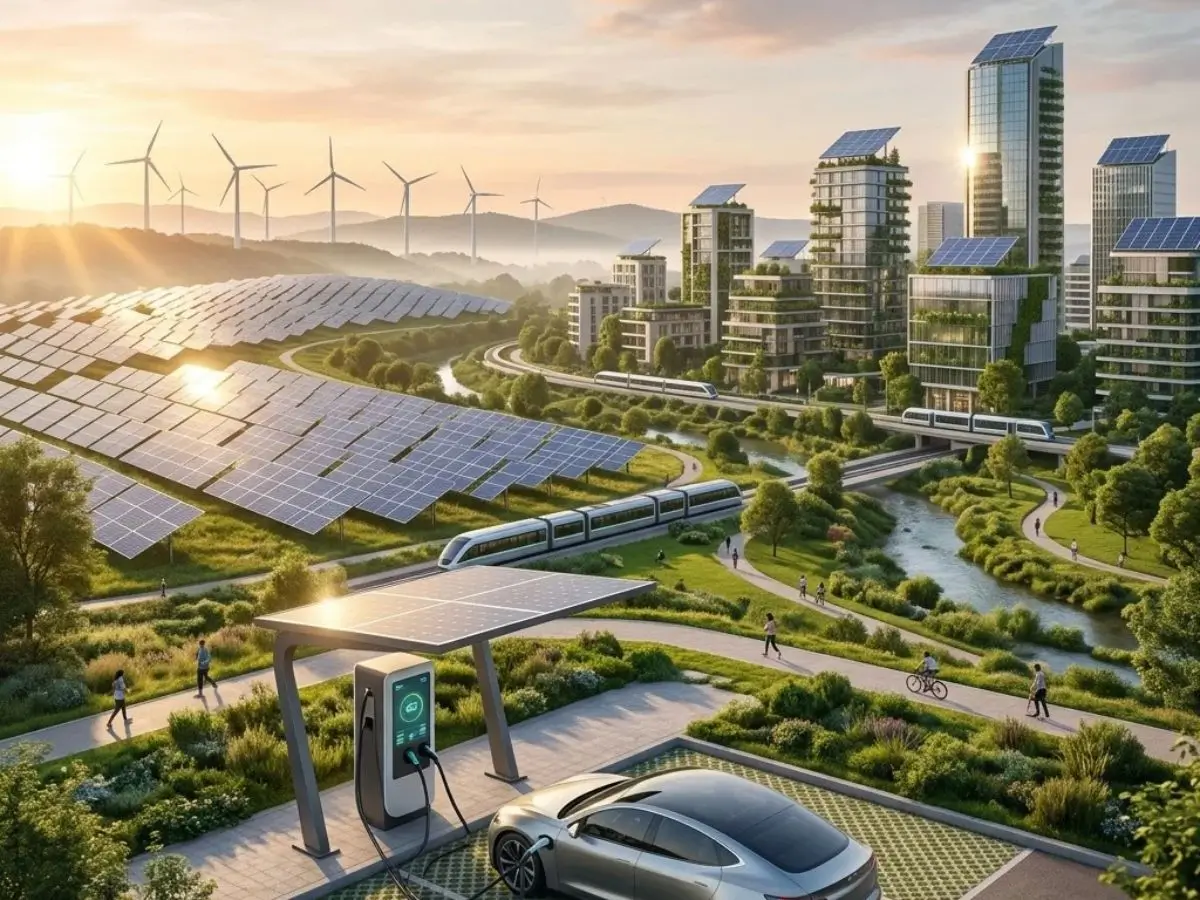
Solar Technology Is Continuing to Improve
Solar technology continues to develop, with improvements in panel efficiency, manufacturing processes, inverter design, and energy storage.
Newer technologies aim to generate more electricity from available space and improve system performance under different conditions. However, the best choice still depends on practical factors such as cost, product quality, warranty, and installation requirements.
Solar Power and Electric Vehicles
Solar electricity can also support electric vehicle charging. A home or business with a suitable solar system may use some of its daytime generation to charge an electric vehicle.
Smart charging equipment can help coordinate charging with periods of stronger solar production, reducing the need to purchase electricity from the grid.
Build a Cleaner Energy Future
Solar power is an important part of the transition toward cleaner energy. As technology improves and more households and businesses adopt renewable electricity, solar systems can contribute to a more diverse and sustainable energy supply.
The long term opportunity is not simply to install more panels. It is to combine efficient energy use, suitable storage, responsible manufacturing, and well planned electricity networks.
9. FAQS
What is the main Solar Advantage?
The main advantage is the ability to generate electricity from sunlight, a renewable resource. Solar power can help reduce electricity purchases, lower dependence on fossil fuel based electricity, and support a cleaner energy supply.
Can solar panels reduce monthly electricity bills?
Yes. Solar panels can reduce electricity bills by generating power that you use instead of purchasing from the grid. The amount saved depends on system size, energy consumption, sunlight, and local electricity policies.
Do solar panels work on cloudy days?
Yes. Solar panels can generate electricity in cloudy conditions because some sunlight still reaches them. However, their output is generally lower than on clear, sunny days.
Can solar panels provide electricity at night?
Solar panels do not generate electricity at night. A battery system can store excess daytime electricity for later use, while a grid connected property can draw electricity from the utility when needed.
How long do solar panels last?
Many modern solar panels are designed to operate for approximately 25 to 30 years or longer. Their electricity output gradually declines over time, and actual performance depends on product quality, installation, and environmental conditions.
Are solar systems expensive to install?
The initial cost can be significant, particularly when batteries are included. However, long term savings may make solar a worthwhile investment. Comparing quotations and calculating expected electricity savings can help you evaluate affordability.
Do solar panels require regular maintenance?
Solar panels generally require relatively little maintenance. Occasional cleaning, performance monitoring, and professional inspections can help keep the system operating properly.
Can solar power run an entire house?
Yes, a properly designed solar system can supply much or even all of a home’s electricity over a suitable period. However, achieving this depends on energy consumption, panel capacity, battery storage, weather, and grid arrangements.
Is solar energy environmentally friendly?
Solar electricity produces no direct air pollution or greenhouse gas emissions during operation. However, manufacturing and disposing of solar equipment require materials and energy, so responsible production and recycling remain important.
Conclusion
The Solar Advantage represents an opportunity to make electricity generation cleaner, more flexible, and potentially more affordable over the long term.
From reducing dependence on traditional power sources to supporting lower emissions, solar technology offers benefits for households, businesses, and the wider environment.
Its value becomes even greater when a system is carefully designed around actual electricity needs.
Choosing the right panels, inverter, and battery arrangement, comparing installation costs, and maintaining the equipment can help improve performance and long term results.
Solar power is not a perfect solution for every property, and its financial benefits depend on local conditions.
However, with proper planning, it can be a practical step toward greater energy control, potential bill savings, cleaner electricity, and a more sustainable future.

I’m Grace Anderson, a lifelong learner and writer with a habit of asking, “Why?” I love discovering the stories, facts, meanings, and explanations hiding behind ordinary questions. At Factopea, I turn my research into clear articles that readers can enjoy without needing complicated terminology. I believe learning does not always have to feel like studying—it can simply begin with one interesting question.
Books: Curiosity Has an Answer and Things You Never Noticed