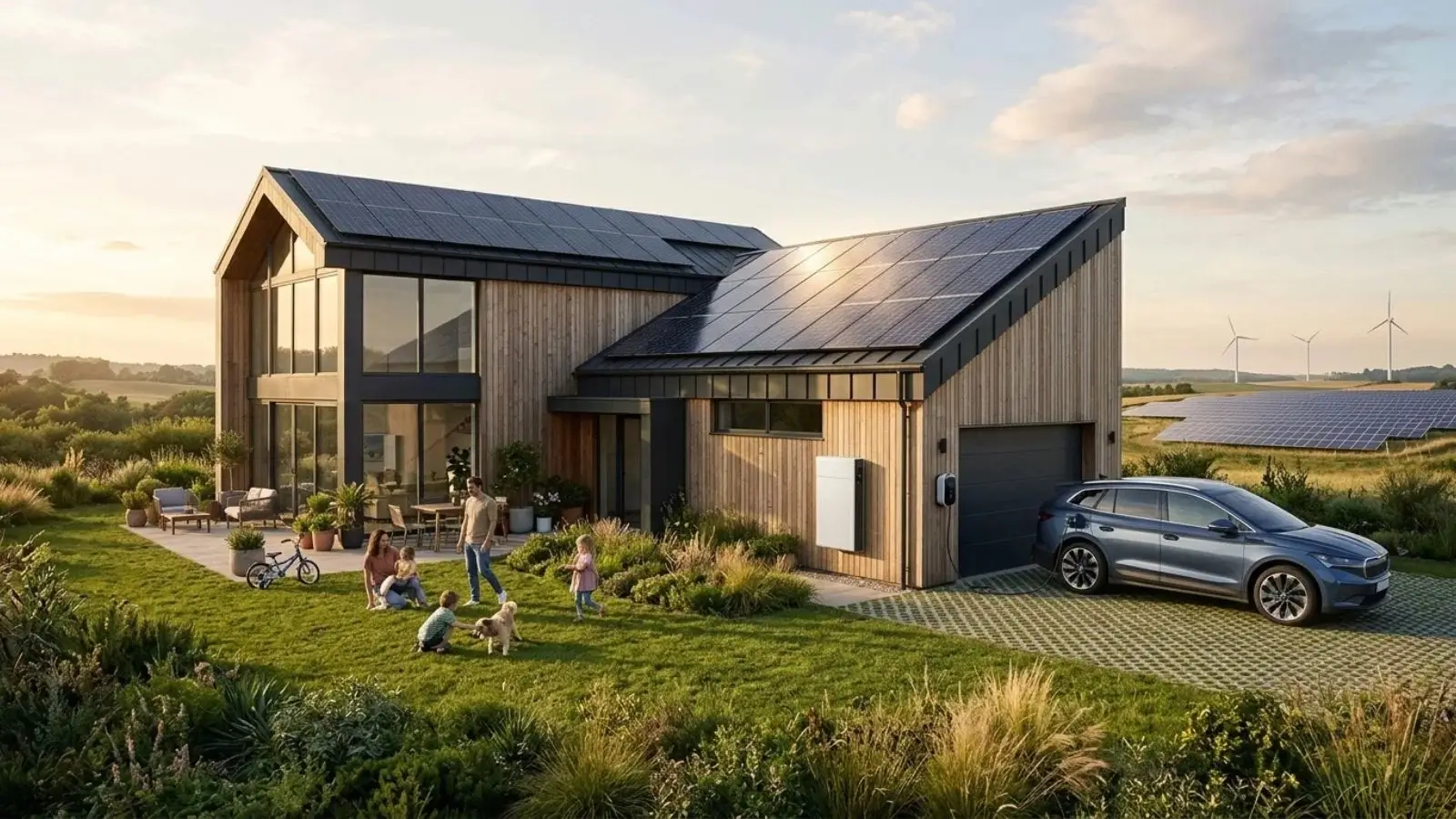
The way we power our homes, businesses, and industries is changing. Rising electricity costs, growing energy demands, and increasing environmental concerns have encouraged people to explore cleaner and more reliable alternatives.
Among these options, solar power has become one of the most practical solutions for generating electricity from a renewable natural resource.
Solar Power Solutions offer more than just an alternative to traditional electricity. They provide opportunities to reduce energy expenses, improve energy independence, support environmental protection, and meet different power requirements.
If you want to install solar panels at home, operate a commercial building, or provide electricity to a remote location, there are systems designed for different needs and budgets.
However, choosing the right solar setup requires understanding how the technology works, which system is suitable, and what benefits it can deliver over time.
This guide explores the essential features of solar power, its applications, installation considerations, and future opportunities to help you make an informed decision.
1. Explore Modern Solar Solutions
What Are Solar Power Solutions?
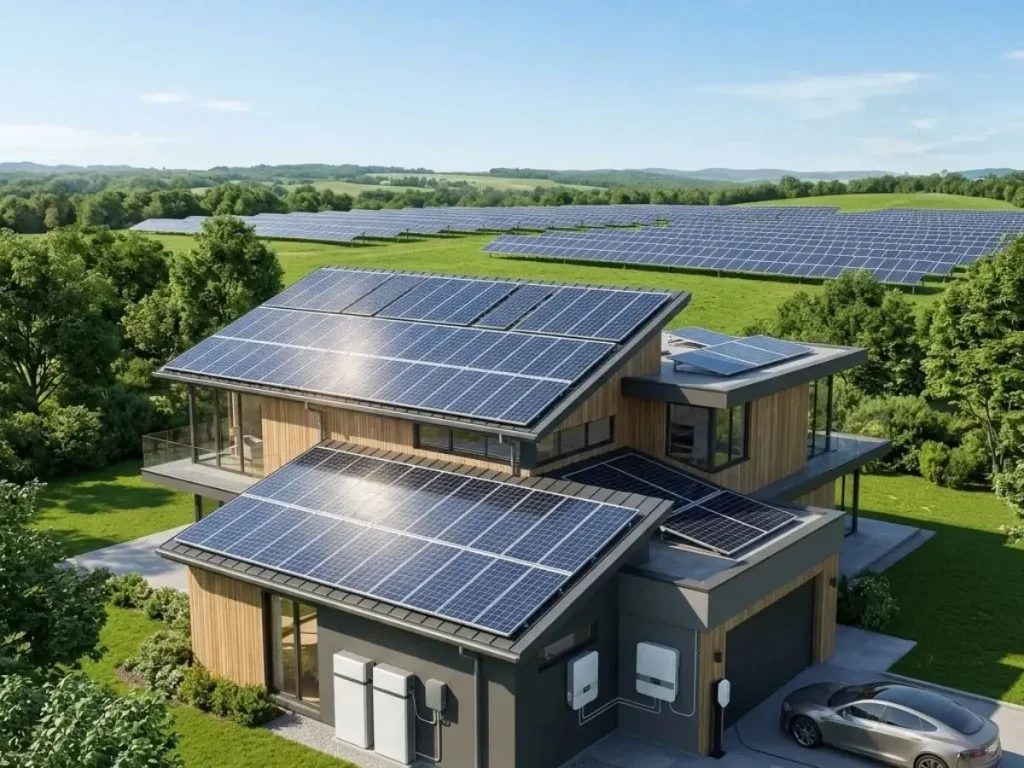
Solar power solutions are systems and technologies that capture sunlight and convert it into usable electricity. They can be designed for individual homes, offices, factories, farms, and large scale energy projects.
A complete solar setup may include photovoltaic panels, inverters, batteries, mounting structures, wiring, and monitoring equipment. Each component has a specific purpose, and together they create a system that converts sunlight into electricity for everyday use.
The size and design of a solar installation depend on how much electricity a property consumes, the available installation space, and If battery backup is required.
Why Solar Power Is Becoming Popular
Solar technology has become increasingly accessible as equipment options have expanded and installation practices have improved. People are exploring solar because it can help reduce dependence on conventional electricity sources.
It is particularly attractive in areas with abundant sunshine and high electricity costs. Homes and businesses can generate a portion of their own electricity instead of purchasing all their power from the grid.
Solar systems can also be expanded or combined with battery storage to support changing energy requirements.
2. Understand Solar Technology
How Solar Panels Generate Electricity
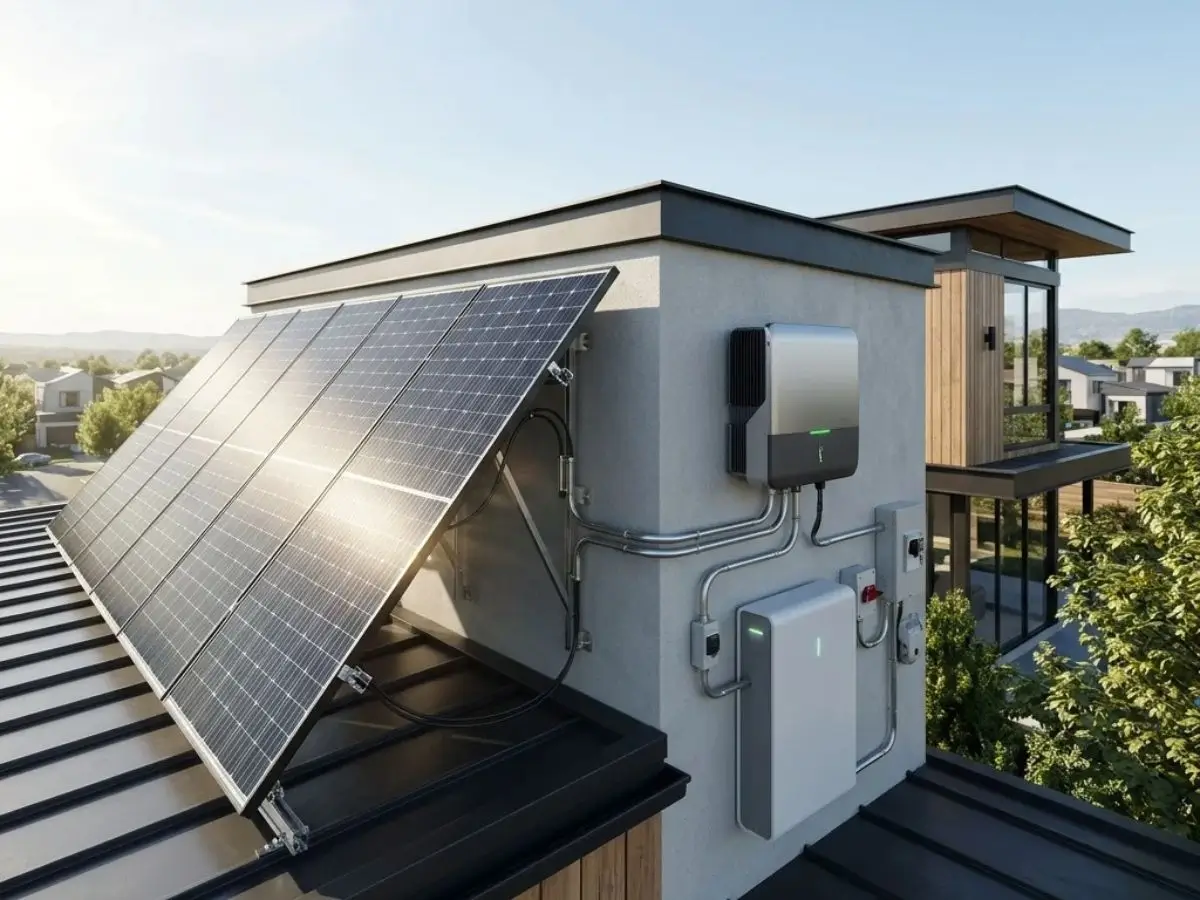
Most modern solar power systems use photovoltaic (PV) panels. These panels contain solar cells, commonly made from silicon based semiconductor materials.
When sunlight reaches the cells, it creates an electrical current. This process produces direct current (DC) electricity, which must usually pass through an inverter before it can power standard household and commercial appliances.
Solar panels do not need intense heat to work. In fact, excessive temperatures can reduce their electrical output, while sunlight is the primary resource required for generation.
Essential Solar System Components
A reliable solar installation combines several important components:
- Solar panels: Capture sunlight and produce DC electricity.
- Inverter: Converts DC electricity into alternating current (AC), which most appliances use.
- Battery storage: Stores excess electricity for later use.
- Mounting structures: Secure panels to rooftops or ground based installations.
- Protection equipment: Helps protect the system against electrical faults and other risks.
- Monitoring devices: Display electricity production and system performance.
Choosing compatible, quality components is essential for reliable operation and long term performance.
Solar Panel Technologies
Solar panels are available in different technologies.
Monocrystalline panels are widely used because they generally offer high efficiency and good power output relative to their size.
Polycrystalline panels use a different manufacturing process and have historically offered a lower cost alternative, although they are less common in some modern markets.
Thin film panels are lightweight and can be flexible, depending on their design. Their efficiency and applications differ from conventional crystalline panels.
The best choice depends on available space, budget, product specifications, and installation conditions.
3. Discover the Main Benefits
Reduce Electricity Expenses
One of the biggest attractions of solar power is the potential to lower electricity bills. When solar panels generate electricity, your property can use that power instead of purchasing the same amount from the grid.
Savings depend on system capacity, electricity consumption, local tariffs, and how much solar electricity is used directly.
For better results, households and businesses can schedule suitable activities, such as running washing machines or other flexible appliances, during periods of strong solar production.
Support Cleaner Energy
Solar panels generate electricity without burning fossil fuels during operation. This helps reduce dependence on conventional power generation and can lower greenhouse gas emissions when solar electricity replaces fossil fuel based electricity.
Although manufacturing and transporting solar equipment require materials and energy, solar power generally has a lower lifetime carbon footprint than electricity generated from fossil fuels.
Improve Energy Independence
Producing electricity at your own property gives you greater control over part of your energy supply. This can reduce exposure to some electricity price changes and provide more flexibility in managing energy consumption.
When combined with suitable battery storage, a solar system can also provide backup electricity for selected appliances during grid interruptions.
Add Long Term Value
Solar panels are designed to operate for many years, making them a potential long term energy investment.
A well planned system can provide years of electricity production, although its financial value depends on installation costs, maintenance, equipment performance, electricity prices, and local regulations.
4. Choose the Right Solar System
On Grid Solar Systems
An on grid solar system connects directly to the public electricity network. During daylight hours, solar panels supply electricity to the property. If production exceeds immediate consumption, surplus electricity may be exported to the grid where local utility policies allow it.
These systems are often suitable for properties with reliable grid access.
However, standard grid connected systems normally shut down during a power outage for safety reasons unless approved backup equipment is installed.
Off Grid Solar Systems
An off grid system operates independently of the public electricity network. It typically uses batteries to store electricity for nighttime use and periods when sunlight is limited.
These systems can be useful for remote homes, agricultural locations, and properties without reliable grid access.
Proper planning is essential because the panels and batteries must be capable of meeting electricity needs during cloudy weather and periods of higher consumption.
Hybrid Solar Systems
Hybrid systems combine solar panels, batteries, and a grid connection. They can supply electricity directly from solar panels, store excess energy, and draw electricity from the grid when necessary.
Depending on the inverter and system design, hybrid installations can also provide backup electricity during outages.
They are a flexible option for users who want both grid connectivity and greater control over their energy supply.
How to Select the Best Option
Before choosing a system, consider:
- Your average monthly electricity consumption.
- Available rooftop or ground installation space.
- Local sunlight and weather conditions.
- If battery backup is necessary.
- Your installation budget.
- Local utility connection and export regulations.
A qualified solar installer can evaluate these factors and recommend a suitable system.
5. Explore Practical Solar Applications
Residential Solar Solutions
Homeowners can use solar power to operate lighting, fans, refrigerators, computers, air conditioners, and other household equipment.
A rooftop solar system can reduce the amount of electricity purchased from the utility provider. Battery storage can provide additional flexibility by storing electricity for evening use or backup needs.
The system should be designed according to the household’s actual consumption rather than simply choosing the largest available installation.
Commercial and Industrial Solutions
Businesses often have substantial electricity requirements for lighting, cooling, machinery, computers, and production equipment.
Solar installations can help reduce operating electricity expenses, especially when energy consumption occurs during daylight hours.
Factories, warehouses, offices, retail stores, and educational institutions may all benefit from appropriately designed solar systems.
Agricultural Solar Solutions
Solar technology can support farming activities in areas where electricity access is limited or expensive.
Common applications include:
- Solar powered water pumps.
- Irrigation systems.
- Greenhouse electricity.
- Livestock watering facilities.
- Agricultural storage and cooling equipment.
Solar water pumps can be particularly useful in sunny agricultural regions, although their capacity must match water requirements and seasonal conditions.
Community and Public Infrastructure
Solar power can also support schools, healthcare facilities, streetlights, communication equipment, and community buildings.
In remote areas, properly designed solar systems can improve access to essential electricity services without requiring extensive grid infrastructure.
6. Plan Installation and Costs
Evaluate Your Energy Requirements
The first step in installing solar is understanding how much electricity your property uses.
Review recent electricity bills and identify your average monthly consumption. Also consider when electricity is used because daytime consumption can directly influence the value of a solar installation.
A professional assessment should examine roof condition, available space, shading, panel orientation, and electrical infrastructure.
Understand the Installation Budget
The overall cost of a solar system depends on several factors:
- Solar panel capacity and technology.
- Inverter type and quality.
- Battery capacity, if required.
- Mounting equipment and wiring.
- Installation labor.
- Electrical protection and additional equipment.
Battery based systems usually require a higher initial investment than comparable systems without storage.
Request detailed quotations from multiple installers and compare equipment specifications, warranties, installation standards, and after sales support.
Calculate Long Term Savings
A solar system’s financial performance depends on how much electricity it generates and how much of that electricity replaces purchased power.
Consider the installation cost, estimated annual generation, electricity tariffs, maintenance expenses, battery replacement requirements, and any available incentives.
Avoid relying on unrealistic savings promises. A professional financial estimate should use your actual electricity consumption and local utility rules.
Check Local Policies
Solar connection rules, electricity export arrangements, taxes, and financial incentives vary between regions.
Before installation, confirm the latest requirements with the relevant utility provider and local authorities. This is particularly important if you plan to export surplus electricity to the grid.
7. Maintain Your Solar Investment
Keep Panels Clean
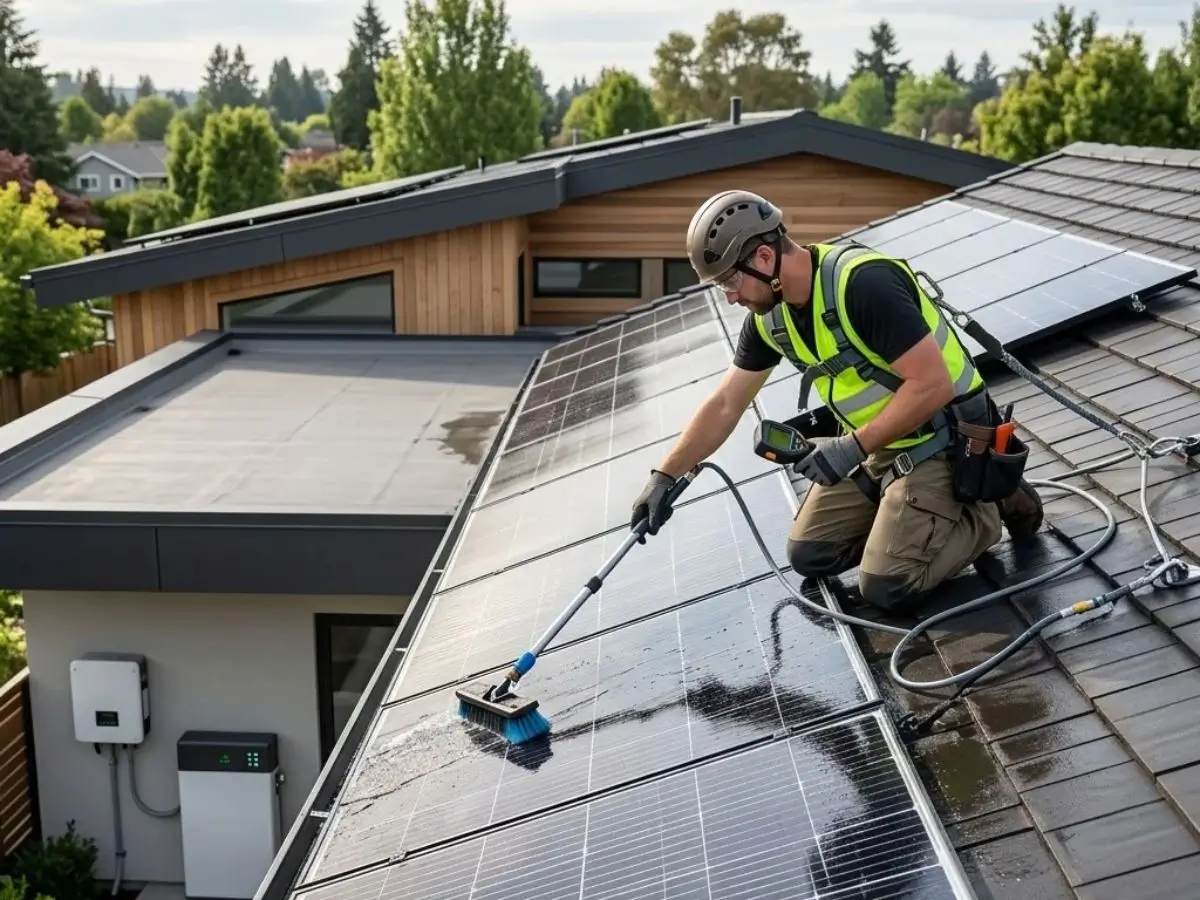
Dust, leaves, bird droppings, and other debris can block sunlight and reduce panel output.
Cleaning requirements depend on the local environment. Properties in dusty areas may need more frequent cleaning than installations in regions with regular rainfall.
Always follow the manufacturer’s instructions and use safe cleaning methods. Avoid walking on panels or using harsh materials that could damage their surfaces.
Monitor System Performance
Most modern solar inverters offer monitoring applications or displays that show electricity generation and system activity.
Regularly checking these readings can help you identify unusual changes in production.
Remember that cloudy weather, seasonal daylight, shading, and high temperatures can affect electricity generation. A drop in output does not always mean that the system has a technical problem.
Inspect Important Components
Inverters, electrical connections, mounting structures, and batteries should be inspected according to manufacturer recommendations.
Professional inspections can identify loose connections, damaged cables, corrosion, or other problems before they become serious.
Do not attempt to repair electrical components yourself unless you have the appropriate qualifications.
Protect Equipment with Proper Warranties
Before purchasing a system, review the warranties for panels, inverters, batteries, and installation work.
Check what each warranty covers, how long it lasts, and what conditions apply. Good documentation and access to professional support can make system ownership easier over time.
8. Look Ahead to Solar Innovation
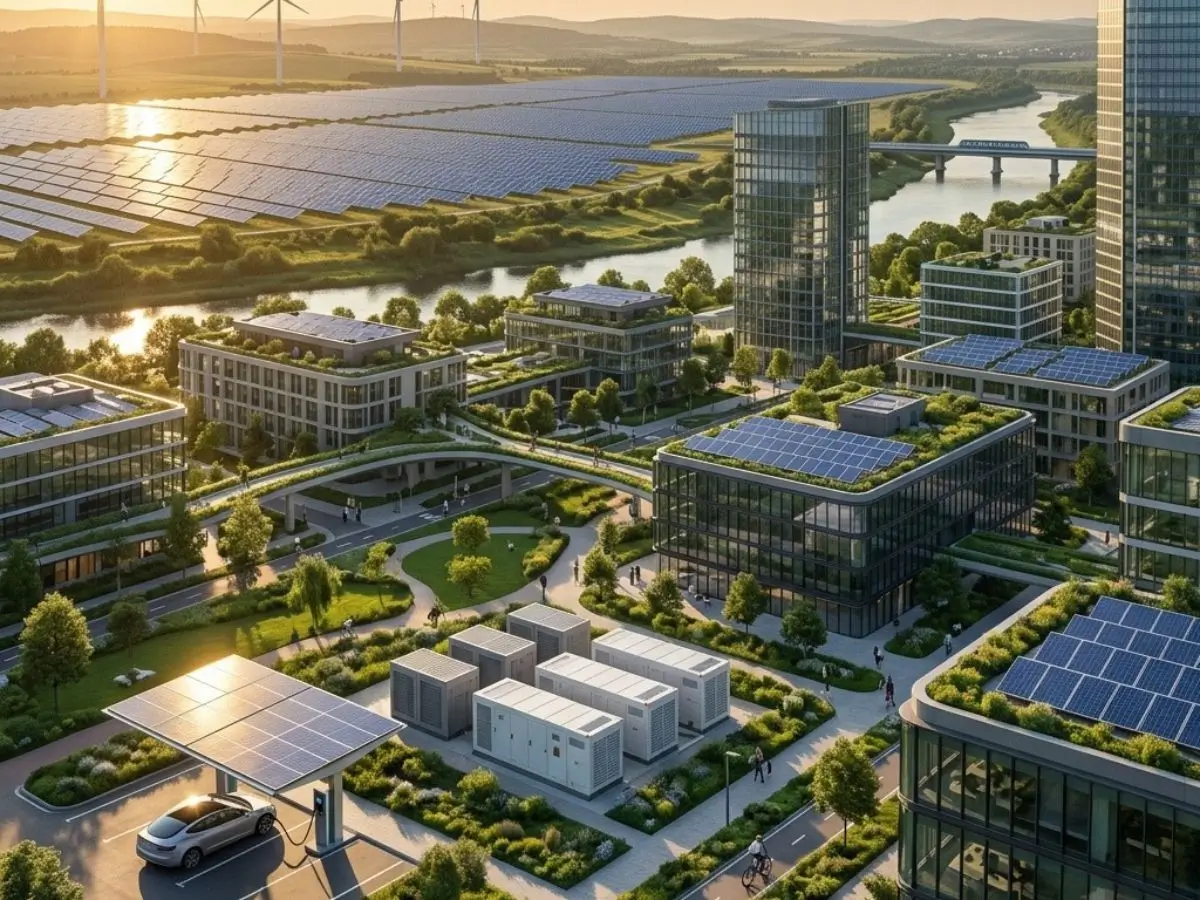
More Efficient Solar Technology
Solar technology continues to develop as manufacturers work to improve panel efficiency, durability, and performance.
Advances in cell design and manufacturing are creating new opportunities for producing more electricity from limited installation space.
Emerging technologies, including perovskite based solar cells, are also being researched. Their commercial use and long term performance are still developing, so buyers should distinguish between established products and experimental technologies.
Smarter Energy Storage
Battery technology is becoming an important part of modern solar installations.
Improved energy storage can help households and businesses use more of their own solar electricity after sunset and during periods of low production.
Smart energy management systems can also coordinate batteries, appliances, and electricity supply to improve energy use.
Solar Powered Transportation
Solar electricity can support electric vehicle charging at homes, offices, and public charging locations.
A suitable solar installation can provide some of the electricity needed to charge an electric vehicle, reducing reliance on conventional grid power.
Smart charging systems can help schedule charging when solar generation is stronger.
A More Sustainable Energy Future
Solar power is expected to remain an important part of the global renewable energy transition. Its potential extends beyond individual rooftops to commercial facilities, community projects, agricultural systems, and large solar farms.
Combining solar power with energy storage, efficient appliances, and modern electricity networks can create more flexible energy systems.
The future of solar technology will depend not only on better equipment but also on responsible manufacturing, recycling, practical policies, and affordable access.
9. FAQS
What are solar power solutions?
Solar power solutions are systems that use sunlight to generate electricity for homes, businesses, industries, and other applications. They typically include solar panels, inverters, mounting equipment, and optional battery storage.
What is the best solar system for a home?
The best system depends on electricity consumption, budget, grid reliability, and backup requirements. On grid systems suit many grid connected properties, while hybrid and off grid systems may be better where battery backup or independence is important.
Can solar power run an entire house?
Yes, a properly sized solar system can supply much or even all of a home’s electricity needs over a suitable period. However, performance depends on panel capacity, sunlight, energy consumption, and battery storage.
Do solar panels work during cloudy weather?
Yes. Solar panels can generate electricity from indirect sunlight, but their output is generally lower on cloudy days than under clear skies.
Can solar panels provide electricity at night?
Solar panels do not generate electricity at night. However, a battery can store excess daytime electricity for later use, or a grid connected property can draw power from the utility.
How long do solar panels last?
Many modern solar panels are designed to operate for approximately 25 to 30 years or longer. Their electricity output gradually declines over time, and actual lifespan depends on quality, installation, and environmental conditions.
Are solar power solutions expensive?
The initial investment can be significant, especially when battery storage is included. However, potential long term electricity savings may make solar a worthwhile option. Costs vary by system size, equipment, location, and installation requirements.
Do solar systems require regular maintenance?
Solar systems generally require relatively little maintenance. Periodic cleaning, performance monitoring, and professional inspections help maintain safe and efficient operation.
Are solar power solutions environmentally friendly?
Solar systems generate electricity without direct combustion emissions during operation. Their manufacturing and disposal still involve materials and energy, but their lifetime environmental impact is generally lower than that of fossil fuel based electricity.
Can businesses benefit from solar power solutions?
Yes. Businesses can use solar electricity to reduce grid consumption, manage operating costs, and support sustainability goals. The benefits depend on energy usage patterns, installation costs, and local electricity policies.
Conclusion
Solar Power Solutions are helping households, businesses, farms, and communities explore smarter ways to meet their electricity needs.
By using sunlight to generate renewable electricity, these systems can reduce dependence on conventional power sources, offer potential long term savings, and support a cleaner environment.
The right solution depends on your energy requirements, available space, budget, and local electricity conditions.
Understanding the differences between on grid, off grid, and hybrid systems can help you choose equipment that fits your needs.
Proper installation, suitable battery storage, and regular maintenance can also improve long term performance.
Solar power is not a one size fits all answer, but it offers valuable opportunities for people who want greater control over their energy use.
With careful planning and the right technology, investing in solar can be a meaningful step toward lower electricity expenses, improved energy flexibility, and a more sustainable future.

I’m James Anderson, a curious researcher and writer who loves discovering interesting facts and exploring the stories behind them. I enjoy writing about history, science, culture, nature, geography, and the surprising details of everyday life. I aim to turn reliable information into simple, engaging content that helps readers learn something new and useful.
Books by James Anderson:
- The Fascinating World of Facts
- 1000 Things You Never Knew