
Technology has changed the way we communicate, build relationships, share ideas, and understand the world around us.
A conversation that once required a face to face meeting can now happen through a video call, while social media allows people to stay connected across countries and time zones.
These changes have made communication faster and more convenient than ever.
However, the relationship between technology and social interactions is more complicated than simply bringing people closer together.
Digital tools can strengthen friendships, create learning opportunities, and introduce us to different cultures.
At the same time, excessive screen time and online distractions can affect our attention, privacy, and real world relationships.
Understanding these changes helps us use technology more thoughtfully. The goal is not to avoid digital tools but to make sure they improve our lives without replacing the meaningful human connections we all need.
1. Connection Has Changed

In the past, staying in touch often meant visiting someone, making a phone call, or sending a letter. Today, messaging apps, video calls, and social platforms allow people to communicate almost instantly.
This shift has made long distance relationships easier to maintain. Families living in different countries can celebrate special occasions through video calls, while friends can share everyday moments without being physically together.
Technology also helps people reconnect with old classmates, relatives, and colleagues.
Yet convenience does not always guarantee closeness. A quick message may keep a conversation going, but it cannot always communicate the warmth of a personal visit or the comfort of being physically present.
The key is to choose the right way to connect. Use digital communication to stay in touch between meetings, but make time for deeper conversations whenever possible.
2. Social Media Shapes Culture
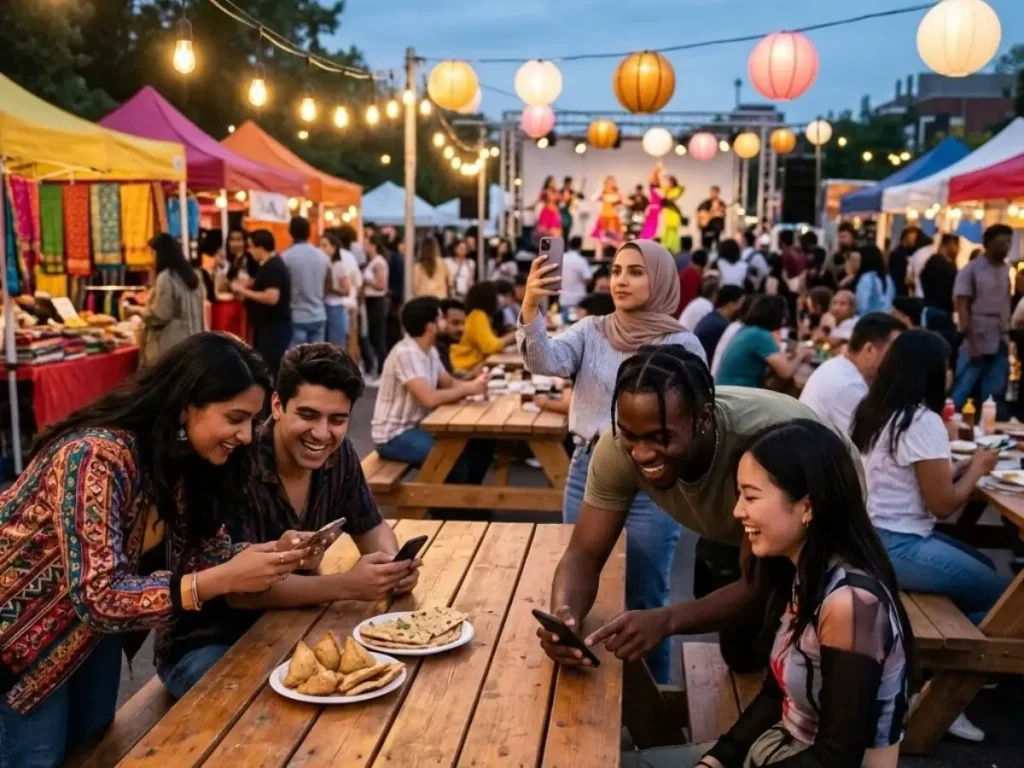
Social media has become a powerful space where people discover trends, exchange opinions, share experiences, and express their identities.
Music, fashion, language, food, and entertainment can travel across the world in just a few hours.
For example, a traditional recipe shared by a home cook can introduce thousands of people to another culture.
A local artist can reach an international audience without needing support from a large organization. These opportunities allow diverse voices and creative ideas to gain attention.
However, social media can also encourage unrealistic expectations. Carefully edited photos and carefully selected life updates may create the impression that everyone else is happier, wealthier, or more successful.
To maintain a healthy perspective, remember that online profiles show only part of a person’s life. Explore different viewpoints, appreciate cultural differences, and avoid measuring your own progress against someone else’s highlight reel.
3. Friendships Go Digital
Digital communication has changed how friendships begin, grow, and continue. People can meet through shared interests, gaming communities, online classes, professional networks, and discussion groups.
For those who struggle to find like minded people nearby, online communities can provide a valuable sense of belonging.
Technology also helps existing friendships survive busy schedules and physical distance. A thoughtful message, a shared photograph, or a regular video call can remind someone that they are valued.
Still, online interaction requires care. Not every person is who they claim to be, and frequent messaging does not automatically mean a relationship is trustworthy or emotionally supportive.
Strong friendships depend on honesty, respect, reliability, and mutual effort. If a friendship develops online or offline, give it time to grow.
Protect your personal information, respect boundaries, and make room for conversations that go beyond likes and emojis.
4. Communication Is Faster
One of technology’s biggest advantages is speed. Emails, instant messages, collaborative platforms, and video meetings help people exchange information quickly.
Students can work together remotely, colleagues can coordinate projects, and families can share important updates without waiting for everyone to be in the same place.
Digital communication also offers flexibility. People can respond when their schedules allow, share documents, and revisit written information whenever needed.
However, fast communication can create new misunderstandings. A short message may sound rude even when the sender did not intend it that way. Sarcasm, humor, and emotion can be difficult to interpret without facial expressions or vocal tone.
Before reacting to a message, consider its context. If a topic is sensitive or complicated, choose a phone call or face to face conversation instead.
Taking a moment to clarify someone’s meaning can prevent unnecessary conflict and protect relationships.
5. Real Life Bonds Still Matter
Although technology makes it easier to communicate, in person interactions remain important. Facial expressions, body language, eye contact, and tone of voice often communicate feelings that words alone cannot fully express.
Spending time together also creates shared experiences. Having dinner with family, walking with a friend, or talking without distractions can strengthen trust and emotional connection.
Problems may arise when digital devices repeatedly interrupt these moments. Checking notifications during a conversation can make others feel ignored, even if the interruption lasts only a few seconds.
A practical solution is to establish simple boundaries. Keep phones away during meals, silence nonessential notifications during important conversations, and set aside time for activities that encourage genuine interaction.
Technology should support your relationships, not compete with the people sitting beside you.
6. Culture Travels Faster
Technology has made cultural exchange more accessible. Streaming platforms, online museums, digital libraries, podcasts, and social networks introduce people to traditions, languages, art, and perspectives they might never encounter otherwise.
Someone can learn about another country’s celebrations, listen to regional music, or watch a documentary about a historical community without leaving home.
This access can encourage curiosity and help people recognize the many ways human beings live and express themselves.
At the same time, cultural information can lose context when it spreads rapidly online. Traditions may be simplified, stereotypes may be repeated, and inaccurate information may be presented as fact.
Responsible cultural exploration means looking beyond viral posts. Learn from reliable sources and, where possible, listen to people who belong to the culture being discussed.
Appreciate differences without assuming that one person’s experience represents an entire community.
Used thoughtfully, technology can make cultural understanding deeper rather than simply making cultural trends more popular.
7. Privacy Needs Protection

Modern social interactions often leave digital traces. Photos, comments, location details, private messages, and personal opinions can become part of an online record.
While sharing can help people feel connected, it also creates questions about privacy and consent.
A photograph posted casually today may be copied, shared, or viewed by an unintended audience later. Similarly, accepting unknown contacts or clicking suspicious links can expose people to scams and other online risks.
Protecting yourself does not require avoiding social platforms altogether. Start by reviewing account privacy settings, using strong and unique passwords, and enabling two factor authentication where available.
Think carefully before sharing sensitive details, including your location, financial information, or private conversations.
Respect other people’s privacy as well. Ask permission before posting identifiable photos or sharing personal information about someone else.
Healthy digital relationships depend on trust, and trust includes knowing when information should remain private.
8. Balance Screen and Life

Technology becomes more useful when it has a clear place in daily life. Constant notifications, endless scrolling, and pressure to respond immediately can take attention away from sleep, work, hobbies, and meaningful conversations.
A balanced approach does not require abandoning social media or deleting every app. Instead, focus on how digital habits affect your mood, time, and relationships.
Try these practical steps:
- Set screen boundaries: Choose specific times for checking social media instead of opening apps automatically.
- Protect important moments: Keep devices away during meals, family time, and serious conversations.
- Choose meaningful content: Follow accounts that educate, inspire, or genuinely interest you.
- Make room for offline activities: Spend time reading, exercising, exploring nature, or meeting friends.
- Review your habits: Notice which apps help you connect and which leave you distracted or drained.
The best routine is one that fits your real needs. Small, consistent changes can help you enjoy the benefits of technology while staying present in everyday life.
9. FAQs
How does technology affect social interactions?
Technology makes communication faster and helps people maintain relationships across distances. However, excessive use may reduce face to face interaction, create misunderstandings, and distract people from conversations happening around them.
Can technology improve relationships?
Yes. Video calls, messaging apps, and online communities can strengthen relationships by helping people stay in touch, share experiences, and find support. Healthy relationships still require trust, attention, and genuine effort.
Does social media affect cultural identity?
Social media can influence cultural identity by exposing people to new ideas, traditions, languages, and lifestyles.
It can encourage cultural appreciation, but it may also spread stereotypes or unrealistic expectations when content lacks context.
How can people use technology more responsibly?
People can use technology responsibly by protecting personal information, verifying online content, respecting consent, setting screen time boundaries, and choosing meaningful communication over constant digital engagement.
Will technology replace face to face communication?
Technology will continue to change communication, but face to face interaction remains valuable for emotional understanding, trust, and shared experiences. The strongest approach combines digital convenience with meaningful real world connections.
Conclusion: Connect with Purpose
Technology and social interactions are closely connected in today’s world. Digital tools have transformed communication, expanded cultural awareness, and created new ways to build friendships and communities.
They have also introduced challenges involving privacy, distraction, misinformation, and the quality of personal relationships.
The answer is not to reject technology or depend on it for every interaction. It is to use digital tools with intention, respect, and balance.
Stay connected with people who matter, explore perspectives beyond your own, protect your privacy, and make time for conversations without screens.
When technology supports rather than controls our choices, it can help create a more connected, informed, and understanding society.
Discover More Post
- Balancing Work: Make Room for Life
- Art and Cultural Identity: Stories That Shape Us
- Mindfulness and Fitness: Find Your Balance

I’m Grace Anderson, a lifelong learner and writer with a habit of asking, “Why?” I love discovering the stories, facts, meanings, and explanations hiding behind ordinary questions. At Factopea, I turn my research into clear articles that readers can enjoy without needing complicated terminology. I believe learning does not always have to feel like studying—it can simply begin with one interesting question.
Books: Curiosity Has an Answer and Things You Never Noticed