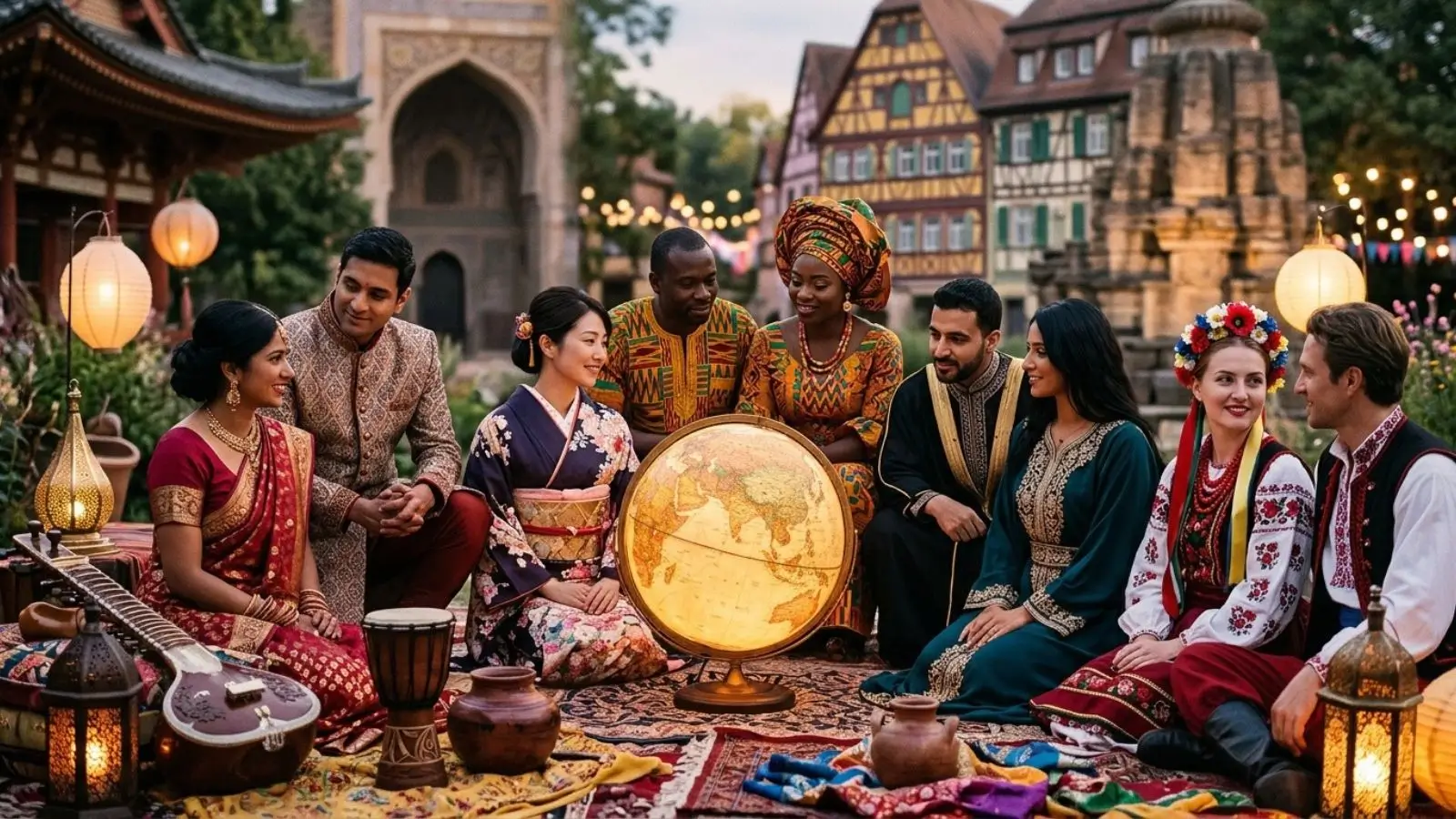
The world is full of fascinating cultures, meaningful traditions, and customs that reflect how people live, celebrate, communicate, and connect with one another.
From colorful festivals and traditional foods to family celebrations and ancient art forms, every culture has something valuable to share.
Exploring global cultures and traditions helps us see beyond our own experiences. It introduces us to different perspectives, strengthens mutual understanding, and reveals how people around the world express their values, history, and identity.
If you enjoy traveling, learning about history, discovering international cuisines, or understanding different ways of life, exploring cultures can be a rewarding experience. The key is to approach every tradition with curiosity, respect, and an open mind.
Why Cultures Matter
Culture influences how people communicate, celebrate important moments, build relationships, and understand the world around them.
It includes language, beliefs, music, food, clothing, art, social customs, and shared experiences passed from one generation to another.
Culture also gives people a sense of belonging. Family stories, community celebrations, traditional crafts, and familiar foods can connect individuals to their roots, even when they live far from their birthplace.
Understanding different cultures offers several benefits:
- Builds empathy: Learning about other people’s experiences helps us understand perspectives beyond our own.
- Improves communication: Cultural awareness can reduce misunderstandings in personal and professional relationships.
- Preserves heritage: Learning about traditions encourages communities to protect their history and cultural knowledge.
- Encourages curiosity: Exploring unfamiliar customs helps us become more open to new ideas and experiences.
Culture is not something that belongs only in museums or history books. It continues to evolve as people interact, travel, migrate, and share ideas across borders.
Traditions That Connect Generations
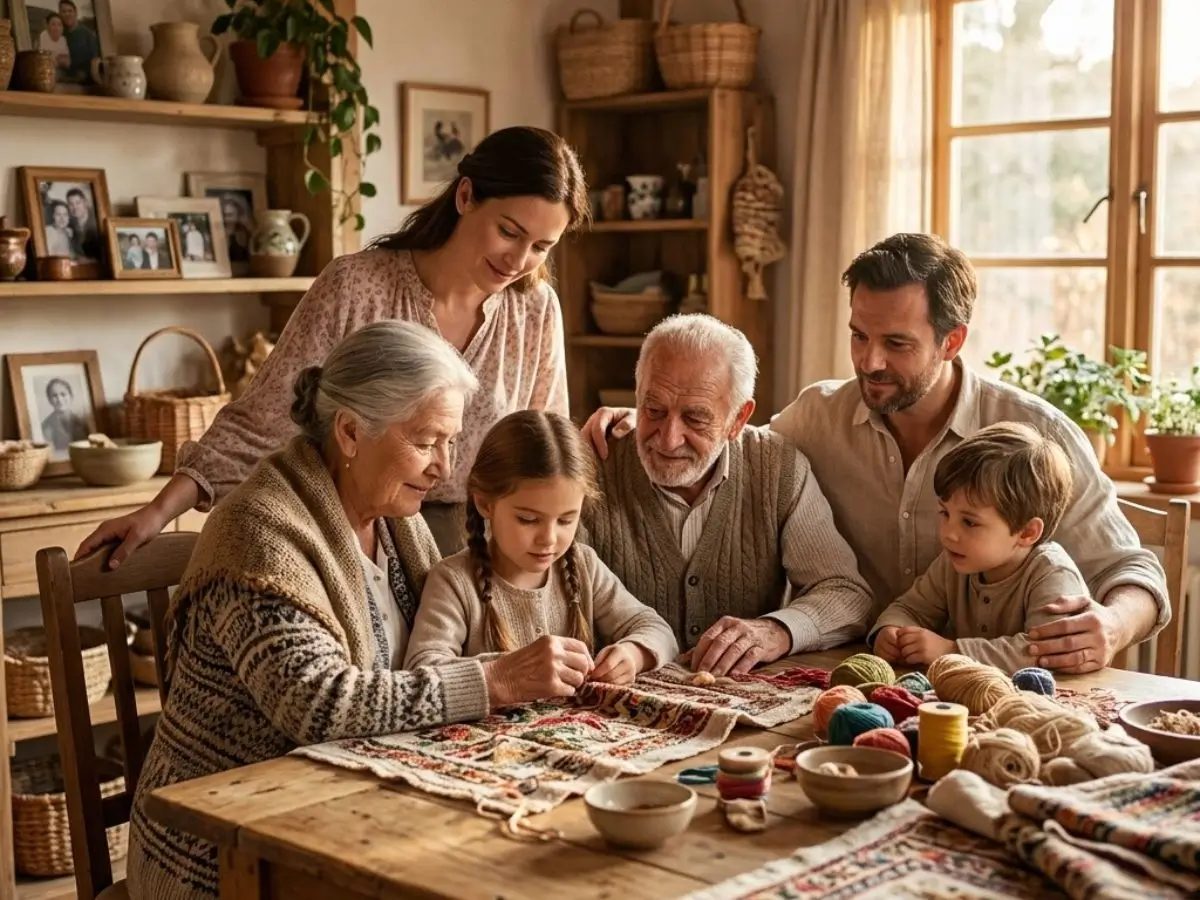
Traditions are practices, customs, and celebrations that communities pass from one generation to another.
Some have existed for centuries, while others have developed more recently in response to changing lifestyles and social values.
Family gatherings, wedding ceremonies, seasonal celebrations, and religious observances often carry meanings that go beyond the activity itself.
They may represent gratitude, unity, remembrance, hospitality, or hope for the future.
In many cultures, older family members teach younger generations traditional recipes, songs, dances, crafts, and stories.
These shared experiences help preserve cultural knowledge and strengthen relationships between generations.
However, traditions are not always followed in exactly the same way. Younger generations may adapt certain practices to fit modern lifestyles, while families living abroad may combine customs from their heritage with those of their new communities.
This evolution does not automatically mean a tradition is disappearing. Sometimes, adapting a custom is precisely how people keep it meaningful.
Festivals That Bring People Together
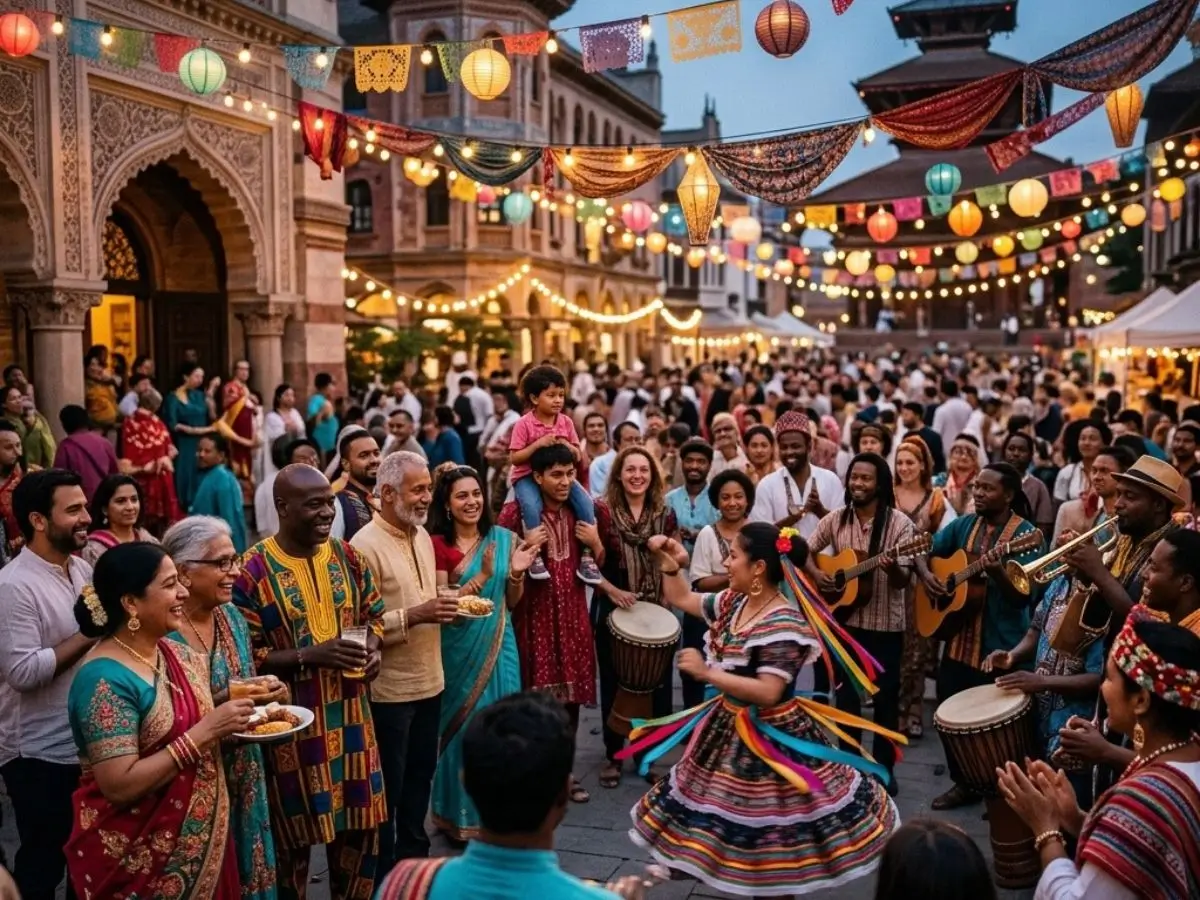
<text>Festivals offer a lively way to experience global cultures and traditions. They bring communities together through music, dancing, food, decorations, ceremonies, and shared celebrations.</text>
<text>Consider a few well known examples from around the world:</text>
- Diwali: Celebrated by many Hindus, Jains, Sikhs, and some Buddhists, Diwali is associated with themes that include light, hope, renewal, and the triumph of good over evil. Customs vary among communities.
- Lunar New Year: Celebrated in different ways across several East and Southeast Asian communities, it may involve family reunions, special meals, symbolic decorations, and wishes for prosperity.
- Nowruz: This springtime celebration marks the new year for many communities across regions including Central Asia, West Asia, and beyond. It is associated with renewal, family, and the arrival of spring.
- Carnival: Celebrations in places such as Brazil and Trinidad and Tobago are known for music, elaborate costumes, dance, and distinctive local influences.
- Day of the Dead: Observed particularly in Mexico and by Mexican communities elsewhere, this tradition honors deceased loved ones through family gatherings, offerings, photographs, and memorial displays.
Each celebration has its own history and significance. Even when festivals share similar themes, their rituals may differ considerably between regions and communities.
If you attend a cultural festival, take time to learn what it means to the people celebrating it. This makes the experience more meaningful than simply taking photographs or watching a performance.
Food That Tells a Story
Food is one of the most enjoyable ways to explore another culture. Traditional dishes often reflect a region’s climate, geography, agricultural resources, trade history, religious practices, and family traditions.
For example, rice plays an important role in many cuisines across Asia, while bread, grains, vegetables, seafood, and meat appear in different combinations around the world.
The ingredients and preparation methods vary according to local resources and historical influences.
A meal can also carry social meaning. In many communities, sharing food expresses hospitality, strengthens friendships, and brings extended families together.
Special dishes may be prepared for weddings, religious holidays, harvest celebrations, or important family milestones.
You can explore cultural food traditions in practical ways:
- Try a traditional dish from a region you want to learn about.
- Ask about the dish’s history and the occasions when people usually prepare it.
- Learn a recipe from a cookbook, a knowledgeable cook, or a reliable cultural source.
- Pay attention to regional variations instead of assuming every family prepares the same dish.
- Respect dietary restrictions and ask about ingredients when necessary.
Food can open the door to conversations about migration, family memories, identity, and cultural exchange. A single recipe may reveal stories about generations of people who prepared, adapted, and shared it.
Clothing, Art, and Cultural Identity
Traditional clothing, music, architecture, dance, and visual art offer another window into cultural identity. These forms of expression can communicate history, social roles, local craftsmanship, spiritual beliefs, and a community’s relationship with its environment.
Textiles such as Japanese kimono fabrics, Indian embroidery, West African kente cloth, and traditional Scottish tartan illustrate the extraordinary range of techniques, patterns, and meanings found across the world.
Their significance can vary according to the community, design, occasion, and individual wearer.
Music and dance also preserve cultural knowledge. Folk songs may tell stories of migration, work, love, resistance, or historical events.
Traditional instruments and performance styles can connect modern audiences with artistic practices that developed long before recorded music became widespread.
Architecture tells its own stories. From historic courtyards and intricate mosques to wooden temples and traditional village homes, buildings often reflect local materials, environmental conditions, craftsmanship, and cultural priorities.
When exploring cultural art or clothing, avoid assuming that every symbol has the same meaning everywhere.
If you are interested in wearing traditional clothing or using culturally significant designs, learn about their context and follow the guidance of the communities associated with them.
Family Values and Social Customs
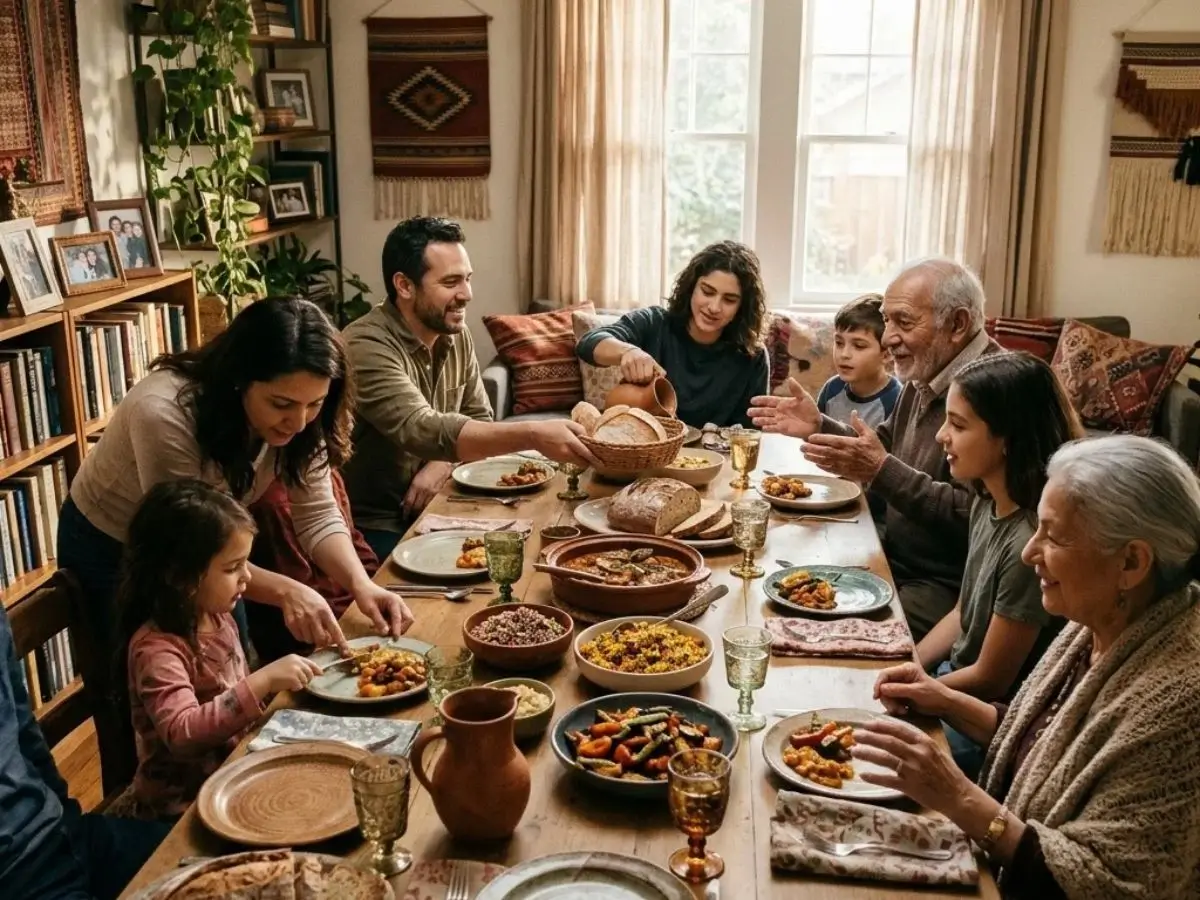
Social customs shape how people greet one another, show respect, welcome guests, celebrate milestones, and maintain relationships.
These practices can differ significantly between communities, regions, and even individual families.
In some settings, formal greetings and titles communicate respect. In others, a relaxed conversation and informal greeting may be more natural.
Similarly, expectations around punctuality, personal space, eye contact, gift giving, and hospitality can vary.
Family structures and responsibilities also differ. Some communities place strong emphasis on extended family gatherings and shared caregiving, while others place greater importance on independence and individual decision making. Neither pattern describes every person within a culture.
Religious beliefs may influence holidays, food choices, clothing, ceremonies, and daily routines. Understanding these influences can help visitors and international colleagues interact more thoughtfully.
The most useful approach is to avoid treating cultural differences as fixed rules. Instead:
- Observe how people behave in a particular setting.
- Ask polite questions when you are unsure about a custom.
- Respect personal boundaries and individual preferences.
- Avoid making assumptions based on nationality, appearance, or religion.
- Remember that people can value their heritage while also embracing different lifestyles.
Cultural awareness is not about memorizing a rule for every country. It is about listening carefully, recognizing differences, and treating people as individuals.
Explore the World with Cultural Respect
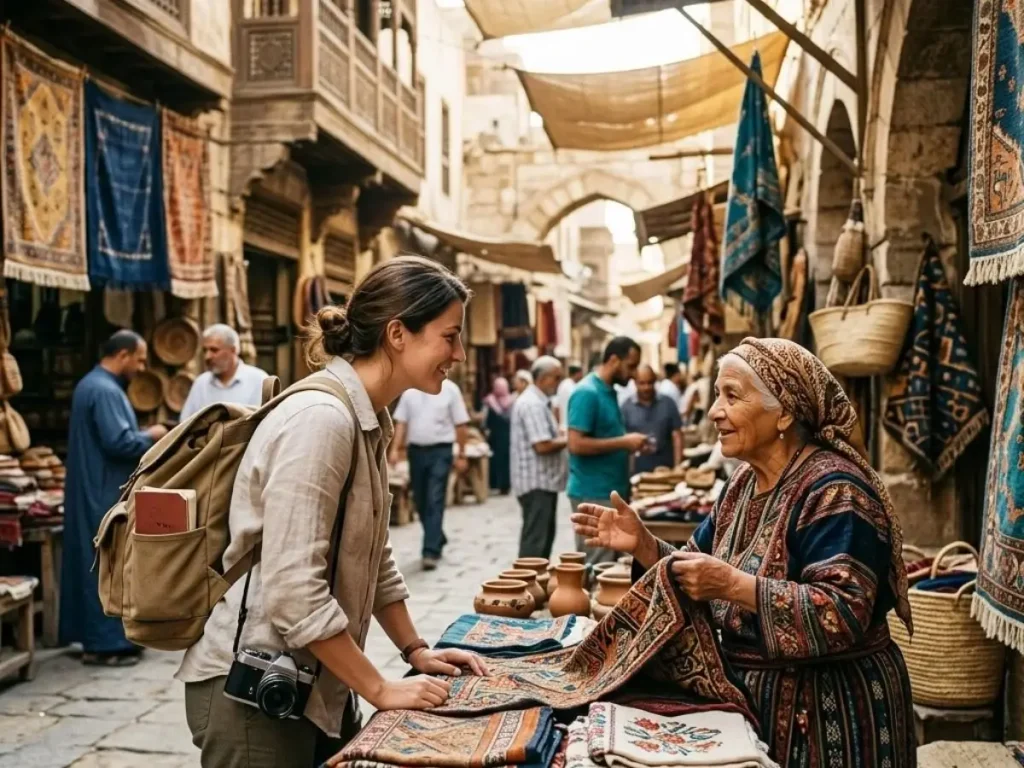
Travel can introduce you to new languages, traditions, landscapes, and ways of life. However, meaningful cultural exploration requires more than visiting famous attractions.
It involves understanding the people and communities behind the places you see.
Before visiting a destination, research its local customs, important holidays, religious sites, and photography guidelines.
A little preparation can help you avoid accidental disrespect and make your experience more rewarding.
Here are practical ways to become a more thoughtful cultural explorer:
Learn a few local phrases. Simple expressions such as hello, please, thank you, and excuse me can help create a positive connection.
Support local communities. Consider locally owned restaurants, independent guides, traditional craft businesses, and community led cultural experiences.
Ask before taking photographs. Some people, ceremonies, and religious spaces may not be appropriate to photograph. Always respect requests for privacy.
Dress appropriately. When visiting religious sites or attending traditional events, check If specific clothing expectations apply.
Listen to local perspectives. Museums, community guides, oral histories, and local cultural organizations can provide context that general travel guides may overlook.
Avoid reducing a culture to stereotypes. A country may contain many languages, ethnic communities, regional traditions, and contrasting lifestyles.
You do not need to travel internationally to learn about other cultures. Local cultural festivals, libraries, museums, international food events, documentaries, and conversations with people from different backgrounds can also provide valuable opportunities.
FAQs
What are global cultures and traditions?
Global cultures and traditions refer to the diverse ways communities express their identities, values, histories, and beliefs through language, food, clothing, celebrations, art, and social customs.
Why is learning about different cultures important?
It encourages empathy, improves communication, reduces misunderstandings, and helps people appreciate the experiences and perspectives of communities around the world.
What is the difference between culture and tradition?
Culture is the broader way of life shared by a community, including its language, values, art, beliefs, and customs. Traditions are particular practices or customs passed between generations within that culture.
How can I explore other cultures without traveling?
You can read books by local authors, visit museums, watch documentaries, learn traditional recipes, attend cultural events, study languages, and participate in respectful conversations with people from different backgrounds.
How can I respect a culture that is unfamiliar to me?
Approach it with curiosity rather than judgment. Research relevant customs, ask questions politely, respect personal boundaries, and avoid treating one person’s experience as representative of an entire community.
Do cultural traditions change over time?
Yes. Traditions can evolve through migration, technology, changing social values, and contact with other communities.
People often adapt older practices while preserving the meanings that matter to them.
Conclusion
Exploring global cultures traditions helps us understand the remarkable variety of ways people live, celebrate, create, and connect.
From family recipes and traditional clothing to festivals, music, and social customs, each cultural practice can reveal something about the experiences and values that shape a community.
The most rewarding cultural discoveries begin with curiosity and respect. By learning from reliable sources, listening to local voices, and remaining open to different perspectives, we can appreciate cultural diversity without relying on stereotypes.
You do not have to travel far to begin. Choose a tradition, a dish, a festival, or an art form that interests you, and take time to discover the story behind it.
Every meaningful discovery can help make our shared world feel a little more connected.
Discover More Post
- Mindfulness and Fitness: Find Your Balance
- Technology and Social Interactions: A New Way to Connect
- Morning Routine: Win Your Day Early

I’m Noah Richardson, a writer and fact finder who enjoys investigating topics from different angles. I’m especially interested in the details people often overlook and the surprising information hidden inside familiar subjects. My work at Factopea is about making those discoveries accessible through straightforward, engaging writing. I take pride in researching each topic carefully and presenting the information in a way that respects the reader’s time and curiosity.
Books: The Fact Finder’s Handbook and More Than Meets the Eye