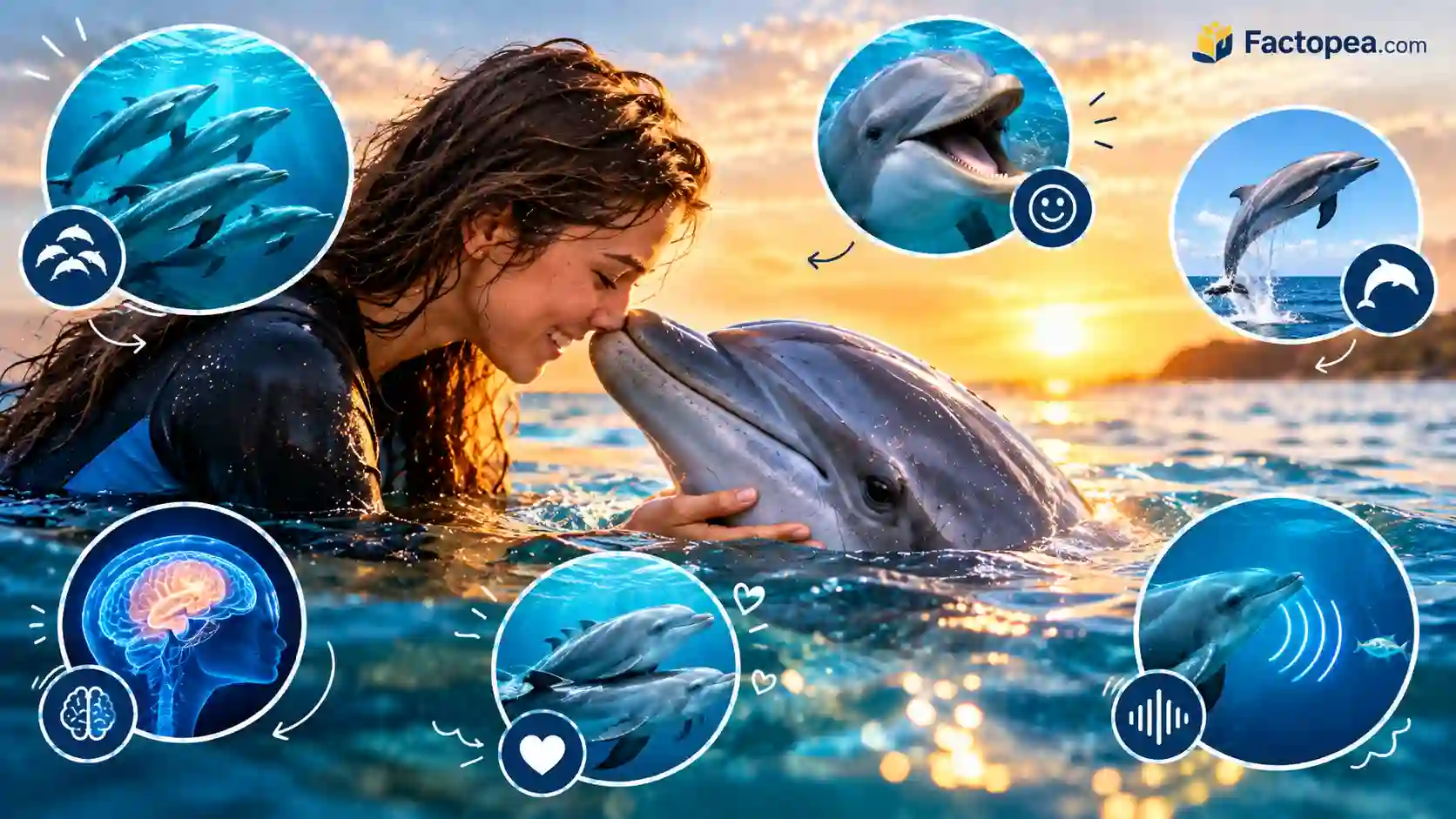

Dolphins have fascinated humans for thousands of years with their intelligence, playful behavior, and remarkable social lives. Whether you spot them leaping alongside a boat or watch them in documentaries, these marine mammals seem to possess a unique blend of curiosity and intelligence that sets them apart from many other ocean creatures.
Learning interesting facts about dolphins is more than just satisfying curiosity. These animals play an essential role in healthy marine ecosystems, inspire scientific research, and remind us why protecting the world’s oceans matters. From their sophisticated communication to their incredible problem-solving skills, dolphins continue to surprise scientists with new discoveries every year.
This guide explores their history, biology, behavior, and exactly 20 fascinating facts that reveal why dolphins are among the most extraordinary animals on Earth.
Quick Facts About Dolphins
| Feature | Details |
| Common Name | Dolphin |
| Scientific Family | Delphinidae (Oceanic Dolphins) |
| Animal Type | Marine Mammal |
| Habitat | Oceans worldwide; some species live in rivers |
| Number of Species | Around 40+ recognized species |
| Average Lifespan | 20–60 years depending on species |
| Diet | Fish, squid, crustaceans |
| Top Speed | Up to 35 mph (56 km/h) |
| Largest Species | Orca (Killer Whale), technically the largest dolphin |
| Smallest Species | Māui Dolphin |
| Predators | Sharks, orcas, humans (through fishing activities) |
| Conservation Status | Varies from Least Concern to Critically Endangered |
Background and Overview
Dolphins belong to the order Cetacea, making them close relatives of whales and porpoises. Unlike fish, they breathe air through a blowhole located on top of their heads, give birth to live young, and nurse their calves with milk.
Most dolphins live in saltwater oceans, although several species, including the famous Amazon river dolphin, have adapted to freshwater environments. They can be found in tropical, temperate, and even colder waters across nearly every ocean on Earth.
Scientists consider dolphins among the most intelligent animals because of their advanced communication, teamwork, memory, and ability to solve complex problems.
History and Human Connection
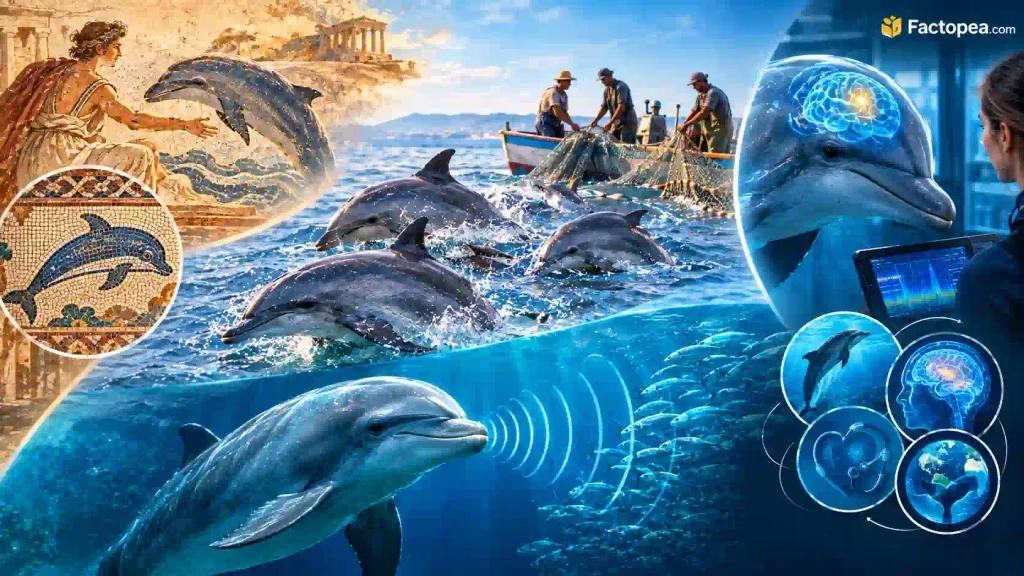
Ancient civilizations admired dolphins long before modern science began studying them. Greek mythology often portrayed dolphins as protectors of sailors, while Roman mosaics featured them as symbols of good fortune.
Over the centuries, fishermen observed dolphins working together to herd fish. In some parts of the world, dolphins even cooperated with human fishermen by driving schools of fish toward their nets a rare example of natural cooperation between wild animals and humans.
Scientific interest in dolphins expanded dramatically during the 20th century. Researchers discovered their remarkable echolocation abilities, complex vocalizations, and impressive learning capacity. Today, dolphins are studied to better understand intelligence, communication, marine ecology, and even medical applications inspired by their biology.
20 Interesting Facts About Dolphins
1. Dolphins Have Their Own Names
Each dolphin develops a unique signature whistle that functions much like a personal name. Other dolphins recognize and respond specifically to these whistles, even after years of separation. This ability demonstrates long-term memory and sophisticated communication rarely seen outside humans.
2. They Can Recognize Themselves in Mirrors
Mirror self-recognition is considered a sign of advanced intelligence. Dolphins can identify themselves rather than treating their reflection as another animal. Only a handful of species including great apes, elephants, and some birds have demonstrated this ability.
3. Dolphins Sleep With Half Their Brain Awake
Unlike humans, dolphins cannot completely fall asleep because they must continue surfacing to breathe. One half of the brain rests while the other remains alert, allowing them to stay alive and aware of nearby predators.
4. Echolocation Works Like Natural Sonar
Dolphins produce clicking sounds that bounce off nearby objects. By interpreting returning echoes, they can determine an object’s size, shape, distance, and even internal structure. This remarkable system helps them hunt effectively in dark or murky water.
5. Dolphins Form Lifelong Friendships
Many dolphin communities consist of long-lasting social bonds. Some individuals spend decades together, cooperating during hunting, protecting one another, and helping care for young calves. These relationships resemble strong social networks found in humans.
6. They Can Reach Speeds of Over 35 Miles Per Hour
Streamlined bodies, powerful tails, and efficient swimming techniques allow dolphins to move through water at impressive speeds. Fast swimming helps them catch prey, avoid predators, and travel long distances.
7. Every Dolphin Species Looks Different
Although people often picture the common bottlenose dolphin, more than forty dolphin species exist worldwide. They vary dramatically in size, color, habitat, and behavior, from tiny river dolphins to massive orcas.
8. Orcas Are Actually Dolphins
Despite their common name, killer whales belong to the dolphin family. Orcas are the largest members of Delphinidae and possess highly organized family groups, advanced hunting strategies, and unique vocal dialects.
9. Dolphins Use Tools
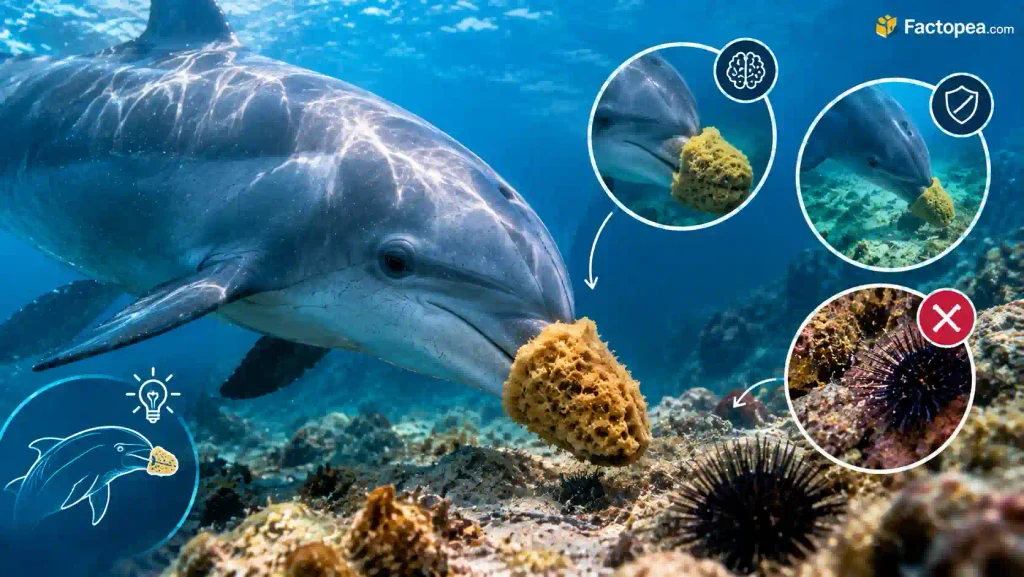
Scientists have observed bottlenose dolphins placing sea sponges over their snouts while searching the ocean floor. This protects their sensitive noses from sharp rocks and spiny marine animals, making dolphins one of the few wild animals known to use tools regularly.
10. They Teach Their Young for Years
Mother dolphins care for their calves for several years, teaching them how to hunt, communicate, avoid danger, and interact socially. This extended learning period contributes to the species’ remarkable intelligence.
11. Dolphins Can Leap More Than 20 Feet Above Water
Their spectacular jumps are not merely playful. Leaping helps reduce swimming resistance, improves visibility above the surface, aids communication, and may help remove parasites from their skin.
12. Dolphins Have Exceptional Hearing
A dolphin’s hearing is far more sensitive than that of humans. They can detect high-frequency sounds over considerable distances, allowing them to communicate and locate prey with incredible precision.
13. Some Dolphins Live in Rivers
While most species inhabit oceans, river dolphins thrive in freshwater environments. Species such as the Amazon river dolphin have adapted to muddy rivers where echolocation is essential for navigation.
14. Dolphins Display Acts of Kindness
Numerous documented observations describe dolphins supporting injured pod members, protecting calves, and occasionally assisting stranded swimmers. While these behaviors may have biological explanations, they demonstrate remarkable social awareness.
15. Their Brains Are Highly Developed
Dolphins possess one of the highest brain-to-body ratios among animals. Their brains contain well-developed areas associated with learning, communication, memory, and social interaction, making them leading subjects in intelligence research.
16. Dolphins Have Regional “Dialects”
Pods living in different areas often develop distinct vocal patterns. These local “dialects” allow scientists to distinguish populations and suggest that dolphin communication includes learned cultural elements.
17. They Can Hold Their Breath for Several Minutes
Most dolphins stay underwater between 8 and 15 minutes, although some species can remain submerged even longer when necessary. Efficient oxygen storage enables them to dive deeply while searching for food.
18. Dolphins Rarely Drink Seawater
Instead of drinking salty ocean water, dolphins obtain most of their hydration from the fish and squid they consume. Their kidneys are also highly efficient at processing excess salt.
19. Every Dolphin Pod Has Its Own Social Structure
Some pods contain only a few members, while others consist of hundreds or even thousands of dolphins. Leadership, cooperation, and group organization vary depending on species, habitat, and food availability.
20. Dolphins Help Scientists Understand Human Intelligence
Researchers study dolphin communication, learning, and problem-solving to gain insights into the evolution of intelligence, language, and social behavior. Their cognitive abilities continue to inspire advances in biology, neuroscience, and conservation science.
Dolphin Behavior and Social Life
Dolphins are highly social animals that typically live in groups known as pods. These pods provide protection from predators, improve hunting success, and strengthen social relationships.
Communication includes whistles, clicks, body movements, tail slaps, and even gentle physical contact. Dolphins cooperate while hunting by surrounding schools of fish and taking turns feeding. Such teamwork reflects a level of coordination rarely seen among marine animals.
Young dolphins learn by observing experienced adults, much like children learn from parents. This cultural transmission helps preserve successful hunting techniques and communication patterns across generations.
Habitat and Distribution
Dolphins inhabit nearly every ocean on Earth, from warm tropical seas to cooler temperate waters. Coastal dolphins often remain close to shore, while offshore species spend much of their lives in the open ocean.
Several freshwater species inhabit major rivers, including the Amazon, Ganges, and Indus river systems. River dolphins have evolved unique physical features suited to navigating narrow waterways and murky conditions.
Healthy oceans with abundant fish populations are essential for dolphin survival. Pollution, habitat degradation, and climate change increasingly threaten many populations worldwide.
Importance of Dolphins in Marine Ecosystems
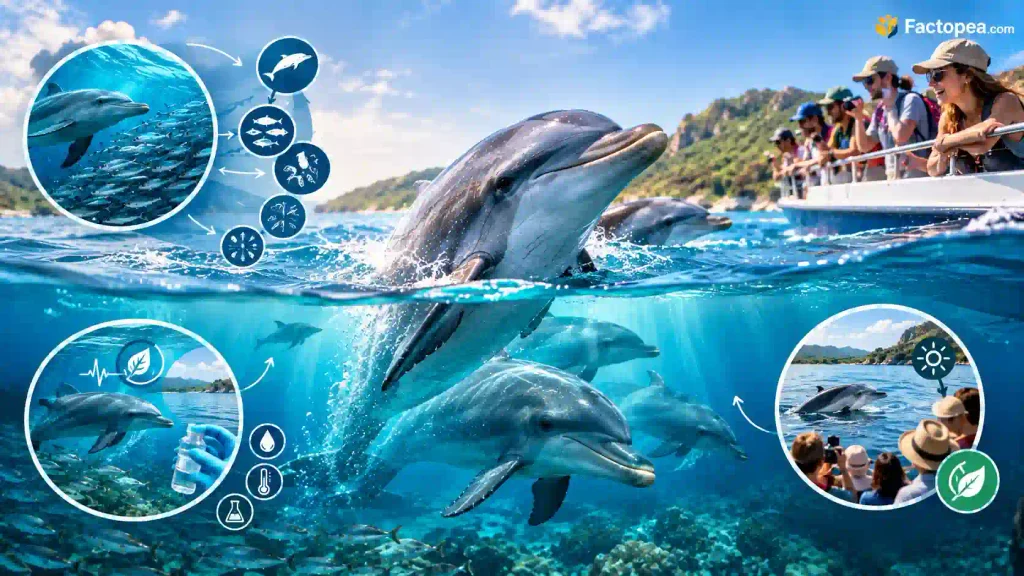
Dolphins occupy an important position in marine food webs. As predators, they help regulate fish populations and contribute to balanced ecosystems.
Because dolphins are sensitive to pollution and environmental changes, scientists often consider them indicator species. A healthy dolphin population usually reflects a healthy marine environment.
Dolphins also contribute significantly to marine tourism. Responsible wildlife watching supports local economies while encouraging conservation awareness among visitors.
Conservation Challenges
Despite their popularity, many dolphin species face growing threats.
Major conservation challenges include:
- Accidental capture in fishing nets
- Plastic pollution
- Ocean noise from ships
- Climate change
- Chemical contamination
- Habitat destruction
- Illegal hunting in some regions
International conservation programs focus on reducing bycatch, protecting habitats, limiting marine pollution, and educating communities about sustainable ocean practices.
Frequently Asked Questions
Are dolphins fish or mammals?
Dolphins are mammals. They breathe air, give birth to live young, produce milk, and maintain warm body temperatures.
What is the smartest dolphin species?
The bottlenose dolphin is widely regarded as one of the smartest dolphin species because of its advanced learning ability, communication skills, and problem-solving behavior.
How many dolphin species exist?
Scientists recognize more than 40 species of dolphins worldwide, including both oceanic and freshwater species.
Why do dolphins jump out of the water?
Dolphins leap for several reasons, including communication, play, reducing swimming resistance, spotting prey, and removing parasites.
Can dolphins recognize humans?
Research suggests dolphins can distinguish individual humans through visual and auditory cues, especially after repeated interactions.
Do dolphins have emotions?
Scientific evidence indicates dolphins experience complex social behaviors associated with emotions such as playfulness, bonding, stress, and caregiving, although their experiences cannot be measured exactly like human emotions.
How long do dolphins usually live?
Depending on the species, dolphins typically live between 20 and 60 years, with some individuals living even longer under favorable conditions.
Conclusion
The more scientists study dolphins, the more extraordinary these marine mammals become. Their intelligence, communication skills, teamwork, and adaptability continue to reshape our understanding of animal cognition. Beyond being entertaining ocean animals, dolphins are essential members of healthy marine ecosystems and valuable indicators of ocean health.
These interesting facts about dolphins reveal why they have inspired myths, scientific discoveries, and conservation efforts across generations. Protecting dolphins also means protecting the oceans they call homeensuring future generations can continue to admire these remarkable creatures in the wild.

I’m Noah Richardson, a writer and fact finder who enjoys investigating topics from different angles. I’m especially interested in the details people often overlook and the surprising information hidden inside familiar subjects. My work at Factopea is about making those discoveries accessible through straightforward, engaging writing. I take pride in researching each topic carefully and presenting the information in a way that respects the reader’s time and curiosity.
Books: The Fact Finder’s Handbook and More Than Meets the Eye